
Lahsen
A passionate explorer weaving tales of the majestic landscapes and cultural treasures nestled within the rugged beauty of Morocco’s Dades Gorges.
The Ancient Beginnings
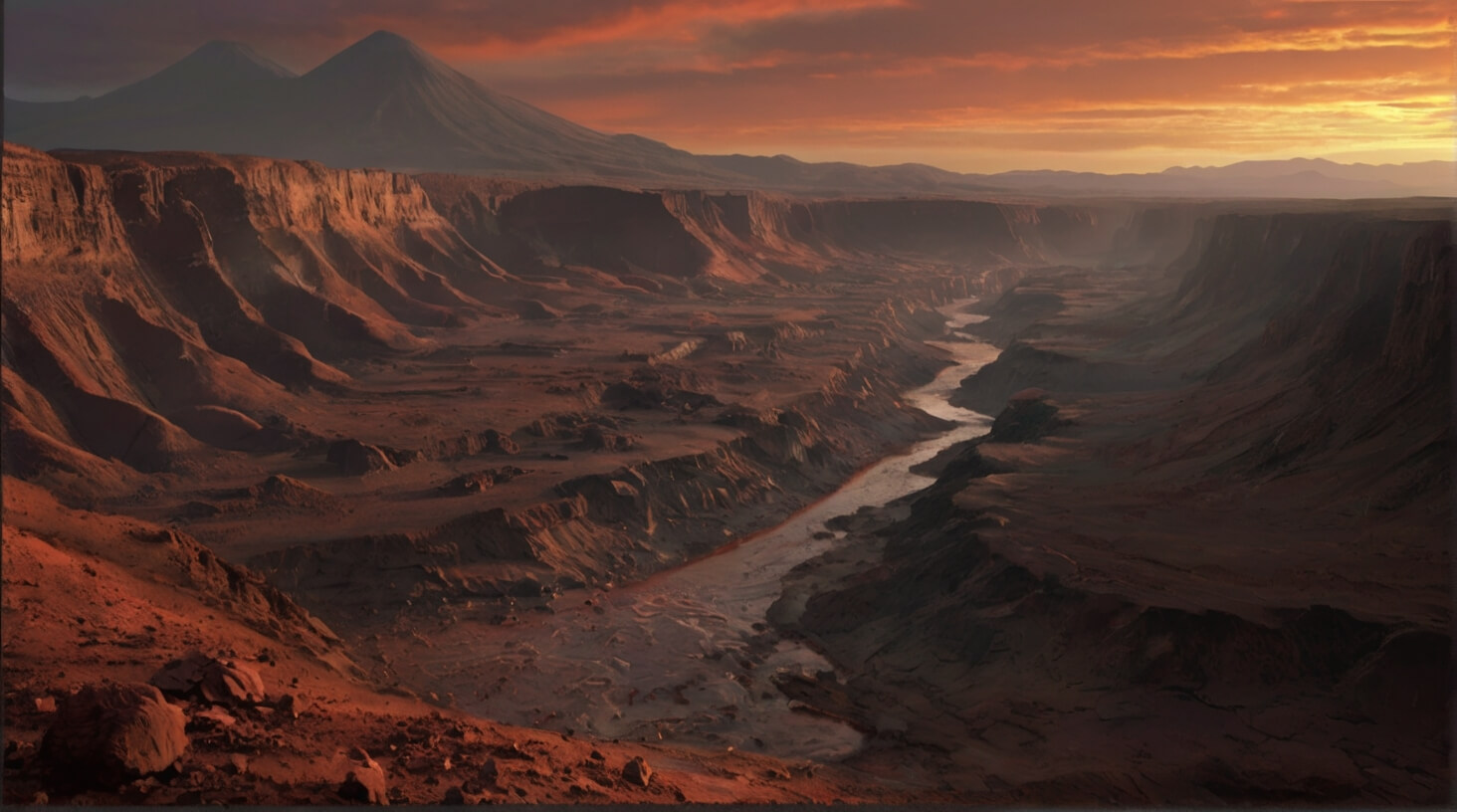
The Dades Gorges stand as a testament to nature’s patience and fury, where eons of serene sedimentation meet the violence of tectonic shifts. You’ll find the process of their creation fascinating, from the delicate layers of sediment that tell a story millions of years old, to the sudden movements of the Earth’s crust that thrust the Atlas Mountains skyward. Water, too, plays its part, carving through rock with a persistence that shapes the gorges into the breathtaking landscapes we see today. What’s more, understanding how these features came to be offers a glimpse into the Earth’s past and hints at the forces still at play beneath our feet.
The formation of Dades Gorges began millions of years ago, initiated by the relentless forces of nature that sculpted its breathtaking landscape. You’re delving into a realm where volcanic activity and fossil records play a pivotal role in understanding the ancient beginnings of this geological marvel. It’s crucial to grasp how these elements contributed to the gorges’ formation, offering a glimpse into the Earth’s dynamic processes.
Volcanic activity, a fundamental force in shaping the Earth’s surface, significantly influenced the Dades Gorges’ early development. As you explore this aspect, consider how volcanic eruptions spewed molten rock and ash, layering the nascent landscape. This activity didn’t just alter the terrain; it laid the groundwork for the complex geological features you marvel at today. The cooling and solidification of lava flows contributed to the rugged, varied topography characteristic of the area.
Fossil records embedded within the gorges’ strata provide another layer of insight. These remnants of ancient life are not mere relics; they’re keys to unlocking the environmental conditions that prevailed during different geological epochs. By analyzing these fossils, you gain an understanding of the climate, flora, and fauna that once thrived in the region. This evidence also indicates periods of significant environmental change, further shaping the landscape into its current form.
In dissecting the ancient beginnings of Dades Gorges, you’re tapping into the essence of its creation. Volcanic activity and fossil records are not just chapters in a geological narrative. They’re testaments to the dynamic, ever-evolving nature of the planet, offering you a path to comprehend the forces that forged this magnificent gorge.
Sedimentation and Layers

Moving forward in our exploration of Dades Gorges, it’s essential to understand how sedimentation and the formation of distinct layers played a crucial role in sculpting its current landscape. The process of sedimentation, which involves the accumulation and compaction of mineral and organic particles, has over millennia, created the vivid stratification visible in the gorges today.
Chemical weathering, a key element in this process, breaks down rocks into smaller particles, which are then transported by water, wind, and gravity. This weathering not only diversifies the landscape’s textures but also enriches it with minerals that support a unique ecosystem. Organic deposition, on the other hand, refers to the accumulation of plant and animal remains, which contributes to the richness of the soil and forms coal and oil deposits over geological timescales.
To give you a clearer picture, let’s delve into the types of sedimentary layers commonly found in Dades Gorges:
| Layer Type | Characteristics |
| Sandstone | Porous, allows water flow, forms from sand particles |
| Shale | Fine-grained, splits easily, forms from clay particles |
| Limestone | Forms in warm, shallow waters, rich in fossils |
| Conglomerate | Composed of rounded pebbles and cemented together |
Each layer tells a story of environmental conditions, climate changes, and biological activity over millions of years. Understanding these layers helps in deciphering the gorge’s geological history, showcasing a timeline of Earth’s past environments and the forces that molded them. This intricate interplay of sedimentation, chemical weathering, and organic deposition underscores the dynamic nature of our planet’s surface, offering insights into the processes that have shaped not only Dades Gorges but also the broader geological landscape.
Tectonic Plates Movement
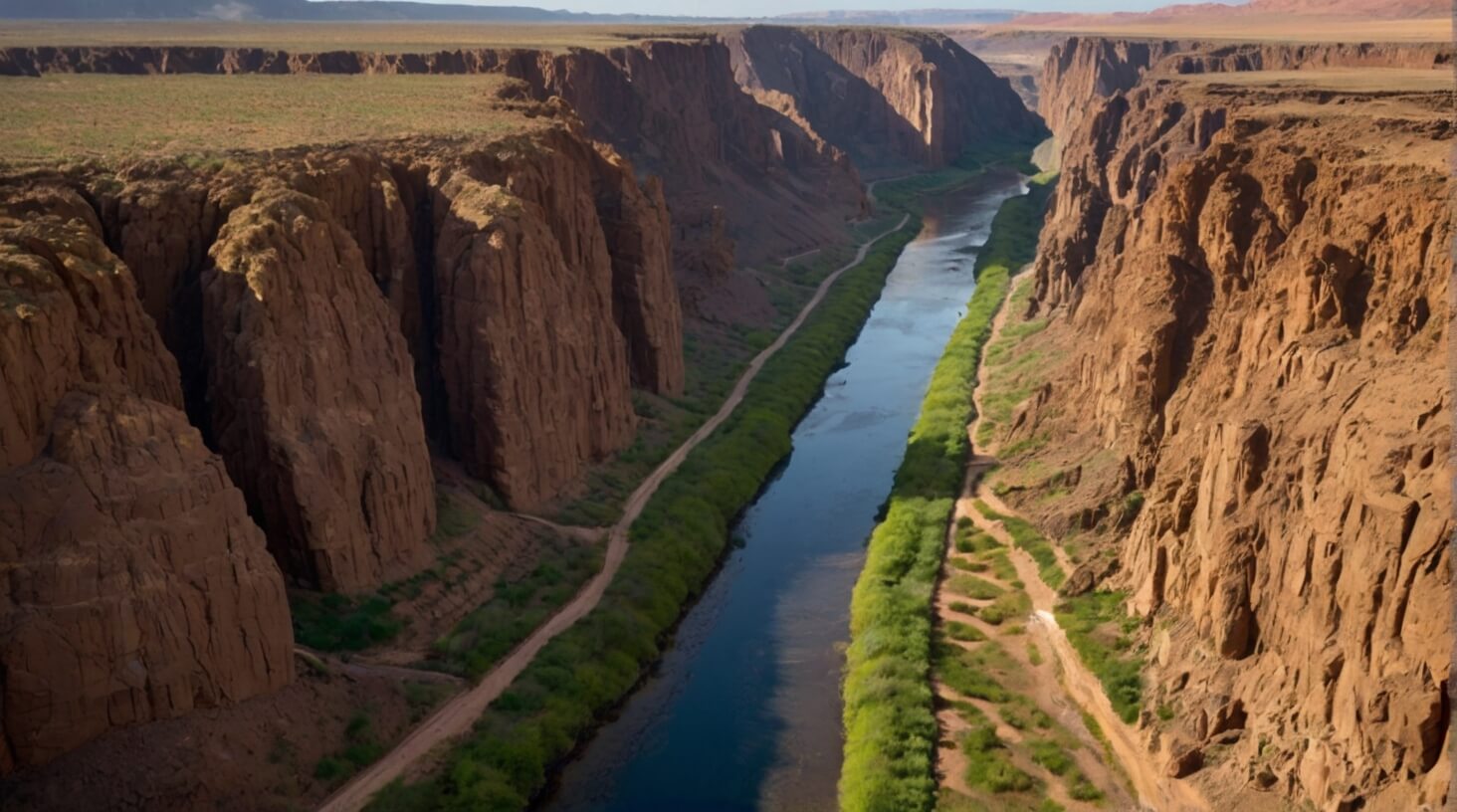
While sedimentation and layer formation have laid the foundation of Dades Gorges’ landscape, it’s the movement of tectonic plates that has sculpted its dramatic topography. This process, driven by the Earth’s internal energy, involves the shifting, colliding, and sliding of massive slabs of the Earth’s lithosphere. It’s a fundamental force in shaping geological features worldwide, including the remarkable gorges you’re exploring.
To understand the role of tectonic plates in the formation of Dades Gorges, consider the oceanic crust’s involvement. This thinner, denser type of crust is constantly created and destroyed at the boundaries of tectonic plates. Its interaction with the continental crust, particularly through the process of subduction, where the oceanic crust is forced under the continental crust, is crucial. This not only leads to volcanic activity but also contributes to the formation of mountains and gorges as the crust is compressed and uplifted.
The volcanic activity associated with these tectonic movements has played a significant role in the geological history of the Dades Gorges area. As magma rises through the cracks created by moving plates, it cools and solidifies, adding new layers of rock to the landscape. Over time, these processes have contributed to the elevation changes and the sculpting of the valley’s intricate formations.
In essence, the movement of tectonic plates underpins the dramatic and varied landscape of Dades Gorges. It’s a testament to the dynamic nature of Earth’s geology, showcasing how the forces beneath our feet can shape the world above in profound ways.
The Rise of the Atlas Mountains
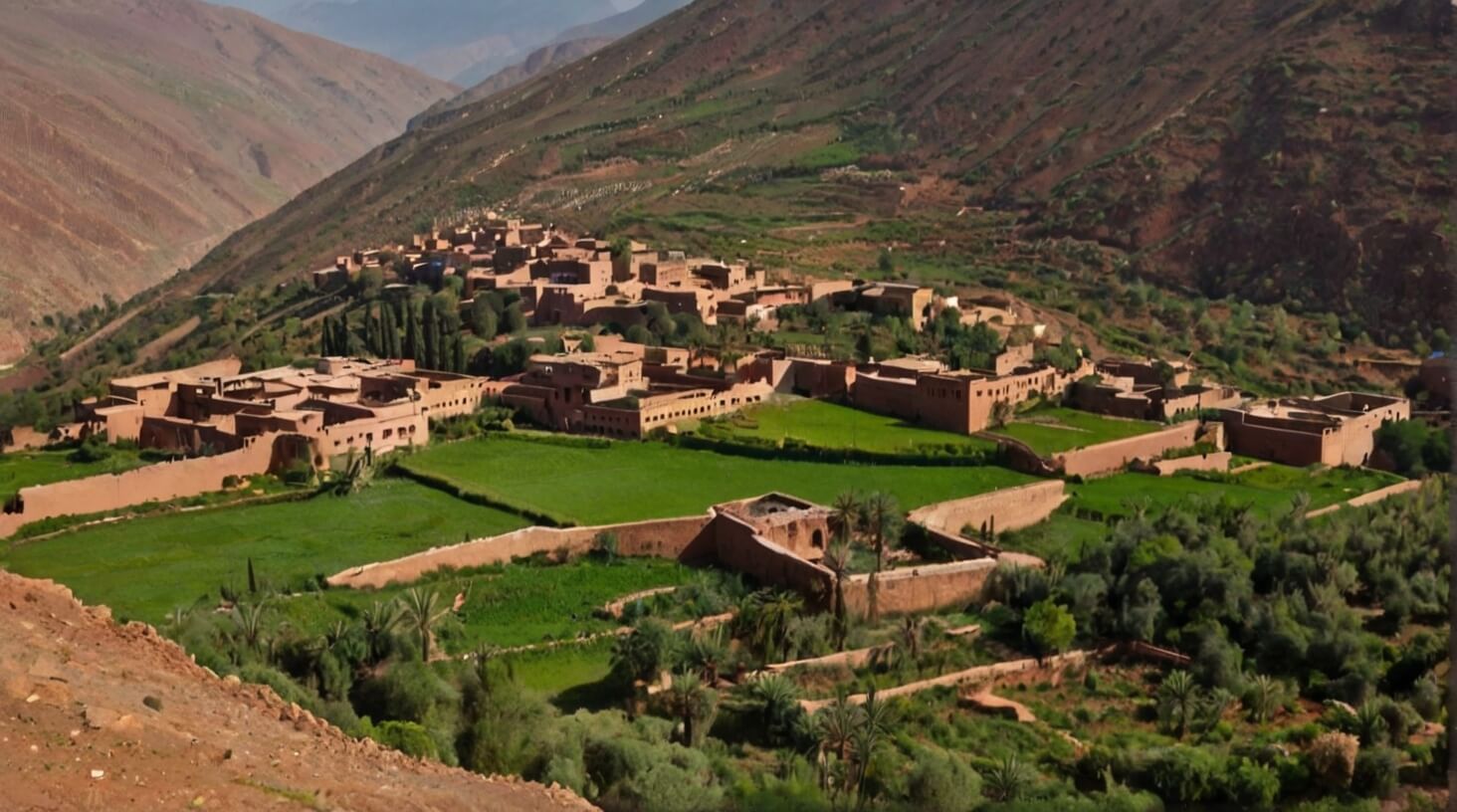
You must understand that the formation of the Atlas Mountains is closely tied to the movements of tectonic plates. This process, coupled with erosion and sedimentation, has sculpted the landscape over millions of years. Furthermore, climate changes have played a significant role in shaping the region’s geological features.
Tectonic Plate Movements
The rise of the Atlas Mountains stems from the tectonic plate movements beneath the Earth’s surface, specifically the collision between the African and Eurasian plates. This monumental geological event initiated tens of millions of years ago, significantly reshaping the landscape. The immense pressure and friction generated by this collision led to widespread volcanic activity, contributing to the mountain range’s elevation. Moreover, magnetic anomalies detected in the region provide evidence of such tectonic activities, offering clues to the timing and intensity of these movements.
Understanding these tectonic processes is essential for grasping how the Atlas Mountains came to be. The interplay between the moving plates not only elevated the landscape but also set the stage for the unique geological features observed in the Dades Gorges today.
Erosion and Sedimentation
Following the uplift of the Atlas Mountains, erosion and sedimentation played pivotal roles in sculpting the landscape into its present form. These processes, influenced by a variety of factors, have contributed to the unique geological features observed today.
- Chemical weathering: This process breaks down the rock material through chemical reactions, often accelerated by the presence of water, leading to significant alterations in the landscape’s composition and appearance.
- Glacier activity: During periods of colder climate, glaciers formed and moved through the mountainous terrain, carving deep valleys and shaping the land through both erosion and deposition.
- Sedimentation: As erosion breaks down rock and soil, sedimentation occurs when these materials are deposited in new locations, layering the landscape and contributing to its evolving structure.
These elements together have meticulously crafted the Dades Gorges, showcasing the power of natural forces in shaping our world.
Climate Influence
Climate patterns have significantly influenced the rise and shaping of the Atlas Mountains over millennia. Glacial influences, in particular, have played a pivotal role, sculpting the mountainous terrain through cycles of freezing and thawing. This process, known as frost weathering, has contributed to the rugged landscape you observe today.
Moreover, vegetation cover, closely tied to climate variations, has had a profound impact on soil stability and erosion rates. Dense vegetation acts as an anchor, holding soil in place and reducing erosion caused by wind and water. Conversely, periods of sparse vegetation cover have made the mountains more susceptible to erosion, shaping the valleys and gorges characteristic of the region.
Understanding these climatic influences is crucial for appreciating the complex geological history and current landscape of the Atlas Mountains.
The Role of Water Erosion
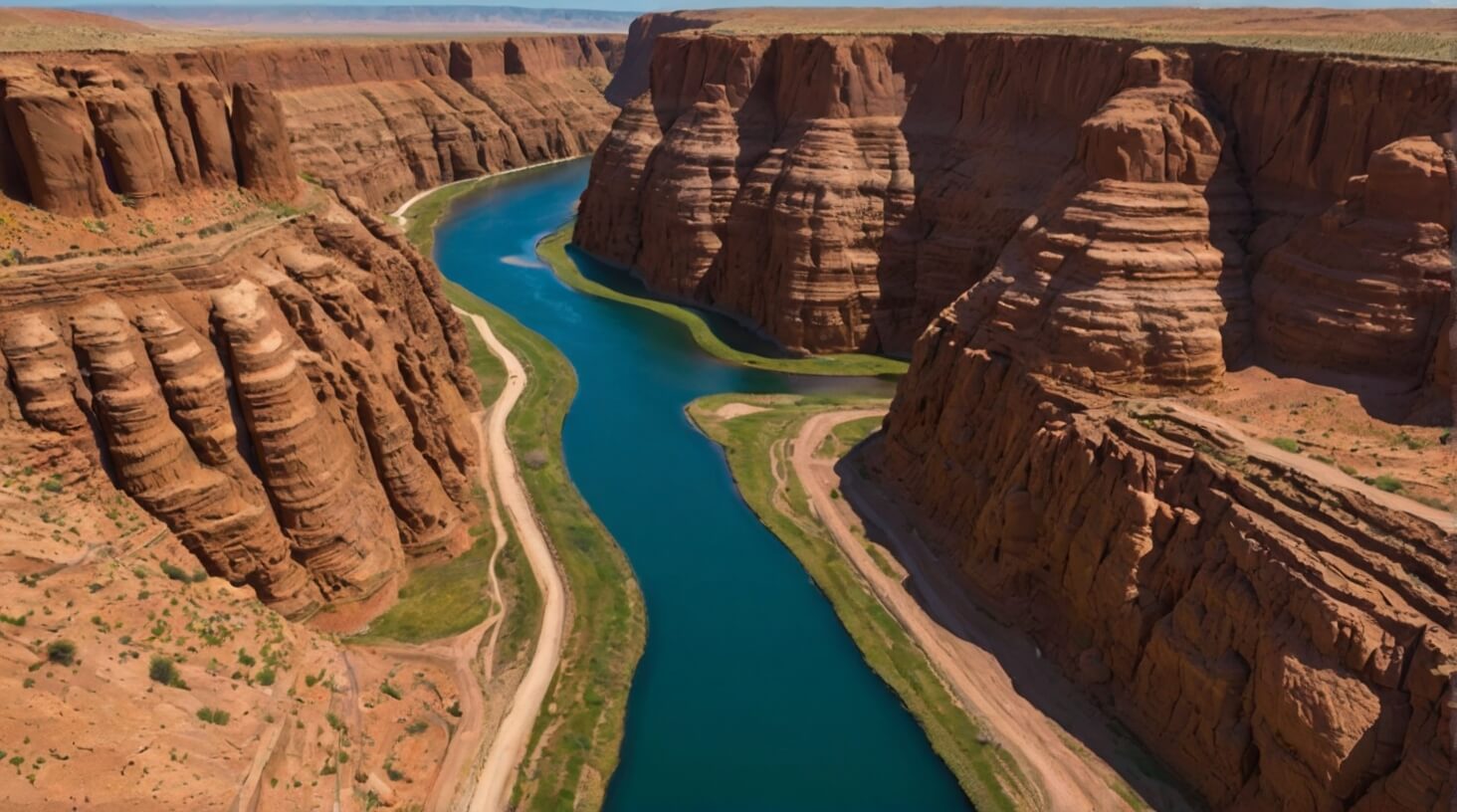
You must understand that water erosion plays a pivotal role in shaping the Dades Gorges. It’s essential to examine how water erosion mechanics, coupled with river cutting dynamics, actively sculpt the landscape, influencing the formation and alteration of sedimentary layers. This process not only carves the gorges but also impacts the distribution and composition of sedimentary layers within the region.
Water Erosion Mechanics
Water erosion plays a pivotal role in the geological formation of the Dades Gorges, sculpting the landscape through the persistent removal of sediment and rock. This process is influenced by various factors, including ice shaping and vegetation impact, which contribute significantly to the erosion mechanics.
- Ice Shaping: Freezing and thawing cycles contribute to rock disintegration, facilitating erosion.
- Vegetation Impact: Roots can weaken rock structures, while also protecting soil from erosion.
- Rainfall Intensity: Heavy rain can accelerate erosion by increasing water flow.
Understanding these mechanisms allows you to appreciate the dynamic interplay between natural elements in shaping the Dades Gorges. The landscape’s evolution is a testament to the power of water erosion, continually reshaping the earth’s surface in response to environmental conditions.
River Cutting Dynamics
Having explored how water erosion sculpts landscapes through various mechanisms, let’s now examine the specific process of river cutting dynamics and its critical role in forming the Dades Gorges.
| Factor | Impact on River Cutting | Relation to Dades Gorges |
| Water Flow Velocity | Increases erosion rate | Carves deeper into gorges |
| Glacial Shaping | Alters landscape | Forms unique gorge shapes |
| Vegetation Impact | Reduces erosion | Stabilizes gorge edges |
| Rock Type | Dictates erosion pace | Varied erosion patterns |
| Climate Change | Modifies water flow | Alters erosion intensity |
River cutting dynamics meld the relentless flow of water with the landscape’s inherent characteristics, like rock type and vegetation, to sculpt the breathtaking Dades Gorges. This process, influenced by factors such as glacial shaping, showcases the power of water erosion to transform the earth.
Sedimentary Layers Impact
How do sedimentary layers influence the process of water erosion, particularly in the formation of the Dades Gorges?
- Rock types determine erosion rates. Sedimentary rocks, with their layered composition, vary in resistance to erosion. Softer layers erode faster, creating unique landscapes.
- Fossil records within these layers offer insights into past climates and biological diversity, indirectly affecting erosion patterns by indicating periods of greater vegetation cover which can slow erosion.
- Water’s role is pivotal; it exploits weaknesses in sedimentary structures, carving through less resistant layers more quickly. This differential erosion shapes the stunning gorges.
Sedimentary layers, through their composition and the stories they tell, play a critical role in the sculpting of landscapes by water erosion, making places like the Dades Gorges a testament to the power of natural processes.
Creating the Gorges
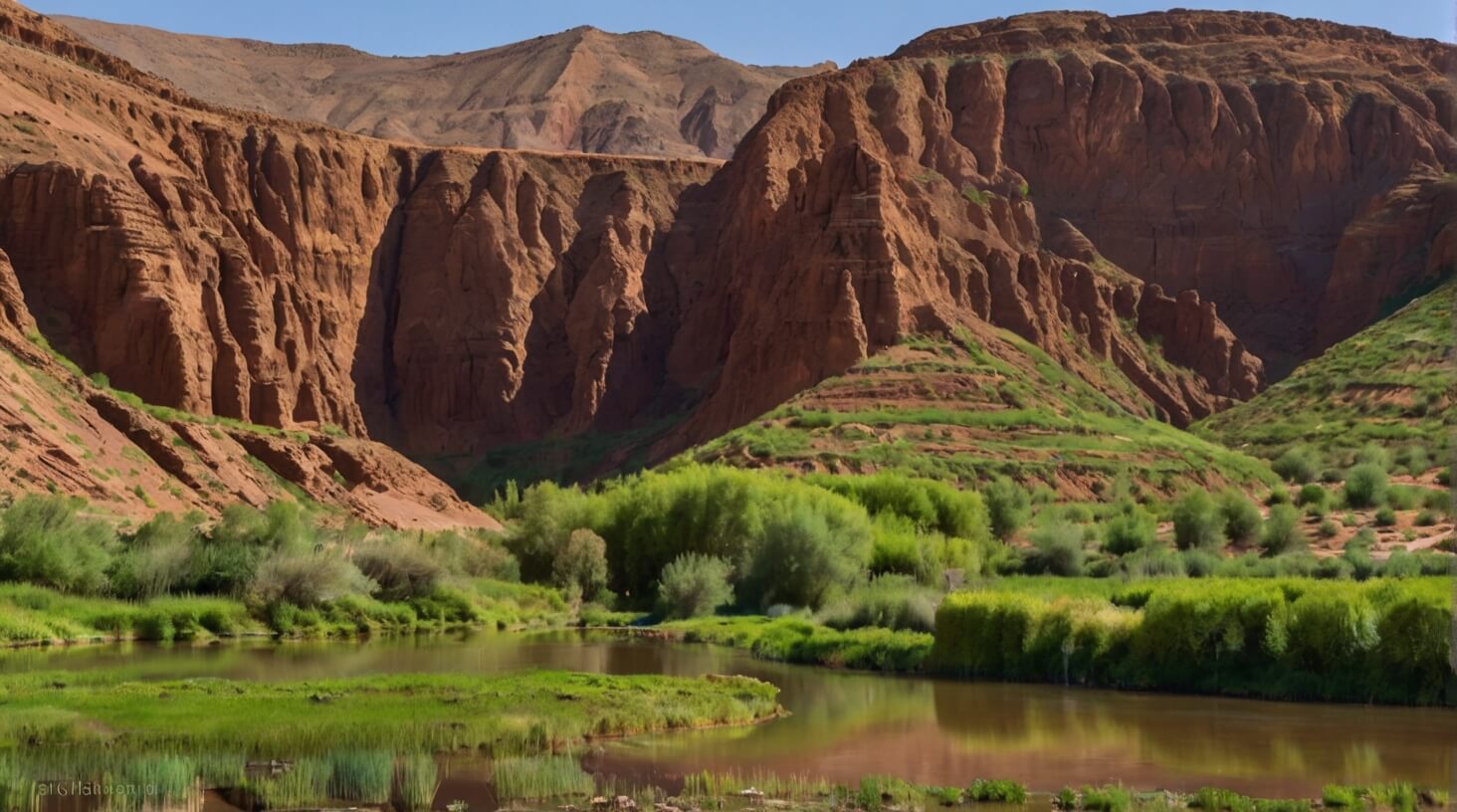
The process of creating the Dades Gorges involves the intricate interplay between erosion and tectonic activities. Over millennia, the relentless force of water has carved through the landscape, exploiting weaknesses in the sedimentary rock layers that you learned about in the previous section. However, it’s not just the water’s erosive power that’s shaped these gorges. Tectonic activities, the movement of the Earth’s plates, have lifted, bent, and fractured the rock, creating pathways for erosion to further sculpt the landscape.
Rock coloration and the impact of vegetation play significant roles in this process. The varied hues of the rocks, ranging from deep reds to soft yellows, are a testament to the mineral composition and the changes the rock has undergone over time. These colors not only add to the gorge’s visual appeal but also provide clues about the environmental conditions when those rocks were formed. Vegetation, though seemingly insignificant in such a rugged landscape, impacts erosion rates. Plant roots can stabilize soil and rock, reducing the speed at which the gorge walls wear away, yet in some areas, the lack of vegetation accelerates erosion, leading to more dramatic landscapes.
As you delve deeper into the formation of the Dades Gorges, it’s clear that the current appearance is the result of both slow, persistent forces and sudden, dramatic shifts. The balance between erosion and tectonic activity, influenced by factors like rock coloration and vegetation, has crafted a landscape that speaks to the power and patience of nature.
Present-Day Features
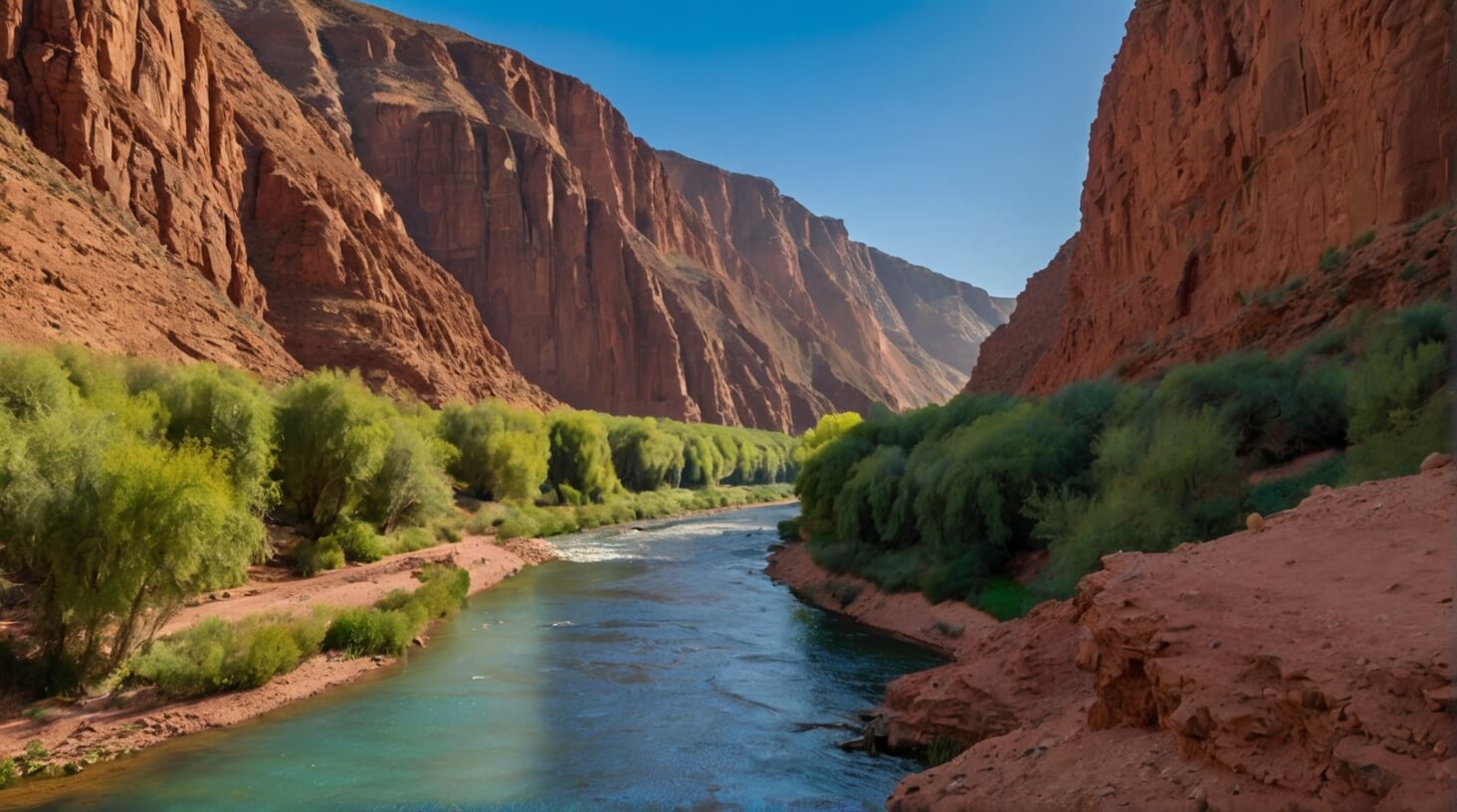
Today, Dades Gorges showcases a diverse array of geological features sculpted by centuries of natural forces. This region, with its sheer cliffs and winding canyons, is not just a testament to the earth’s dynamic processes but also a living ecosystem supporting a variety of local flora. The interplay between these geological formations and the biological diversity creates a unique environment that attracts researchers and tourists alike, albeit with differing motives and impacts.
Key present-day features of Dades Gorges include:
- Erosional Landforms: The gorges are characterized by steep-sided canyons and rock formations, shaped by the relentless force of water erosion. This process, ongoing for millions of years, has carved out dramatic landscapes that continue to evolve.
- Biological Diversity: The area’s diverse microclimates support a range of local flora, from hardy desert plants to moisture-loving species found near water sources. This botanical variety not only adds to the gorges’ beauty but also plays a crucial role in maintaining the ecological balance.
- Tourism Impact: While tourism brings economic benefits to the region, it also presents challenges. Increased foot traffic and human activity can threaten the delicate balance of the gorges’ ecosystems. Efforts are needed to manage these impacts, ensuring that the natural beauty and biodiversity of Dades Gorges are preserved for future generations.
Understanding these features is essential for anyone looking to fully appreciate the complexity and beauty of Dades Gorges. It’s a place where nature’s artistry is on full display, inviting you to explore its depths while reminding you of the importance of conservation and sustainable engagement with our planet’s wonders.
Related Articles

Comparative Geology: Dades Gorges Vs. Other Gorges
Immerse yourself in a journey comparing the unique geological wonders of Dades Gorges to other majestic gorges worldwide—discover what sets them apart.

Climate Influence on Dades Gorges Formation
A deep dive into how climate intricately sculpted Morocco's Dades Gorges, revealing nature's power to shape our world—discover the secrets within.

Dades Gorges Strata and Deposition History
Immerse in the Dades Gorges' vivid strata to uncover Earth's ancient tales, where each layer whispers secrets of time's relentless march.