
Lahsen
A passionate explorer weaving tales of the majestic landscapes and cultural treasures nestled within the rugged beauty of Morocco’s Dades Gorges.
Geological Overview

Imagine you’re standing at the edge of the Dades Gorges, observing layers of red and ochre strata that tell a story millions of years in the making. These sedimentary layers aren’t just a feast for the eyes; they’re pages in the Earth’s geological diary, detailing an intricate history of ancient rivers, vast deserts, and the colossal forces of tectonic shifts. As you ponder how these stunning formations came to be, consider the erosional processes and climatic changes that have sculpted the landscape over eons. Unraveling this story offers not just insights into the past but also raises questions about the role of human interaction and its impact on such fragile ecosystems. Why is understanding this balance critical for the future?
Nestled in the heart of Morocco, the Dades Gorges reveal a complex geological history through their stratified rock formations, dating back to the Precambrian period. As you delve into the layers of time, you’re witnessing Earth’s narrative unfold. The rock coloration and mineral composition of these stratified formations provide you with a vibrant palette, showcasing the Earth’s dynamic processes.
The stark contrasts in rock coloration are not merely aesthetic; they’re indicative of the mineral composition and environmental conditions at the time of deposition. You’ll find that the reddish layers owe their hue to the presence of iron oxides, a testament to periods of oxidation and exposure to an atmosphere rich in oxygen. Conversely, the darker strata hint at anoxic conditions, where lack of oxygen played a crucial role in preserving organic matter, thus influencing the carbon content and coloration.
The mineral composition of the Dades Gorges is equally telling. Silicates, carbonates, and sulfides narrate a history of shifting seas, volcanic activity, and evolving life. These minerals, meticulously arranged in layers, reflect the changing chemistry of the Earth’s surface and the atmosphere over eons.
Understanding the Dades Gorges’ geological framework doesn’t just educate you about the past; it empowers you to grasp the Earth’s capacity for transformation. You’re not merely a spectator but a participant in uncovering these grand narratives. The freedom to explore and analyze this geological mosaic offers you a unique perspective on the planet’s past, present, and future.
Ancient Sedimentary Processes
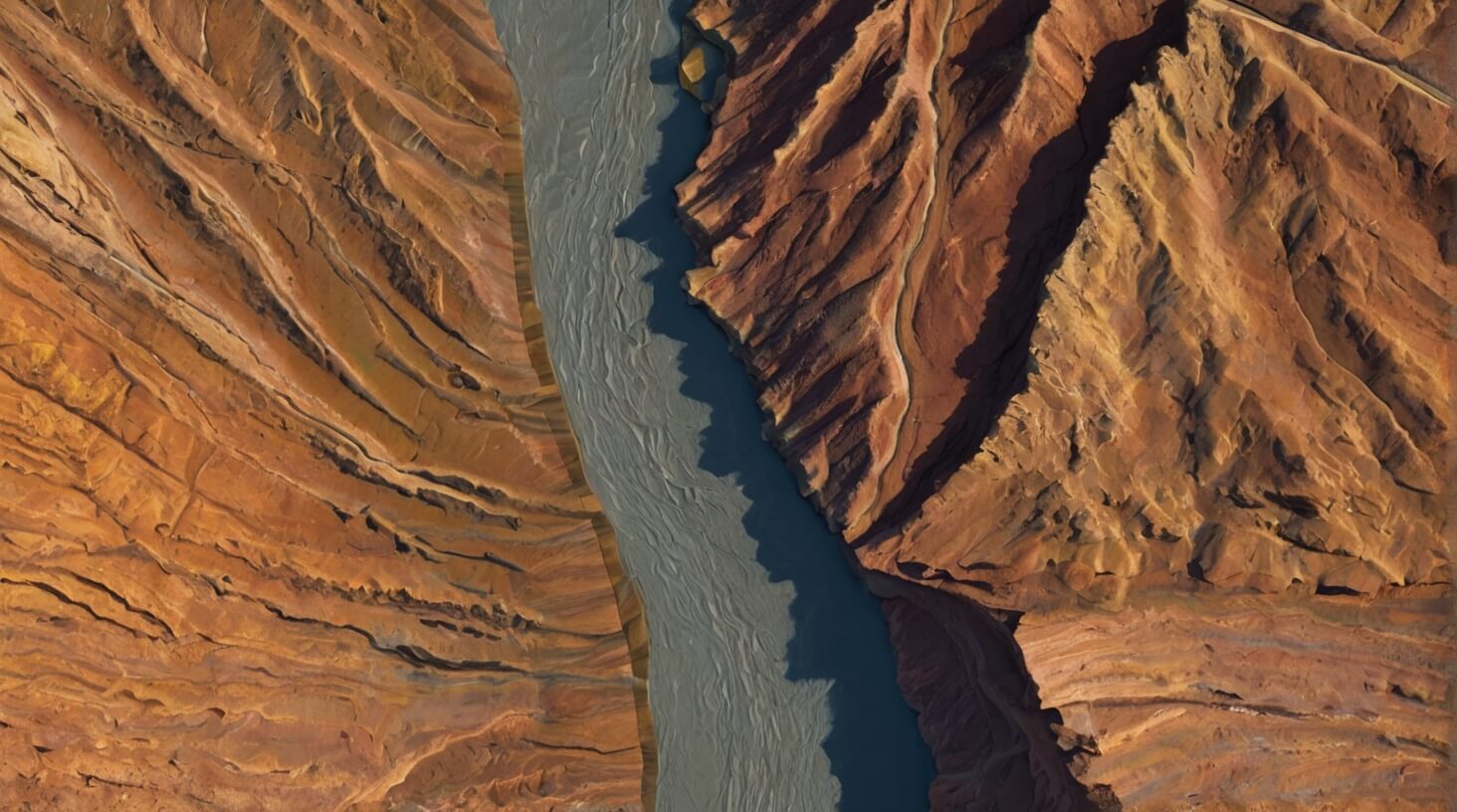
You’ll now examine the ancient sedimentary processes that shaped Dades Gorges, focusing on the mechanisms behind sediment layer formation and the impacts of erosion. By employing radiometric dating and sedimentological analysis, you can trace back the complex depositional history. This approach allows for an in-depth understanding of the environmental conditions and geological events that influenced the current landscape.
Sediment Layer Formation
Understanding the sediment layer formation within Dades Gorges requires a deep dive into the ancient sedimentary processes that occurred over millions of years. You’ll uncover how grain size and biogenic activity played pivotal roles in shaping the landscape you yearn to explore freely.
- Grain Size Variation: Sedimentation rates and depositional environments varied significantly, influencing the grain size distribution. Larger grains settled in high-energy environments, while finer materials found their resting place in calmer waters.
- Biogenic Activity: The roles of organisms in sediment deposition were crucial. Their remains contributed to the biogenic sediments, enriching the strata with organic content.
- Chemical Precipitation: Mineral-rich waters led to chemical sedimentation, layering the gorge with distinct, durable strata.
This analytical approach offers you a glimpse into the Earth’s dynamic past, providing the freedom to understand its ancient processes.
Erosion Impact Analysis
Analyzing erosion’s impact reveals how ancient sedimentary processes sculpted Dades Gorges over millennia, altering both landscape and sediment deposition. River management and vegetation cover played crucial roles in this dynamic environment. You’ll find that strategic river management, aimed at mitigating erosion, significantly influenced the sedimentary layers’ deposition rates and patterns. Vegetation cover, on the other hand, acted as a natural barrier against soil erosion, preserving the integrity of sediment layers. These factors, combined with precise dating techniques, allow us to reconstruct the Gorges’ ancient environments with remarkable accuracy. Through this analytical approach, you gain insight into how natural forces and human interventions have shaped the landscape, offering a blueprint for future conservation and management efforts that respect the freedom of natural processes.
Tectonic Forces at Work

You’ll find that plate movement dynamics play a crucial role in shaping the Dades Gorges, where the shifting of continental and oceanic plates over millions of years has led to significant geological formations. The influence of fault lines, particularly the major and minor ones, has directed the pattern of erosion and uplift processes, sculpting the landscape into its current form. Analyzing these tectonic forces provides insights into the complex interplay between geological structures and the Earth’s lithospheric movements.
Plate Movement Dynamics
Tectonic forces actively shape the Dades Gorges landscape, with plate movements dating back millions of years driving the creation and evolution of its striking strata. You’re witnessing a dynamic geological phenomenon, where the earth’s crust is continually reshaped by deep, underlying forces.
- Volcanic Activity: Eruptions contribute to the layered composition, with lava flows solidifying into rock formations that delineate epochs of geological time.
- Ocean Currents: Their interactions with plate tectonics influence sediment deposition, sculpting the gorges’ distinctive features over millennia.
- Subduction and Uplift: Plates collide and dive beneath one another, causing the uplift that forms the high ridges and deep valleys, showcasing the power of tectonic dynamics at play.
This continuous interplay of forces offers you a glimpse into the planet’s restless nature, where freedom and change are the only constants.
Fault Lines Influence
Building on our understanding of plate movement dynamics, let’s now examine how fault lines play a crucial role in sculpting the Dades Gorges through tectonic forces at work. The region’s fault lines, stemming from the African and Eurasian plate collision, have not only shaped the terrain but also induced volcanic activity. This activity has significantly altered the mineral composition of the area.
| Factor | Impact on Dades Gorges |
| Fault Lines | Sculpting of terrain |
| Volcanic Activity | Alteration in mineral composition |
| Tectonic Forces | Continuous landscape transformation |
These forces combined have crafted a unique geological identity for Dades Gorges, highlighting the power of nature’s architects. Engaging with these dynamics offers us a window into the Earth’s evolutionary processes, where freedom and constraint are in a perpetual dance.
Erosion and Uplift Processes
As we delve into the dynamics of erosion and uplift processes, it’s essential to understand how these mechanisms, driven by tectonic forces, have been pivotal in sculpting the Dades Gorges’ landscape over millennia.
- River meandering: Over extensive periods, the erosive power of water, combined with the region’s tectonic uplift, has led to the formation of pronounced meanders. These sinuous paths are a direct reflection of the river’s relentless endeavor to carve through the landscape, facilitated by the differential erosion of rock layers.
- Glacial activity: Although less pronounced in the current epoch, glacial activity during previous ice ages played a significant role in shaping the gorges. The mechanical weathering and abrasion by glaciers have contributed to the sculpting of the valley’s features, leaving behind a legacy of glacial deposits intertwined with the strata.
- Tectonic uplift: The gradual but persistent uplift of the region, a result of Africa’s northward movement into the Eurasian plate, has elevated the terrain, exposing it to the forces of erosion and thus accelerating the formation of the gorges. This uplift is a key factor in the ongoing evolution of the landscape, driving both erosion and sediment deposition processes.
Erosional Features Unveiled

Erosional processes have sculpted the Dades Gorges, revealing layers that tell a story of environmental change over millions of years. You’re looking at a natural archive, where each stratum is a page in Earth’s history, meticulously etched by the forces of nature. The discernible vegetation patterns across different elevations and exposures in the gorge directly correlate with past and present climatic conditions. These patterns serve as indicators, providing clues to the historical climate regimes that have influenced erosion rates and sediment deposition.
In analyzing the erosional features, you must appreciate the nuanced interaction between rainfall, temperature fluctuations, and vegetation cover. These factors collectively dictate the erosional dynamics, sculpting the gorge’s present form. The exposed strata reveal a sequence of sedimentary layers, each characterized by distinct mineral compositions and grain sizes, reflective of the prevailing depositional environments at the time of their formation.
The erosional features also unveil evidence of episodic flood events, marked by conglomerate bands interspersed within finer sediments. These bands represent periods of intense fluvial activity, likely driven by abrupt climatic shifts. By examining these erosional signatures, you’re piecing together the puzzle of the region’s paleoenvironmental conditions.
Furthermore, the distribution and orientation of erosional remnants, such as hoodoos and natural arches, provide insights into the differential erosion processes. These formations testify to the variable resistance of rock layers to erosive forces, influenced by their composition and the fractures that pervade them.
In essence, the erosional features of the Dades Gorges don’t just reveal the landscape’s aesthetic splendor; they unlock the secrets of Earth’s climatic and vegetative past, offering a window into the dynamic interplay between geological processes and environmental conditions.
Chronology of Strata Formation

Delving into the chronology of strata formation in Dades Gorges reveals a complex tapestry of geological events, precisely dated through analytical techniques like radiometric dating and sediment analysis. You’re embarking on a journey through time, where each layer of rock holds clues to the Earth’s past environments and the forces that shaped them. Strata dating and mineral composition become critical in unraveling this history, offering a window into the ancient world that once was.
To paint a picture for you:
- Cambrian to Ordovician Transition (around 485 to 444 million years ago): The base of the Dades Gorges stratigraphy is marked by predominantly marine sediments, rich in trilobite fossils. Radiometric dating of volcanic ash layers interbedded with these sediments provides precise age constraints. The mineral composition, including significant quantities of calcium carbonate, points to a shallow, warm sea environment.
- Devonian Period (419 to 359 million years ago): A significant shift in the mineral composition to more siliceous materials suggests a move toward more terrestrial environments. Sandstone layers with ripple marks and mud cracks, dating from this period, indicate episodes of shallow water and exposure to air.
- Permian to Triassic Transition (about 299 to 201 million years ago): This period is characterized by a dramatic change in strata composition and thickness, suggesting a major tectonic event. Precise strata dating indicates the formation of the Atlas Mountains, with the uplift exposing the Dades Gorges strata to erosion. The mineral composition during this time reflects a mix of marine and terrestrial influences, indicating a highly dynamic environment.
Understanding the chronology of strata formation in Dades Gorges not only satisfies your curiosity but also offers freedom from the constraints of time, allowing you to explore the depths of Earth’s history.
Paleoenvironmental Insights

Peeling back the layers of Dades Gorges unveils a rich tapestry of paleoenvironmental conditions, each stratum serving as a chapter in the Earth’s dynamic ecological history. You’re diving into a realm where marine transgressions and the fossil content speak volumes about the shifting landscapes and climates over millions of years.
Analyzing the strata, you encounter evidence of marine transgressions, which indicate periods when sea levels rose, submerging the land under shallow seas. These events, precisely dated through radiometric dating techniques, reveal a cyclic pattern of advances and retreats of the sea, influenced by global climatic shifts and tectonic movements. The fossil content embedded within these layers provides a direct link to understanding the biodiversity and ecological conditions of these ancient environments.
You’ll find that the fossil assemblages vary significantly across different strata, reflecting changes in the paleoenvironment. The presence of marine fossils, including shellfish, corals, and trilobites, in certain layers, suggests a rich marine ecosystem, thriving under warm, shallow waters. Conversely, layers with terrestrial plant fossils indicate periods of regression, where the land re-emerged, and flora colonized the exposed surfaces.
This nuanced understanding of the Dades Gorges’ paleoenvironmental conditions underscores the area’s sensitivity to past climatic and sea-level changes. It also highlights the importance of preserving such geological sites, where each layer of rock is a testament to the Earth’s ability to record and reveal the secrets of its own environmental history. Through this analytical lens, you’re not just observing rocks; you’re unlocking the stories of Earth’s ancient past, guided by the evidence of marine transgressions and the rich fossil content.
Human Interaction and Impact

As you explore the Dades Gorges, it becomes evident that human activities have significantly sculpted its landscape, leaving indelible marks on its geological and ecological fabric. The intertwining of natural beauty with human history in this region underscores the complex relationship between mankind and the Earth. Here’s how human interaction has shaped the Dades Gorges:
- Cultural Preservation: Indigenous communities have inhabited the Dades Gorges for millennia, developing unique cultures and traditions deeply intertwined with the natural landscape. Their ancient agricultural terraces, still in use today, showcase an advanced understanding of sustainable living and have contributed to the conservation of the area’s biodiversity. This cultural heritage, however, faces threats from modernization and climate change, necessitating urgent measures for its preservation.
- Tourism Effects: The allure of the Dades Gorges has attracted tourists from around the globe, leading to increased economic benefits for local communities. Yet, this influx poses challenges, including pollution and habitat disruption. Responsible tourism practices are essential to minimize environmental impact while maximizing cultural exchange and economic development.
- Infrastructure Development: Roads and buildings have been constructed to accommodate the growing number of visitors and enhance local living standards. While these developments have improved accessibility and provided essential services, they also risk altering the natural and cultural landscape of the Dades Gorges. Strategic planning and environmental impact assessments are critical to balance human needs with the preservation of this unique ecosystem.
Understanding the impacts of human activities is crucial for the sustainable management and conservation of the Dades Gorges, ensuring its legacy endures for generations to come.
Related Articles
Historic Religious Sites in Dades Gorges
Learn the secrets of Dades Gorges' ancient religious sites, where history and spirituality intertwine in mysterious ways.
Historical Significance of Dades Gorges
Beneath the surface of Dades Gorges lies a rich tapestry of history, trade, and culture that shaped civilizations, beckoning explorers to delve deeper.
Historic Trade Routes Through Dades Gorges
Uncover the secrets of Dades Gorges' ancient trade routes, where history and adventure intertwine, beckoning explorers to delve deeper.