
Lahsen
A passionate explorer weaving tales of the majestic landscapes and cultural treasures nestled within the rugged beauty of Morocco’s Dades Gorges.
Geological Formations and Biodiversity
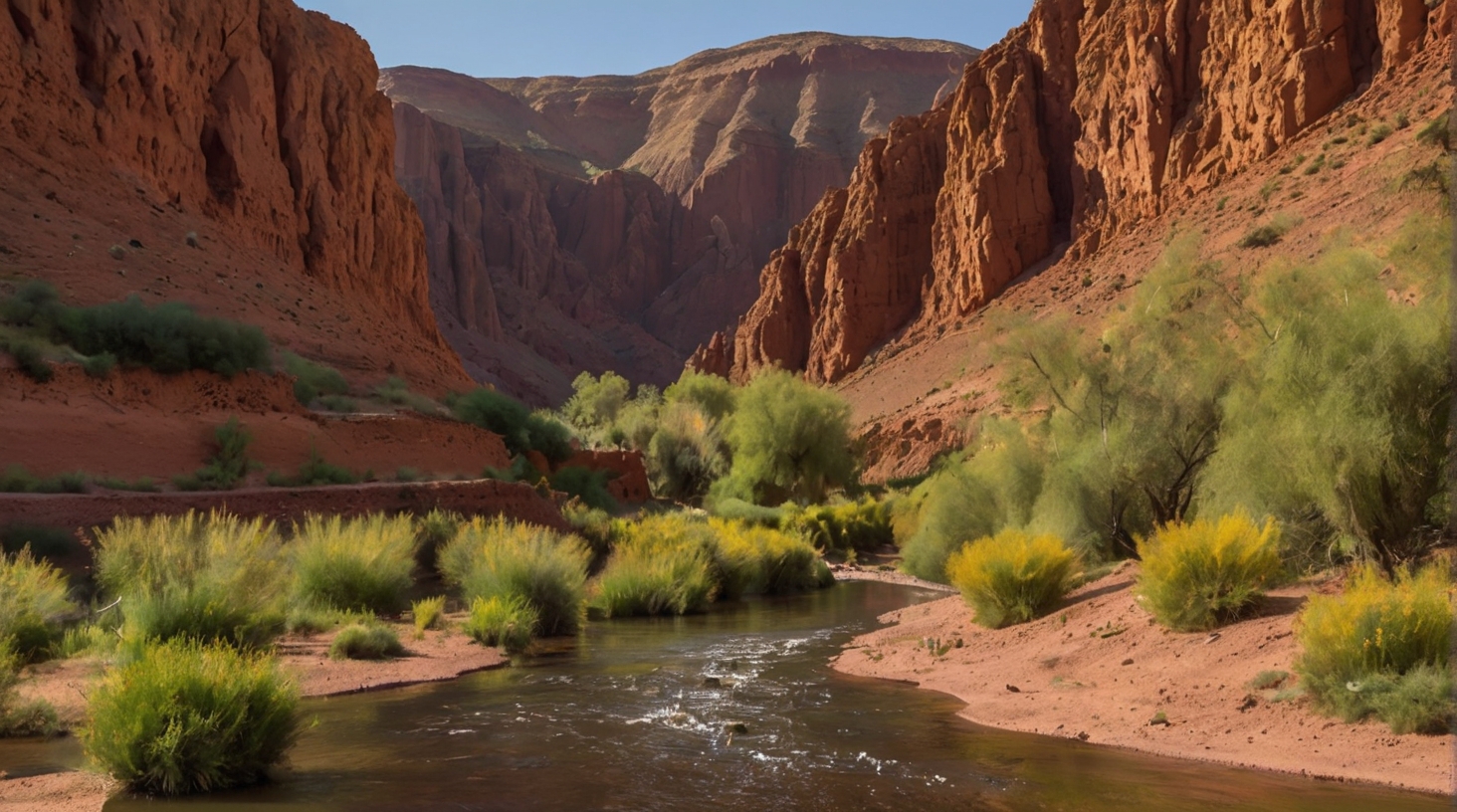
When you explore the Dades Gorges, you’re immediately struck by the striking geological formations that shape its landscapes. These ancient rocks don’t just contribute to the breathtaking views; they play a pivotal role in fostering a unique ecosystem. The interplay between the gorges’ geology and water sources creates microclimates that support a diverse array of plant and animal life, each adapted to thrive in this particular environment. But how exactly do these geological features influence the distribution of flora and fauna, and what does this mean for conservation efforts in the area? This is a question worth exploring further to understand the delicate balance of life in Dades Gorges.
The Dades Gorges, carved out over millennia by the Dades River, host a complex geological tapestry that supports a diverse array of ecosystems. You’ll find that the rock coloration here isn’t just a feast for the eyes; it’s a testament to the varied mineral compositions that speak volumes about the area’s geological past. The reds, oranges, and browns result from iron oxides, while greens hint at copper compounds. This palette not only shapes the visual splendor of the gorges but also influences the distribution of plant life, as different species adapt to and thrive in specific mineral environments.
Delving deeper, the fossil records embedded within these rocks offer a window into ancient life forms, revealing how biodiversity has evolved in response to geological changes. These fossils, ranging from marine invertebrates to prehistoric flora, underscore the gorges’ role as a dynamic archive of life on Earth. They speak to a time when the region was submerged under an ancient sea, highlighting the continuous interplay between geological processes and biological evolution.
This intricate relationship between geology and biodiversity in the Dades Gorges illustrates the freedom with which life adapts to the Earth’s ever-changing canvas. The fossil records do not just recount a history of adaptation and survival; they reveal the resilience of life in the face of shifting environmental conditions. As you explore the gorges, you’re not merely traversing a scenic landscape; you’re walking through pages of Earth’s history, where each rock layer and fossil tells a story of transformation, adaptation, and the indomitable spirit of life itself.
Water’s Role in Shaping Life
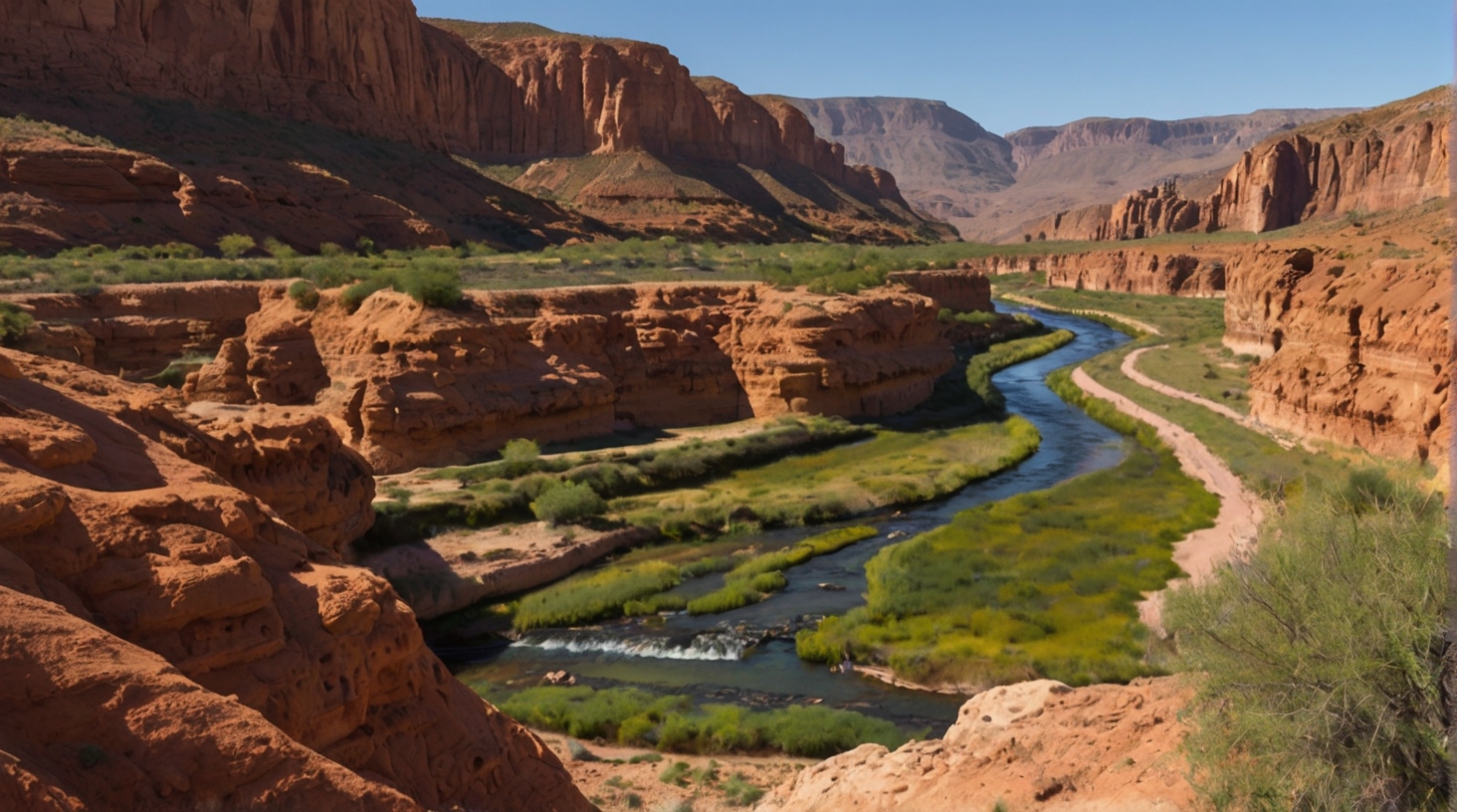
You’ll find that water acts as a fundamental source of life within the Dades Gorges, underpinning the existence and proliferation of diverse species. Its role extends beyond mere sustenance, as river erosion patterns significantly sculpt the landscape, influencing habitat formation and accessibility. This dynamic interplay fosters a unique environment where species diversity flourishes, serving as a catalyst for the rich ecological tapestry observed today.
Water as Life Source
Water serves as the cornerstone of life in Dades Gorges, playing a pivotal role in sculpting not only the landscape but also the diverse ecosystems within. Your understanding of this intricate balance hinges on recognizing water’s dual capacity to nurture and, through pollution, to harm.
| Factor | Impact on Aquatic Ecosystems | Impact on Land Ecosystems |
| Availability | Ensures biodiversity | Supports plant life |
| Quality | Influences species health | Affects soil productivity |
| Pollution Effects | Reduces species diversity | Diminishes crop yields |
| Seasonal Variations | Dictates migratory patterns | Influences flowering times |
You see, water’s significance transcends mere sustenance; it’s a dynamic force that shapes the very fabric of life, with implications far-reaching and profound.
River Erosion Patterns
Rivers carve through Dades Gorges with relentless force, sculpting the landscape in patterns that reveal both the power and the subtlety of erosion over time. You’ll find that sediment transport and erosion control aren’t just technical terms but integral elements shaping this natural masterpiece. As water flows, it picks up and redistributes sediments, constantly reshaping riverbanks and beds. This process isn’t random; it follows a complex set of geological and hydrological rules, contributing to the unique formations seen within the gorges. The interaction between flowing water and the land it traverses creates a dynamic environment. As erosion control mechanisms naturally occur, they also ensure that the landscape’s evolution continues, balancing between formative forces and the underlying geologic structures. This interplay showcases nature’s ability to sculpt and refine landscapes over millennia, offering a glimpse into the relentless yet delicate balance of erosion.
Species Diversity Catalyst
As erosion shapes the physical contours of Dades Gorges, it also plays a pivotal role in fostering an environment where diverse species thrive, illustrating how water’s influence extends beyond mere landscape formation to become a catalyst for biodiversity. This dynamic environment, marked by water’s continuous reshaping of the earth, introduces unique migration corridors that facilitate the movement of species. Such corridors are essential for genetic exchange, reducing the risks associated with genetic drift by ensuring a flow of genetic diversity. This genetic flow, in turn, supports the adaptation and survival of species in changing environments. By carving out these pathways, water not only sculpts the physical landscape but also engineers the ecological framework that supports a rich tapestry of life, making Dades Gorges a living laboratory for studying biodiversity and ecosystem resilience.
Microclimates and Flora Diversity

You’ll find that Dades Gorges’ unique microclimates foster a remarkable variety of plant habitats, each supporting distinct flora populations. These microenvironments are shaped by the intricate interplay between the region’s topography and climate, influencing vegetation patterns in profound ways. Consequently, the diversity of plant life in Dades Gorges underscores the critical role climate plays in determining the distribution and health of vegetation.
Unique Plant Habitats
Dades Gorges’ unique microclimates foster a remarkable diversity of flora, creating specialized habitats that support a wide range of plant species. You’ll find that these habitats are intricately linked with:
- Soil composition – Variations in soil types across the gorges directly influence the distribution of plant species. Certain areas, rich in minerals, support unique flora that can’t be found elsewhere.
- Pollination strategies – The diversity in plant species necessitates a variety of pollination methods. Some plants have evolved complex relationships with specific pollinators, ensuring their survival in this distinct ecosystem.
- Microclimate effects – Small-scale climate variations significantly impact plant growth, survival, and distribution throughout the gorges, contributing to the area’s overall biodiversity.
Analyzing these factors reveals how Dades Gorges’ geology shapes its unique plant habitats, highlighting the interconnectedness of earth’s systems.
Climate Influence on Vegetation
Examining the varied microclimates within the Dades Gorges reveals how they significantly shape the region’s flora diversity, fostering environments where unique vegetation thrives. The interplay between temperature extremes and precipitation patterns creates a mosaic of habitats, each with its specialized community of plants.
| Microclimate Feature | Impact on Vegetation |
| Temperature Extremes | Dictates species adaptation and survival |
| Precipitation Patterns | Influences plant distribution and density |
| Sunlight Exposure | Affects photosynthetic activity and growth rates |
| Elevation Variance | Determines species diversity and ecosystem structure |
This detailed analysis shows that the microclimates within Dades Gorges act as a crucible for biodiversity, with temperature and moisture gradients directly influencing the lushness and composition of the region’s plant life.
Faunal Adaptations to Geological Features
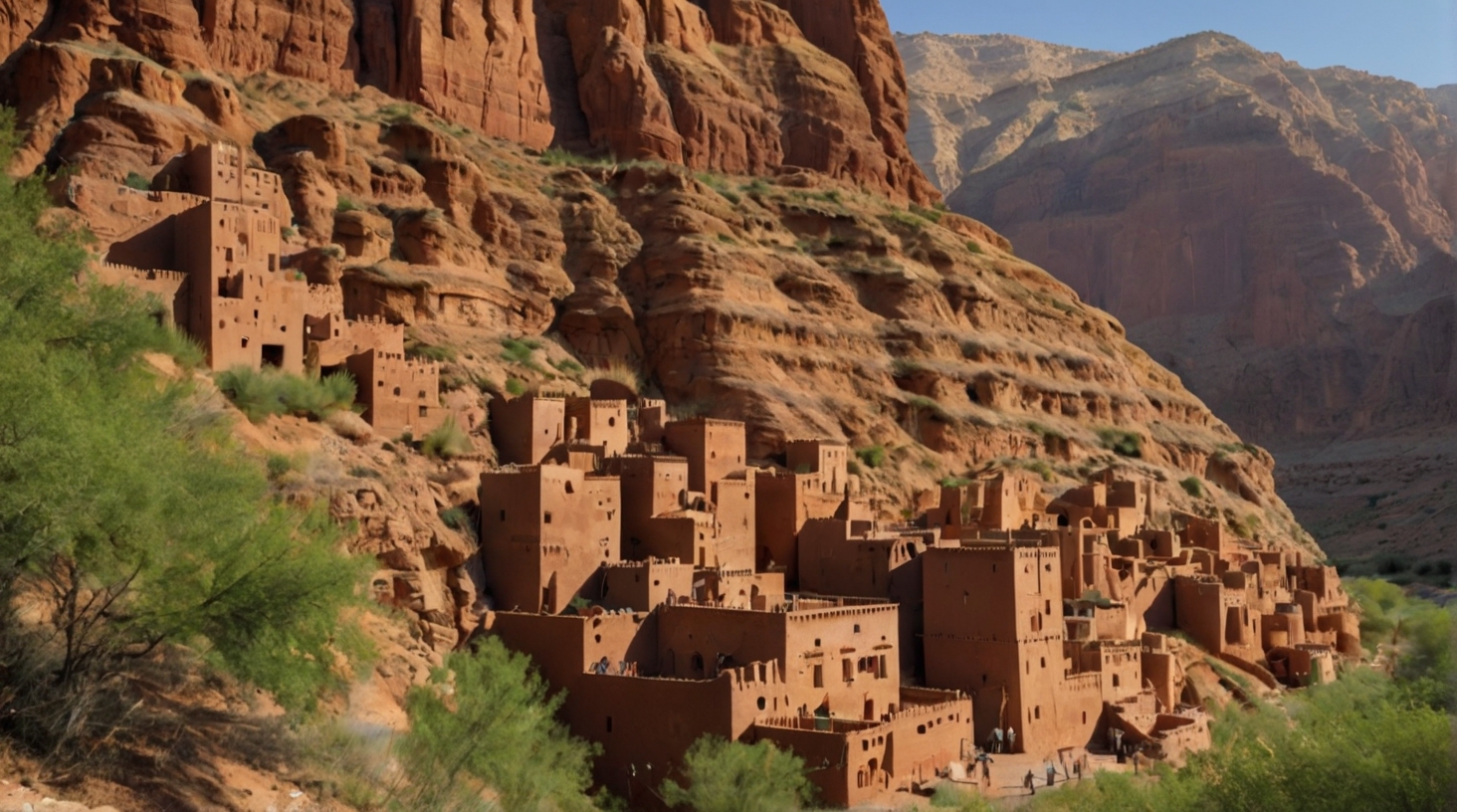
Animals inhabiting the Dades Gorges have evolved unique adaptations to navigate and thrive within its complex geological structures. The rugged terrain, steep cliffs, and varying elevations present challenges that demand specific biological and behavioral strategies. These adaptations are not just about survival; they’re a testament to the resilience and ingenuity of life in the face of geological immensity.
- Animal Migration and Behavioral Adaptations
- Many species have developed intricate migration patterns that align with the geological landscape of the Dades Gorges. This isn’t random wandering but a strategic movement designed to optimize resource availability and reproductive success. You’ll find that birds, for instance, have timed their flights to coincide with the blooming of certain plants or the emergence of insects, which are directly influenced by the gorges’ microclimates. These behavioral adaptations ensure that despite the harsh and sometimes unpredictable conditions, life flourishes.
- Physical Adaptations for Climbing and Navigating Cliffs
- The steep and uneven surfaces necessitate physical traits that enable secure movement. Goats in the area, for example, have developed exceptionally strong and nimble hooves that allow them to scale vertical or near-vertical surfaces with ease. This ability isn’t just about accessing food; it’s also a critical evasion tactic from predators.
- Adaptations to Microclimates Within the Gorge
- The varied microclimates created by the gorges’ topography have led to the evolution of specialized fur or feather densities in mammals and birds, respectively. These adaptations provide insulation against temperature fluctuations, enabling these creatures to maintain body temperature and energy efficiency regardless of external conditions.
Impact of Erosion on Habitats

Erosion significantly alters habitats within the Dades Gorges, reshaping the landscape and influencing the distribution and survival of numerous species. As you delve deeper into the dynamics of this environment, you’ll find that erosion doesn’t merely involve the removal of soil but also affects soil composition, which is critical for plant life that, in turn, supports a diverse range of fauna.
The process, accelerated by human intervention, such as deforestation and unsuitable agricultural practices, exacerbates the natural erosion rates. You’ll observe that the soil composition changes drastically with erosion, leading to a loss of nutrients and a decline in soil fertility. This alteration makes it challenging for native plant species to thrive, subsequently affecting the animals that depend on them for food and habitat.
Moreover, the sediment from eroded areas can clog rivers and streams, affecting aquatic life and reducing the availability of water for plants. This cascading effect of erosion on ecosystems within the Dades Gorges underscores the interconnectedness of life and the landscape.
Understanding the impact of erosion on habitats highlights the importance of sustainable land management practices. It’s evident that human intervention has played a significant role in accelerating erosion, but it also means that through informed decisions and actions, you can help mitigate these effects. Conservation efforts focusing on reducing erosion and restoring habitats are vital for the long-term health of the ecosystems in the Dades Gorges, ensuring the freedom and survival of the species that call it home.
Rock Types and Plant Distribution
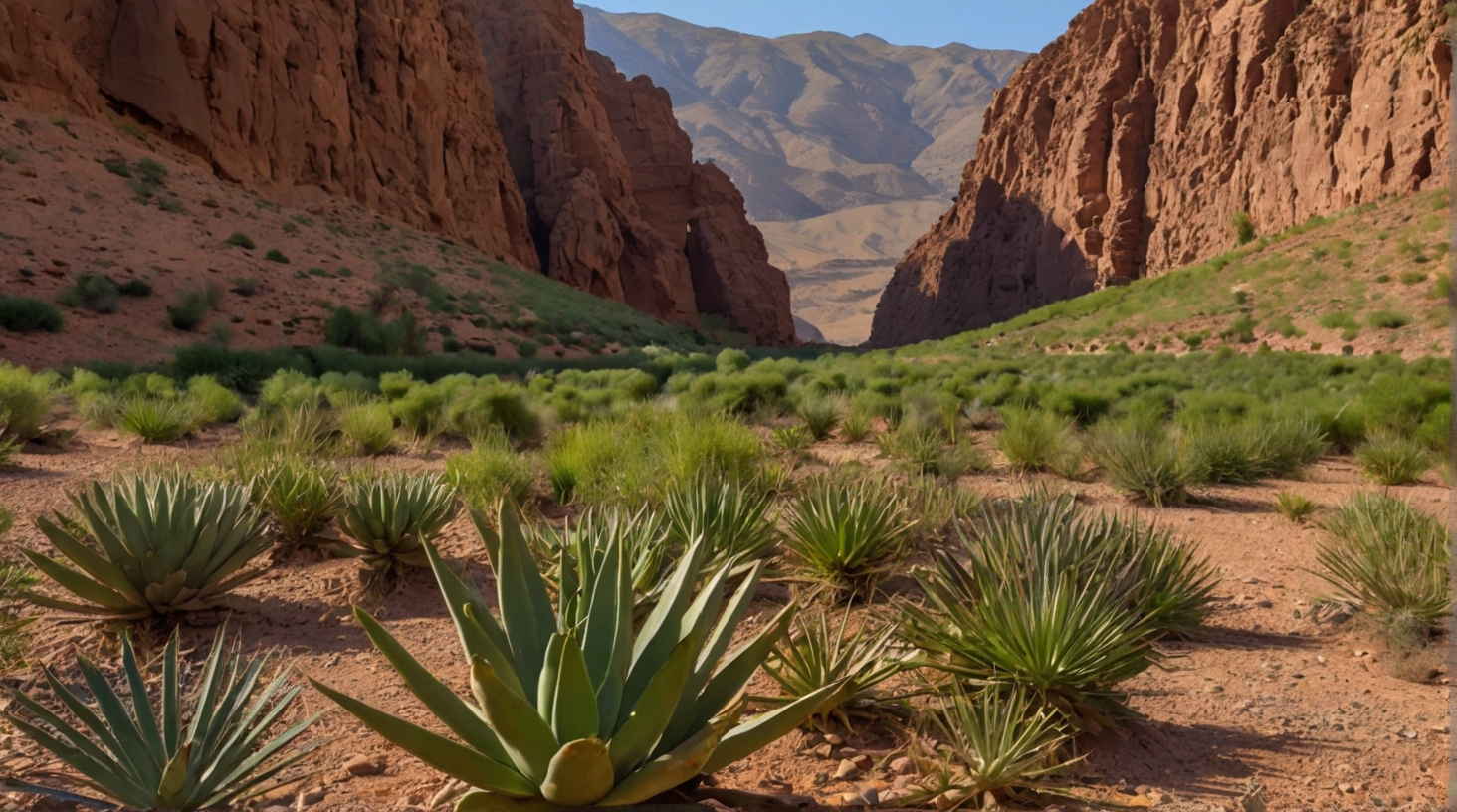
Building on our understanding of how erosion impacts habitats, it’s crucial to explore how the diversity of rock types in Dades Gorges influences plant distribution across this rugged landscape. The relationship between rock composition and plant growth is intricate, governed by factors such as soil pH and mineral presence, which directly affect the types of plants that can thrive in any given area.
- Soil pH Levels: The variety of rocks in Dades Gorges, from limestone to sandstone, creates a mosaic of soil pH levels. Limestone areas tend to have more alkaline soils, supporting plant species that can tolerate higher pH levels. In contrast, areas with more acidic soils, resulting from the weathering of sandstone, support a different community of plant species. This pH diversity is key to the wide variety of plants found in Dades Gorges.
- Mineral Presence: Different rocks contribute distinct minerals to the soil, which act as nutrients for plant growth. For instance, magnesium-rich serpentine rocks influence the growth of specific plants adapted to high levels of magnesium, while areas with granite may have soils deficient in certain nutrients, selecting for hardy species that can cope with these conditions.
- Water Retention and Drainage: The type of underlying rock affects soil water retention and drainage, crucial factors for plant survival. Porous rocks like sandstone provide well-drained soils, ideal for plants adapted to drier conditions, whereas clay-rich soils derived from other rock types might support species that require more water.
Understanding these interactions between rock types, soil chemistry, and plant distribution allows you to appreciate the complex web of life in Dades Gorges, where every element is interconnected in the dance of ecological balance.
Conservation Efforts in Dades Gorges
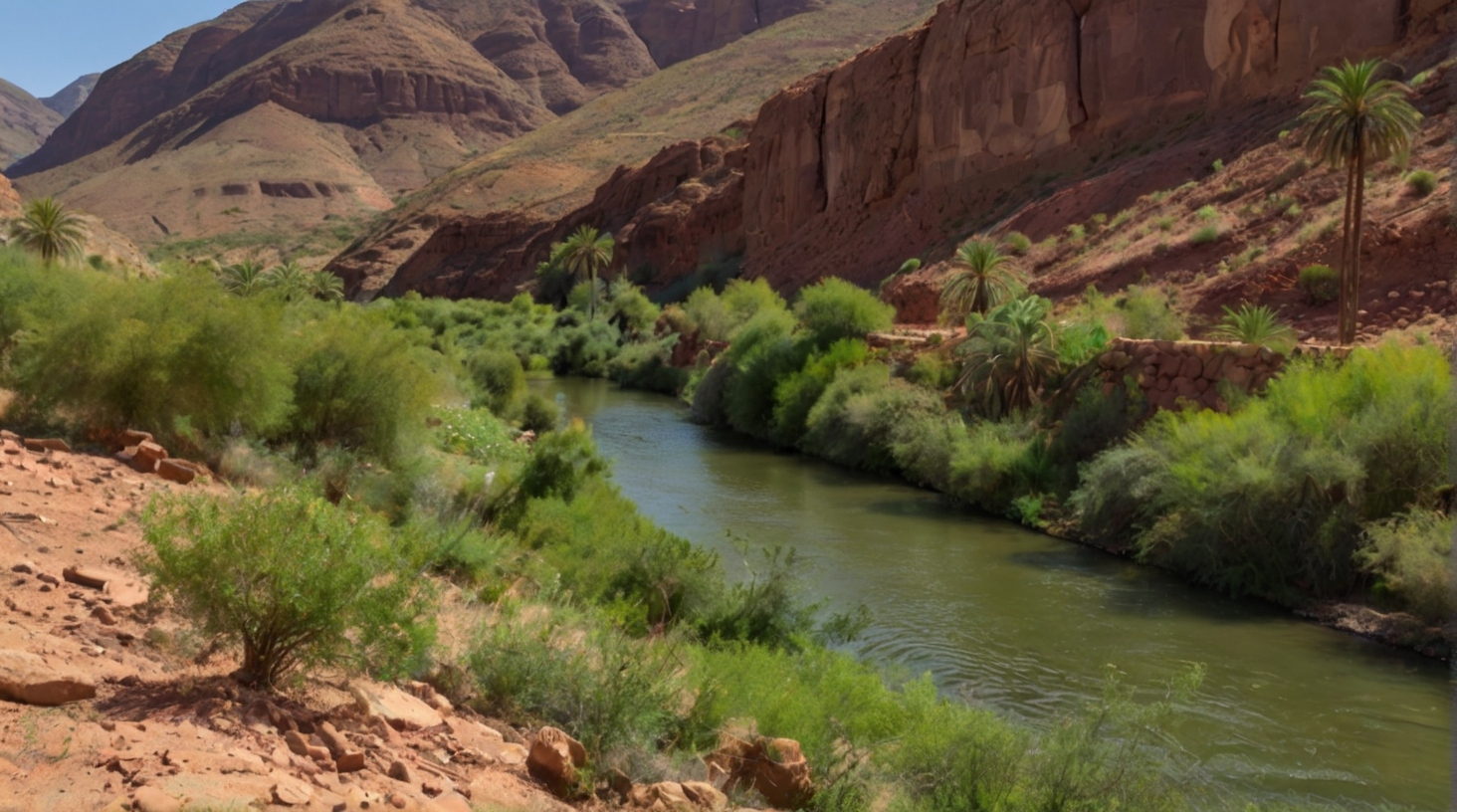
Recognizing the fragility of Dades Gorges’ unique ecosystems, conservation efforts have become imperative to safeguard its biodiversity and geological integrity. The balance between preserving this natural wonder and accommodating the influx of tourists poses a significant challenge. Tourism management strategies are thus central to conservation efforts, emphasizing the need to regulate visitor numbers and activities to minimize ecological footprints.
Local communities play a pivotal role in these conservation endeavors. Their deep-rooted knowledge and connection to the land are invaluable in implementing sustainable practices. Engaging these communities in decision-making processes ensures that conservation measures align with their needs and aspirations, fostering a sense of ownership and responsibility towards the preservation of Dades Gorges.
Effective tourism management in Dades Gorges hinges on strict adherence to carrying capacity limits, which dictate the maximum number of visitors that the area can accommodate without causing environmental degradation. This approach requires rigorous monitoring and enforcement, alongside the development of infrastructure that minimizes ecological impact. Education plays a crucial role here, with initiatives aimed at raising awareness among tourists about the importance of conservation and the fragility of the ecosystems they visit.
Related Articles
Erosion History of Dades Gorges
Journey through time to unravel the erosion history of Dades Gorges, revealing Earth's dynamic forces at play.
Age of Dades Gorges Rock Layers
Learn the ancient secrets of Dades Gorges' rock layers, where every stratum whispers tales from deep time, inviting curiosity and exploration.
Archaeological Findings in Dades Gorges
Immerse yourself in the mystery of Dades Gorges' ancient civilizations, where each artifact whispers secrets of a forgotten past.