
Lahsen
A passionate explorer weaving tales of the majestic landscapes and cultural treasures nestled within the rugged beauty of Morocco’s Dades Gorges.
Defining Weathering Processes
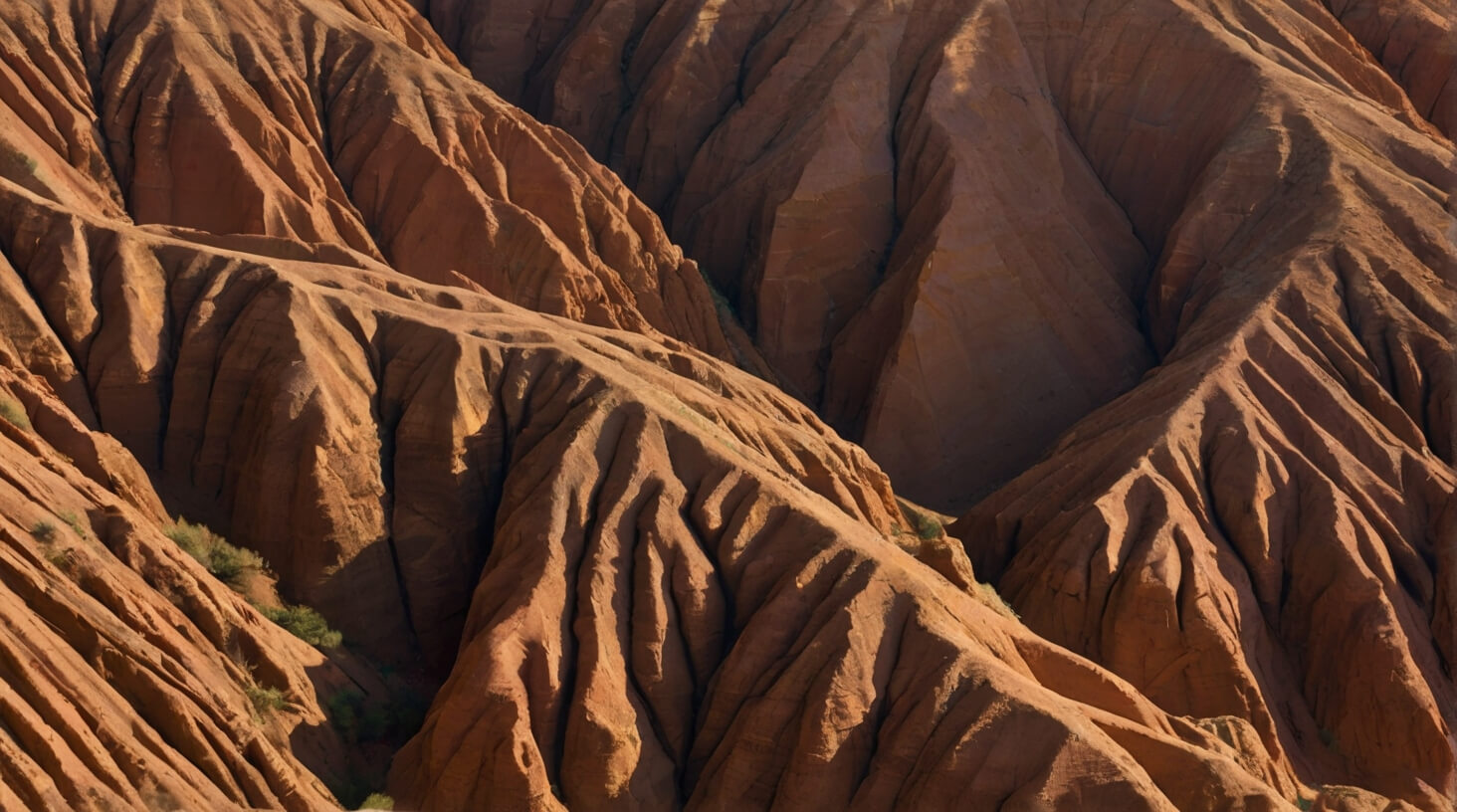
Nearly 90% of the visual marvel that is Dades Gorges owes its grandeur to the relentless forces of weathering. You might find it fascinating how these processes, both physical and chemical, have sculpted the landscape over millennia, transforming it into the breathtaking spectacle we witness today. As you explore the implications of weathering on the gorge’s geological structures, ecosystems, and human activities, consider the delicate balance between natural beauty and the challenges of conservation. The future of this majestic natural wonder hangs in a delicate balance, inviting you to ponder its fate in the face of ever-evolving environmental conditions.
What exactly are weathering processes, and how do they play a crucial role in shaping landscapes such as the Dades Gorges? In your quest for freedom, understanding the forces that shape the natural world around you is essential. Weathering processes are the gradual breakdown of rocks, soils, and minerals through contact with the Earth’s atmosphere, water, and biological organisms. This complex interaction significantly influences the chemical composition and physical structure of landscapes, leading to varied erosion patterns over time.
There are two main types of weathering: chemical and physical. Chemical weathering involves the alteration of the chemical composition of rock materials due to reactions with water and gases in the atmosphere. This can result in the dissolution of minerals, leading to the formation of new mineral assemblages. For instance, the Dades Gorges’ vivid coloration and intricate patterns owe much to chemical weathering, which has altered the original minerals to produce a stunning visual spectacle.
Physical weathering, on the other hand, doesn’t alter the chemical composition but changes the physical appearance and size of rock materials. Freeze-thaw cycles, temperature fluctuations, and mechanical erosion from wind and water contribute to shaping the landscape’s physical structure. The Dades Gorges have been sculpted over millennia through such processes, with erosion patterns revealing the relentless force of nature in carving out these majestic canyons.
Understanding these processes allows you to appreciate the dynamic interplay between the Earth’s geological components and the climatic forces acting upon them. It’s a testament to nature’s power and its ability to constantly reshape our world, offering a canvas of freedom for those who seek to explore and understand its complexities.
Geological Transformation
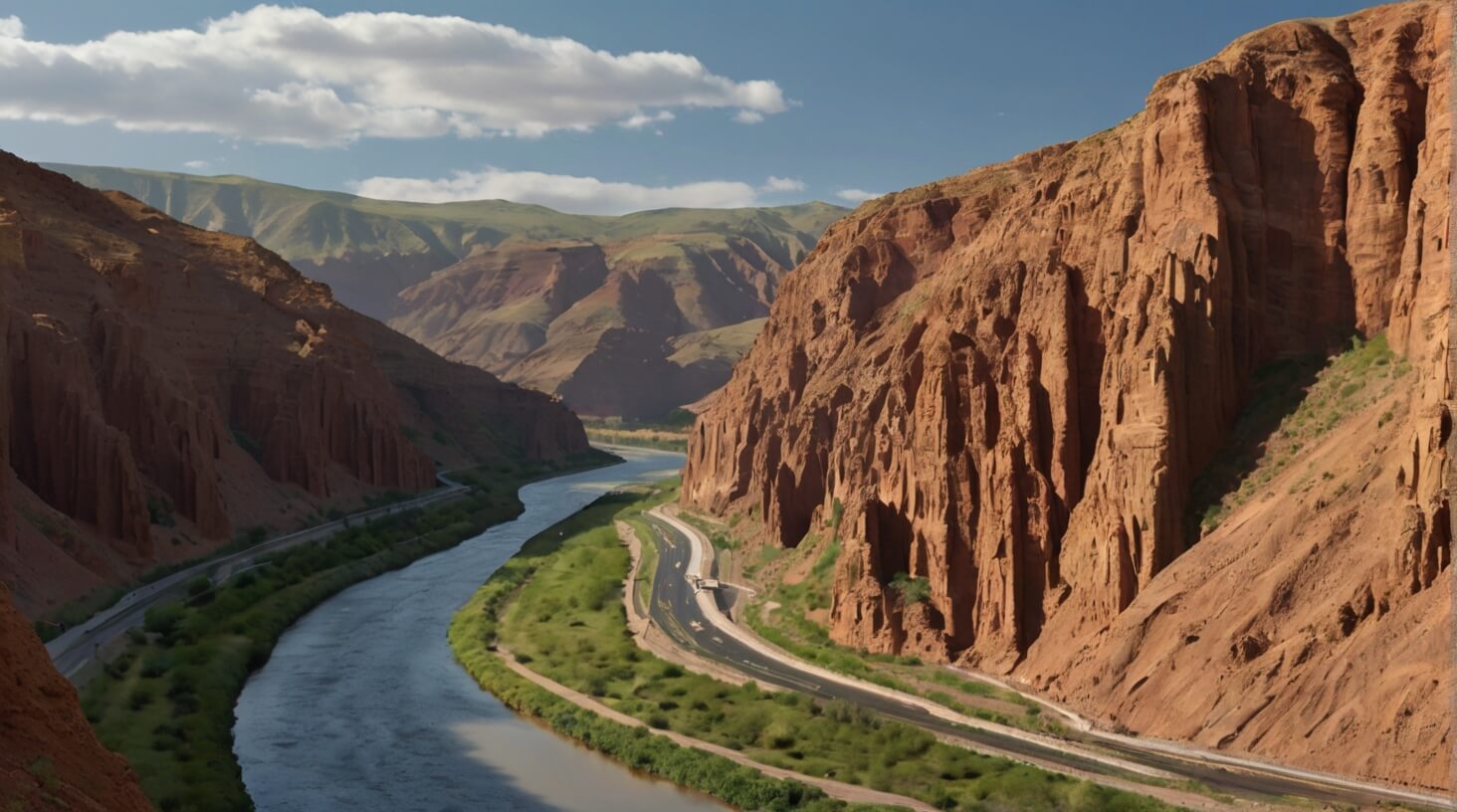
Over centuries, the Dades Gorges have undergone a remarkable geological transformation, showcasing nature’s ability to sculpt landscapes through persistent weathering and erosion processes. You’ve observed how these forces have carved deep valleys and stunning rock formations, but let’s delve deeper into the interplay of rock composition and erosion rates that drive these changes.
The composition of rocks in the Dades Gorges varies, influencing their susceptibility to weathering. Harder rocks resist weathering, creating the towering cliffs that define the landscape, while softer rocks erode more easily, forming the gorges’ valleys and ravines. This differential erosion is a key factor in the gorge’s evolving appearance.
Erosion rates also play a crucial role in the geological transformation of the Dades Gorges. Factors such as rainfall, temperature fluctuations, and the presence of vegetation all impact how quickly the landscape changes. Rainwater, especially when it’s slightly acidic, can dissolve certain minerals in the rocks more readily, accelerating the erosion process.
To give you a clearer picture, consider this table summarizing key aspects of the transformation:
| Factor | Influence on Rock Composition | Influence on Erosion Rates |
| Water | Dissolves soluble minerals | Accelerates with volume |
| Wind | Minor mechanical wear | Shapes surface features |
| Temp | Expands/contracts rocks | Increases in extremes |
| Biology | Roots can break rock | Can both protect and erode |
Understanding these factors helps you appreciate the dynamic nature of geological processes and the relentless shaping of the Dades Gorges. It’s a testament to nature’s artistry, constantly at work, liberating landscapes from their current form to reveal the beauty beneath.
Ecosystem Changes

As weathering alters the landscape of Dades Gorges, you’ll observe significant shifts in both plant life and wildlife habitats. These changes impact the ecosystem’s balance, leading to altered vegetation patterns and forcing animal populations to adapt or migrate. Understanding these dynamics is critical for conservation efforts and predicting future ecological shifts in the region.
Altered Plant Life
The intricate process of weathering in Dades Gorges has significantly altered its plant life, leading to distinct shifts in the ecosystem’s composition and functionality. As you delve deeper, you’ll understand that changes in soil composition directly influence the types of plants that can thrive. Weathering alters the soil’s nutrient profile and drainage capacity, dictating which plant species dominate. Furthermore, these shifts in vegetation significantly affect pollination patterns. Certain plants that once flourished are now scarce, disrupting the intricate dance between flora and pollinators. This reconfiguration of plant life doesn’t just alter the visual landscape; it fundamentally reshapes the ecosystem’s dynamics, affecting everything from soil health to the availability of resources for various organisms. Understanding these impacts is crucial for anyone passionate about preserving the natural freedom and balance of such environments.
Wildlife Habitat Shifts
Following the alteration of plant life in Dades Gorges, wildlife habitat shifts have emerged as a critical consequence, reshaping ecosystem dynamics. You’ll find that species migration isn’t just a reaction; it’s a survival strategy. As water availability fluctuates, largely due to weathering impacts on the region’s geology, animals are forced to adapt, moving to areas where water is more accessible. This shift isn’t random but a calculated response to changing conditions.
Furthermore, these migrations affect the balance of the ecosystem, introducing new predators and competitors into areas previously unoccupied by them. You’re witnessing a domino effect, where altered water availability leads to changes in plant life, which in turn, dictates wildlife movements. This intricate interplay is a testament to the resilience and adaptability of nature in the face of environmental changes.
Influence on Human Activities
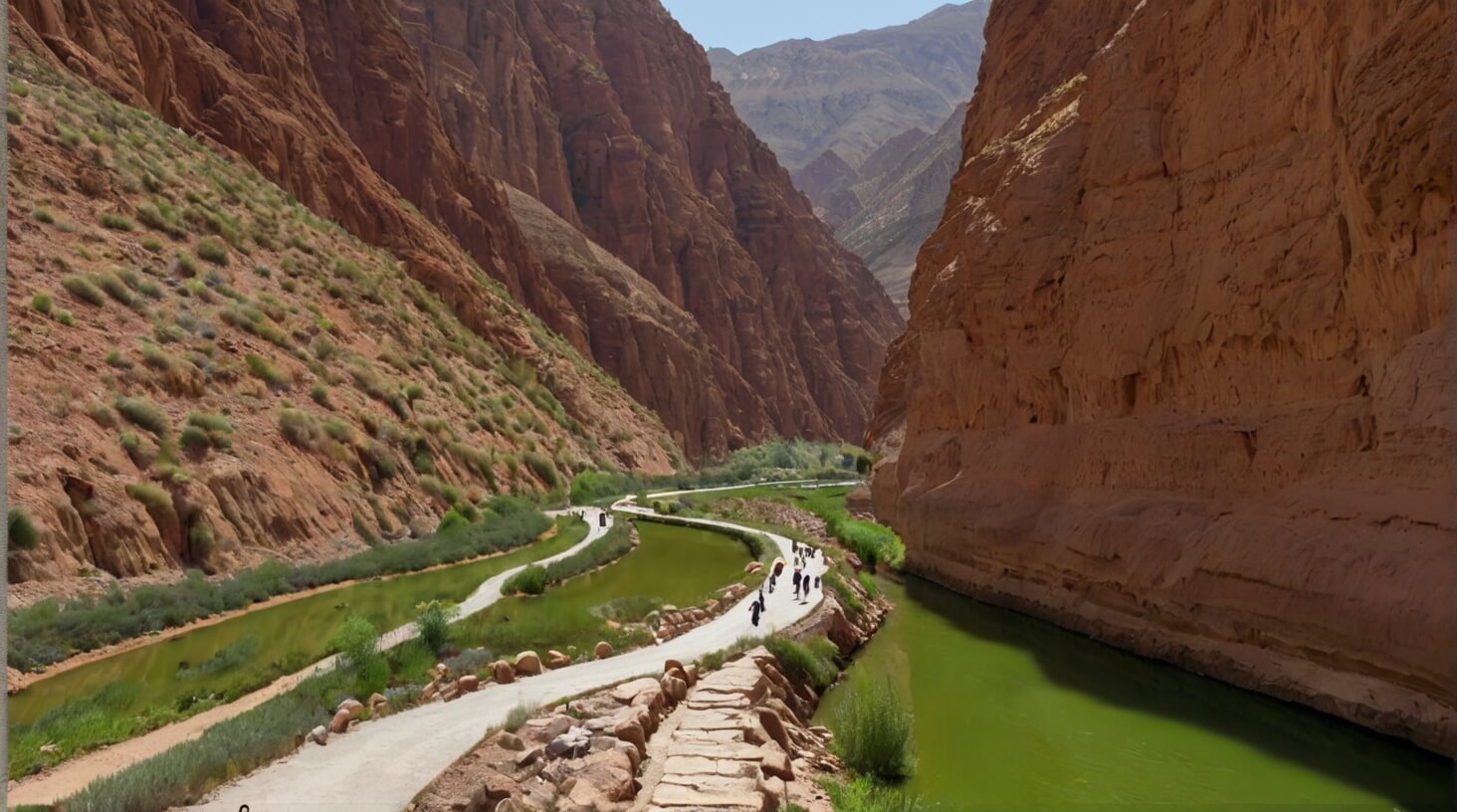
You’ll find that weathering significantly transforms the Dades Gorges, impacting human activities in profound ways. Altered agricultural practices result from the changing soil composition and water availability, necessitating adjustments in cropping patterns and irrigation methods. Similarly, shifts in tourism dynamics are observed as altered landscapes attract different types of visitors, influencing local economies and infrastructure demands.
Agricultural Practices Altered
Weathering processes in the Dades Gorges have significantly reshaped local agricultural practices, impacting crop selection and land use strategies. You’re witnessing a direct correlation between environmental changes and human adaptability in the face of:
- Soil Erosion: Accelerated soil erosion necessitates innovative farming techniques to preserve arable land, urging a shift towards crops that are more resilient and erosion-resistant.
- Water Management: Altered hydrological cycles demand sophisticated water management strategies, ensuring that scarce water resources are utilized more efficiently and sustainably.
- Crop Selection: The changing landscape has led to the adoption of crop varieties better suited to the evolving soil and water conditions, ensuring food security and agricultural sustainability.
These adaptations not only highlight human ingenuity but also underscore the importance of understanding and responding to environmental changes for the continued freedom to cultivate and thrive in changing landscapes.
Tourism Dynamics Shifted
The shifting landscape of Dades Gorges, sculpted by weathering processes, has significantly altered tourism dynamics, impacting everything from visitor patterns to local economies. You’re witnessing a transformation that’s reshaping how you engage with this majestic area. Gone are the days of passive sightseeing. Today, Dades Gorges is a hub for adventure sports and cultural festivals, drawing in a crowd that’s eager for an authentic experience.
| Before Weathering | After Weathering |
| Limited visitor engagement | Increased participation in cultural festivals |
| Predominantly sightseeing | Surge in adventure sports activities |
| Seasonal tourism peaks | Year-round tourism flow |
| Economic reliance on traditional tourism | Diversified local economy with innovative tourism ventures |
This evolution reflects a broader trend where you’re not just visiting a place; you’re immersing yourself in its ongoing story, fueled by the forces of nature.
Conservation Challenges

Addressing conservation challenges in Dades Gorges requires a nuanced understanding of the complex interplay between natural weathering processes and human activities. You’re standing at a crossroads where the preservation of natural beauty and cultural heritage meets the inevitable push of progress and development. This delicate balance is pivotal in ensuring that Dades Gorges remains a testament to natural grandeur while fostering economic growth and community well-being.
The role of local communities and the effects of pollution stand at the forefront of these conservation challenges. Consider the following:
- Local Communities: Their livelihoods are intricately tied to the health of Dades Gorges. Sustainable practices must be promoted to ensure that their activities do not exacerbate weathering or lead to irreversible damage. Engaging these communities in conservation efforts not only empowers them but also ensures that solutions are culturally sensitive and practically viable.
- Pollution Effects: The impact of pollution on Dades Gorges cannot be understated. From the litter left by tourists to the runoff from nearby urban areas, each contributes to the degradation of this pristine environment. Strategies to mitigate these effects include stricter regulation of waste management and the promotion of eco-friendly tourism practices.
- Educational Programs: Raising awareness about the importance of preserving Dades Gorges is crucial. Educational programs targeting both locals and tourists can foster a culture of respect and responsibility towards the environment.
Tackling these challenges requires a multifaceted approach that respects the freedom of local communities to thrive while safeguarding the natural and cultural heritage of Dades Gorges. The path forward is fraught with difficulties, but with careful planning and collaboration, preservation and progress can coexist.
Future Implications
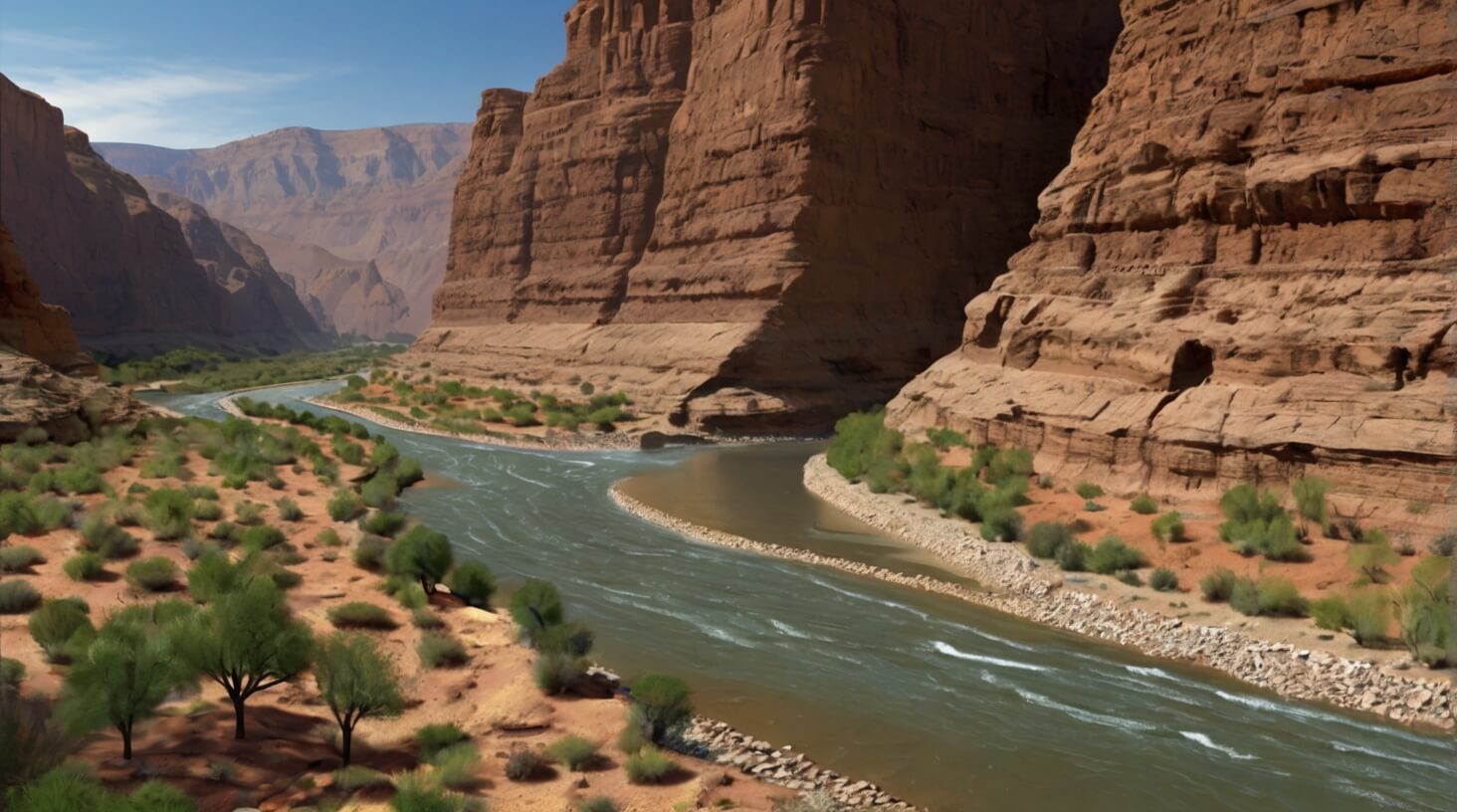
Considering the multifaceted conservation challenges Dades Gorges faces, future implications suggest a pressing need for strategic interventions that can harmonize environmental preservation with local development ambitions. You’re poised at a critical juncture where the protection of cultural heritage intersects directly with the pursuit of infrastructure resilience. This isn’t just about safeguarding the past; it’s about ensuring a sustainable future where freedom and progress coexist.
To navigate this complex terrain, you must prioritize adaptive strategies that bolster the gorges against the relentless forces of weathering while fostering an environment where local communities can thrive. It’s a delicate balance, but one that’s achievable with innovative thinking and collaborative effort.
Building infrastructure resilience is paramount. You’ll need to design and implement solutions that are not only robust in the face of natural degradation but also flexible enough to adapt to changing conditions. This might include the introduction of new materials and construction techniques that mimic the natural resilience of the gorges themselves.
Simultaneously, safeguarding the cultural heritage of Dades Gorges requires a nuanced understanding of its value. This isn’t just about preserving physical structures or landscapes; it’s about maintaining the living traditions and practices that have flourished in this unique environment. You’ll need to engage local communities in this endeavor, ensuring that development initiatives respect and reinforce their cultural identity.
As you look to the future, remember that the path forward is one of integration, not isolation. By weaving together the threads of environmental preservation, cultural heritage, and infrastructure resilience, you can chart a course that honors the legacy of Dades Gorges while embracing the possibilities of tomorrow.
Related Articles
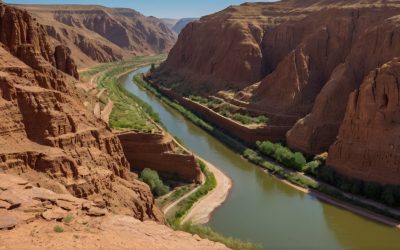
Erosion History of Dades Gorges
Journey through time to unravel the erosion history of Dades Gorges, revealing Earth's dynamic forces at play.
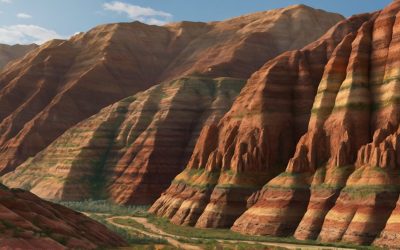
Age of Dades Gorges Rock Layers
Learn the ancient secrets of Dades Gorges' rock layers, where every stratum whispers tales from deep time, inviting curiosity and exploration.
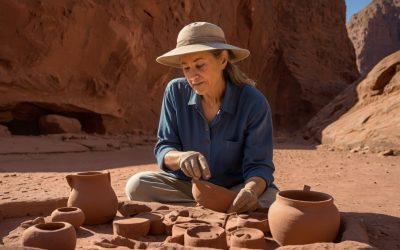
Archaeological Findings in Dades Gorges
Immerse yourself in the mystery of Dades Gorges' ancient civilizations, where each artifact whispers secrets of a forgotten past.