
Lahsen
A passionate explorer weaving tales of the majestic landscapes and cultural treasures nestled within the rugged beauty of Morocco’s Dades Gorges.
The Forces Behind Erosion
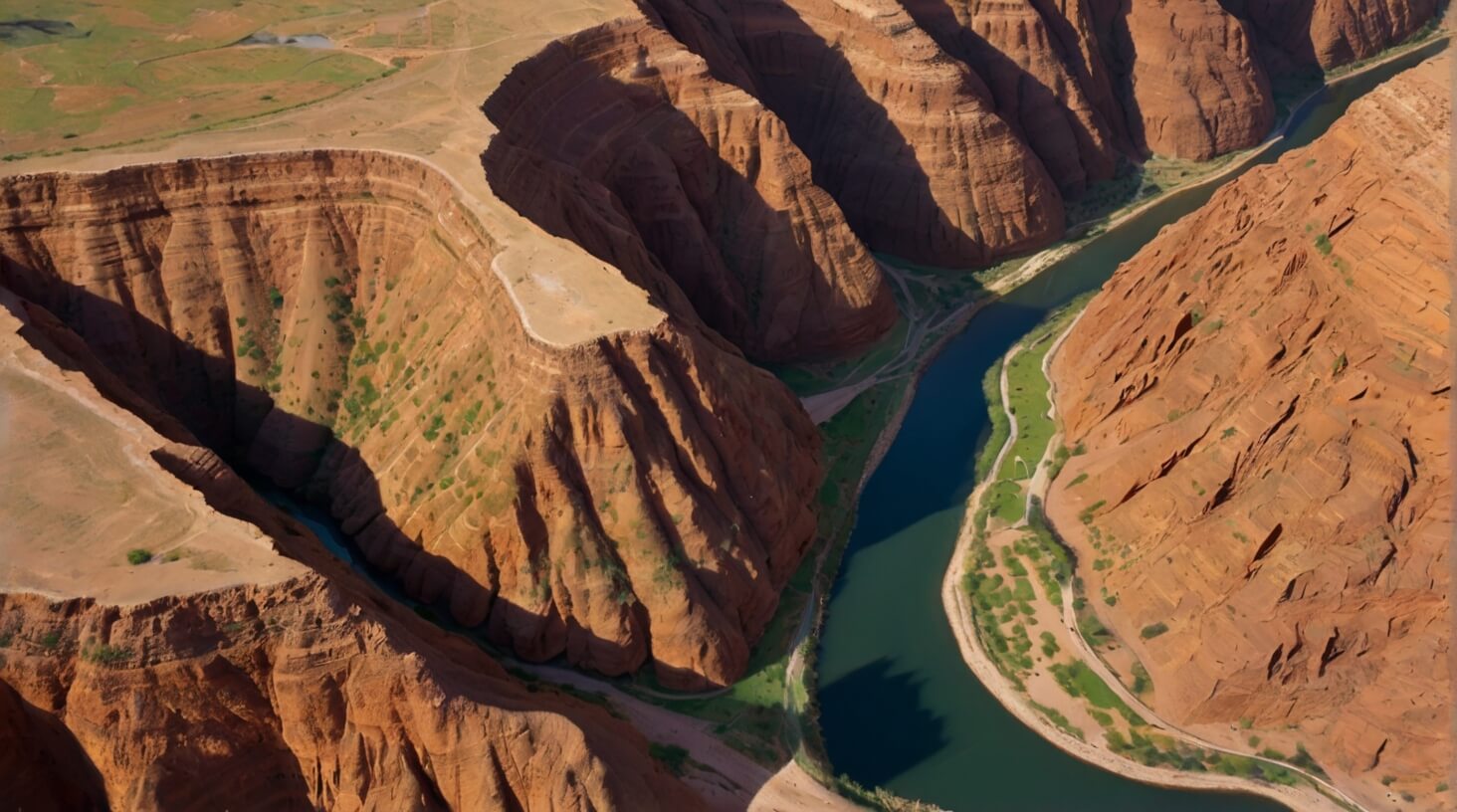
You might not be aware that the striking patterns found in the Dades Gorges are the result of millions of years of natural erosion, not merely the work of water, but also the subtle, yet powerful, influence of wind. These forces have collaborated to sculpt a landscape that’s both rugged and artistically inspiring, revealing Earth’s history through its layered strata. As you consider the interplay between these natural elements, the question of how human activity might be impacting this delicate balance looms large. Let’s explore further, shall we, and uncover the story behind these magnificent formations and the importance of their preservation.
Erosion in the Dades Gorges is primarily driven by water’s relentless force, carving through rock layers over millennia. Yet, it’s the chemical reactions and biological influences that intricately shape its landscape beyond the visible action of water. You’ve got to understand, these processes, often overlooked, play a pivotal role in the erosion patterns observed.
Chemical reactions, for instance, are at the heart of weathering processes. When water interacts with the carbon dioxide in the air or soil, it forms carbonic acid, a weak acid that slowly dissolves the limestone and dolomite rocks prevalent in the Dades Gorges. This dissolution process is not just a matter of brute force; it’s a subtle, ongoing chemical battle that gradually wears down the rock surfaces, altering the gorge’s appearance over eons. It’s a freedom march of atoms, where water and carbon dioxide liberate the rock-bound minerals into their constituent ions.
Biological influences also have their say in the erosion tale. Plant roots, as they seek moisture and nutrients, penetrate through tiny cracks and fissures in the rock. This might seem insignificant at first glance, but over time, the relentless growth of these roots can pry rocks apart, contributing to the mechanical breakup of the rock surface. Moreover, the decay of organic material from plants and animals produces acids that further enhance chemical weathering, proving that life itself molds the very landscape.
Together, chemical reactions and biological influences subtly, yet powerfully, dictate the rhythms of erosion in the Dades Gorges, shaping its contours and textures in a dance that’s as old as the earth itself.
Water’s Sculpting Power
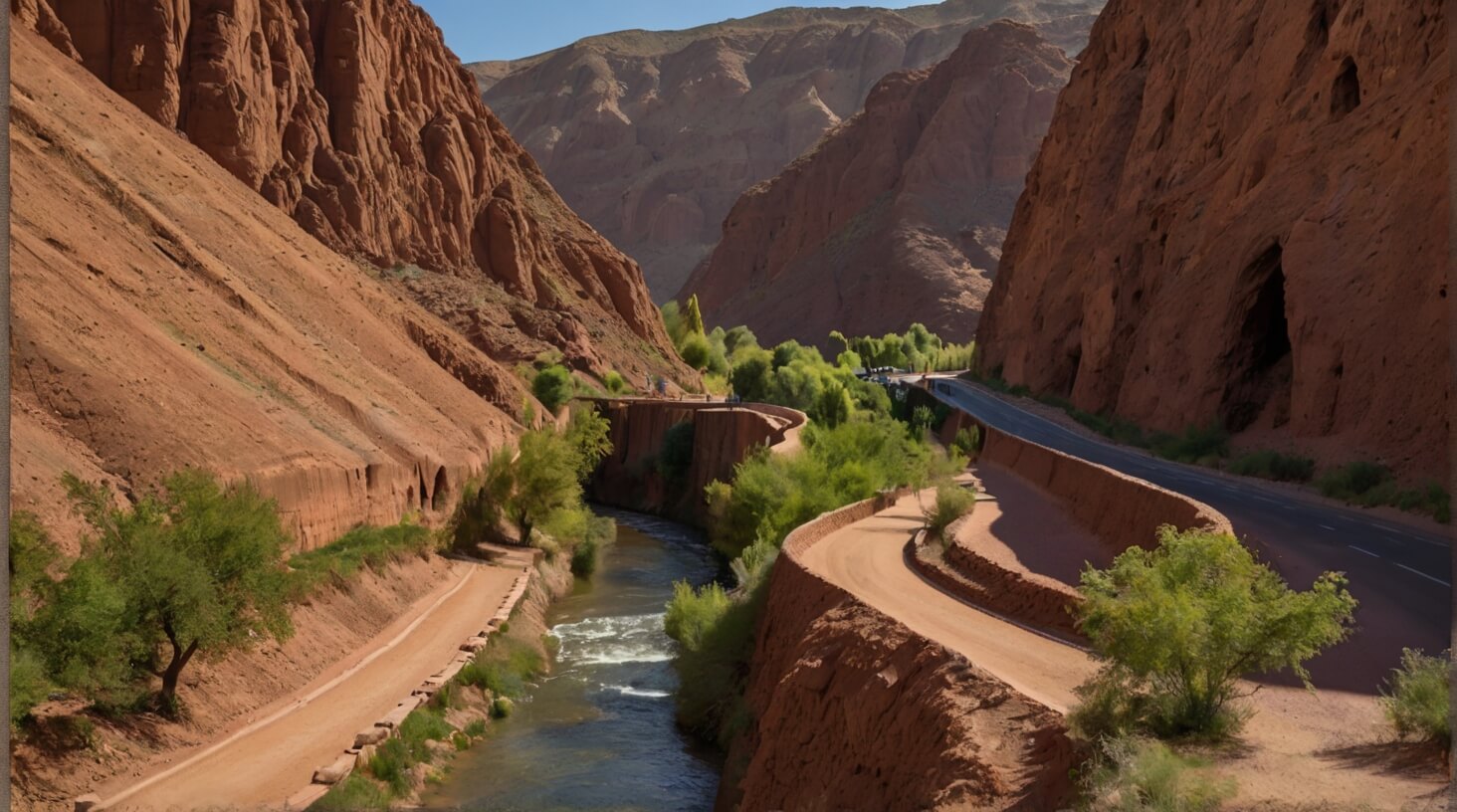
While chemical reactions and biological activities subtly shape the erosion landscape, it’s the relentless force of water that sculpts the dramatic formations seen throughout Dades Gorges. You observe this natural architect at work, carving paths through rock, sediment, and time itself. The process isn’t merely a testament to the power of flowing water but also to the intricate interplay between ice shaping and chemical weathering, each contributing uniquely to the erosion narrative.
- Flowing Water Erosion: As water travels down the Dades Gorges, it picks up speed and, with it, the ability to carry sediment and larger rocks. This constant movement acts like natural sandpaper, grinding down the riverbed and the gorge walls. Over millennia, this relentless force digs deeper, creating the spectacular, steep landscapes you marvel at today.
- Ice Shaping: During colder periods, water trapped in cracks and crevices freezes, expanding and exerting tremendous pressure on the surrounding rock. This process, known as frost wedging, breaks rock apart and contributes to the gorge’s evolving structure. As temperatures fluctuate, ice melts, and the process of erosion accelerates, further sculpting the landscape.
- Chemical Weathering: Water isn’t just a physical force; it’s a chemical one. As it flows, it dissolves minerals from the rocks, altering their composition and weakening them from within. This chemical weathering works in tandem with physical erosion to shape the unique and breathtaking features of Dades Gorges.
Understanding these mechanisms invites you to appreciate not just the beauty of Dades Gorges but the complex processes that forge such freedom-inspiring landscapes.
Wind’s Artistic Touch
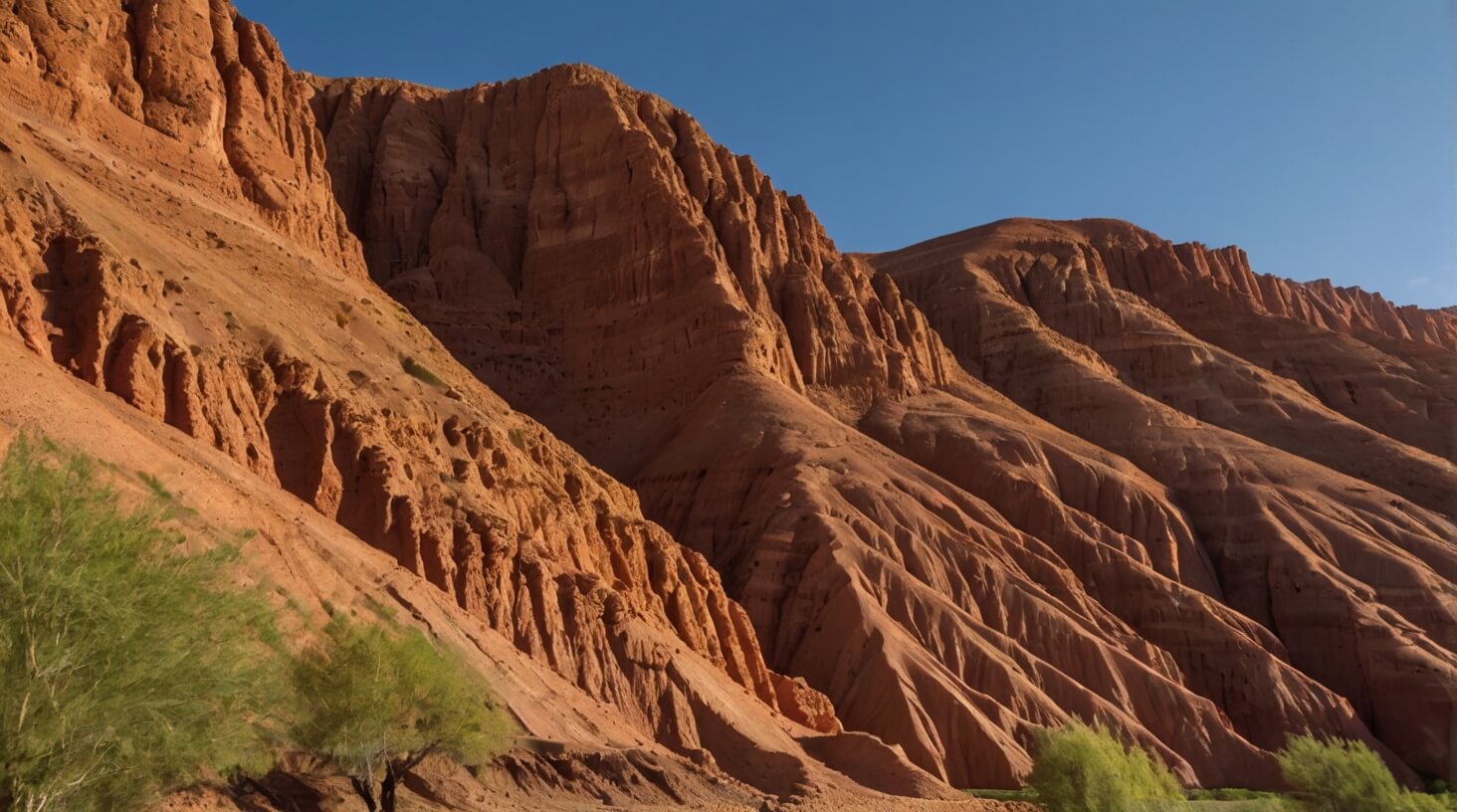
Beyond the water’s sculptural prowess, wind plays an equally pivotal role in carving the intricate details that define the Dades Gorges’ landscapes. You’ll find that as you delve deeper into the mechanics of this natural phenomenon, the wind’s influence extends far beyond mere surface alterations. It’s in the nuanced shifts and the subtle, yet profound, impact on both desert formation and vegetation patterns where its true artistry lies.
The wind, with its relentless force, etches patterns and shapes into the very fabric of the gorges, crafting landscapes that are as breathtaking as they are unique. These formations, born from the wind’s tireless energy, embody a dynamic canvas, constantly evolving under its touch. It’s not just about erosion; it’s about creation and re-creation, a testament to the wind’s powerful role in sculpting the earth’s surface.
Moreover, the wind’s impact on vegetation patterns within the Dades Gorges cannot be understated. Its selective force influences the distribution and survival of plant species, contributing to a mosaic of life adapted to withstand its might. This interaction between the wind and vegetation results in a complex, interdependent system, where each element influences and reshapes the other.
Through its relentless sculpting, the wind doesn’t merely alter the physical landscape; it also shapes the ecological balance, dictating the rhythm of life within these gorges. The intricate dance between wind, desert formation, and vegetation patterns highlights a natural world that is both resilient and ever-changing, a world where freedom and adaptation are paramount.
Geological Timeline
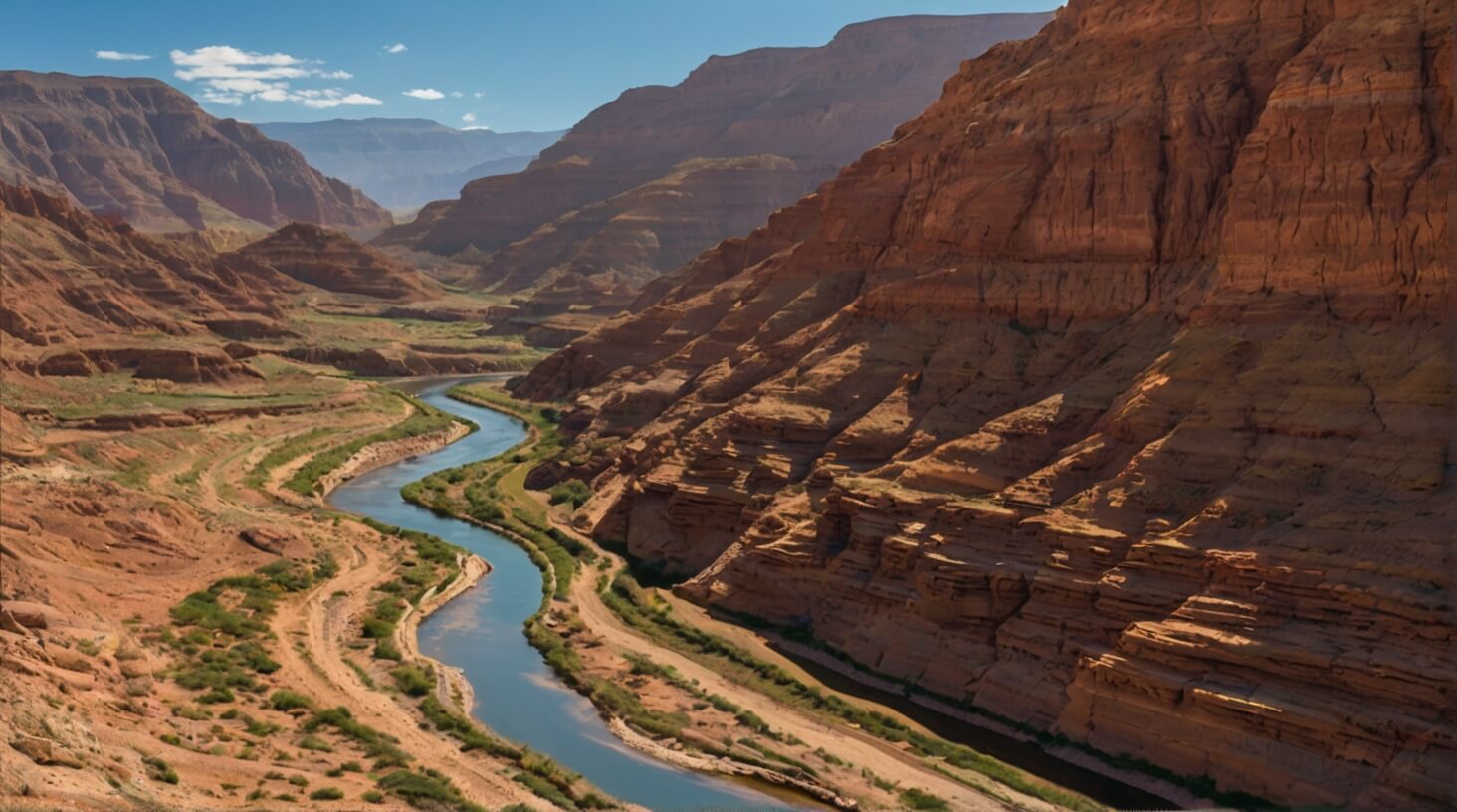
Shifting focus to the geological timeline, it’s crucial to understand how millennia of natural forces have shaped the Dades Gorges into their current form. Through a combination of rock dating and an understanding of plate tectonics, we’re able to piece together a detailed history of this magnificent landscape. Here’s how:
- Rock Dating: By examining the layers of sedimentary rock within the gorges, scientists have been able to use radiometric dating techniques to establish a timeline for the formation of the Dades Gorges. These methods reveal that the rocks at the base of the Gorges are over 400 million years old, indicating a slow, yet persistent, evolution. This insight into the age of the rocks provides a backdrop against which the forces of nature have acted.
- Plate Tectonics: The movement of the Earth’s plates has played a pivotal role in shaping the Dades Gorges. The African Plate’s northward drift and collision with the Eurasian Plate has caused significant uplift in the region. This tectonic activity has not only raised the High Atlas mountains but also created the deep valleys and gorges, including Dades, through a process of uplift and erosion.
- Natural Erosion: Over time, water and wind have sculpted the landscape, carving through the uplifted rock layers to create the stunning gorges we see today. The erosional patterns observed in the Dades Gorges showcase the power of these natural forces over millions of years, continually reshaping the earth’s surface in a dynamic display of nature’s artistry.
Understanding this geological timeline provides a foundation for appreciating the natural processes that have crafted such breathtaking landscapes, embodying the essence of freedom through the relentless force of nature’s creativity.
Human Impact and Preservation
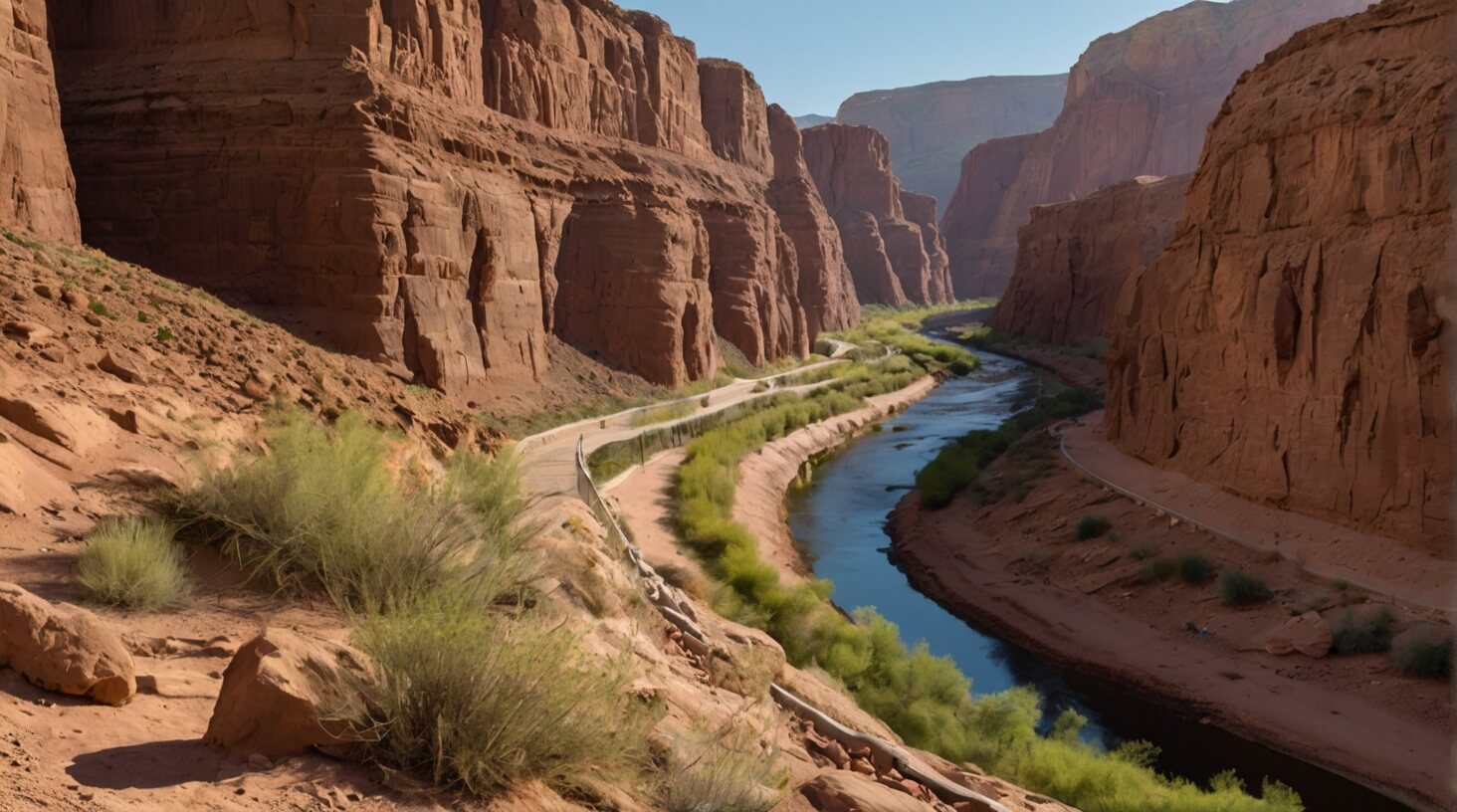
In light of the profound natural forces that have shaped the Dades Gorges, it’s crucial to examine the significant effects human activities have had on its preservation and the ongoing efforts to protect this geological marvel. Over time, local agriculture and tourism pressures have emerged as pivotal factors influencing the ecological balance and structural integrity of the area.
Local agriculture, while a lifeline for the surrounding communities, introduces challenges to the preservation efforts in Dades Gorges. The diversion of water resources for irrigation purposes can significantly alter the natural water flow, potentially affecting the erosion patterns that have sculpted the Gorges over millennia. Moreover, the use of land for farming near the Gorges edges may contribute to soil erosion, threatening the delicate balance of the ecosystem.
Tourism pressures compound the human impact on Dades Gorges. The influx of visitors, driven by the desire to explore its breathtaking landscapes, necessitates infrastructure development, including roads, trails, and facilities. However, without stringent regulations, such developments can lead to habitat disruption and increased pollution, undermining the natural beauty and geological integrity of the Gorges.
Efforts to mitigate these impacts hinge on a balanced approach that respects the freedom to explore and utilize natural resources while safeguarding the Gorges for future generations. This involves implementing sustainable tourism practices, promoting eco-friendly agriculture, and enforcing protective measures to prevent further degradation. The preservation of Dades Gorges thus requires a concerted effort from local communities, government authorities, and tourists alike, ensuring its wonders remain intact amidst the challenges posed by human activities.
Related Articles
Ecosystems Affected by Dades Gorges Geology
Peek into how Dades Gorges' unique geology shapes its vibrant ecosystems, inviting exploration into the delicate balance of life within.
Impact of Weathering on Dades Gorges
Explore how weathering shapes Dades Gorges, revealing nature's artistry and the thin line between beauty and conservation challenges.