
Lahsen
A passionate explorer weaving tales of the majestic landscapes and cultural treasures nestled within the rugged beauty of Morocco’s Dades Gorges.
The Berber Resistance
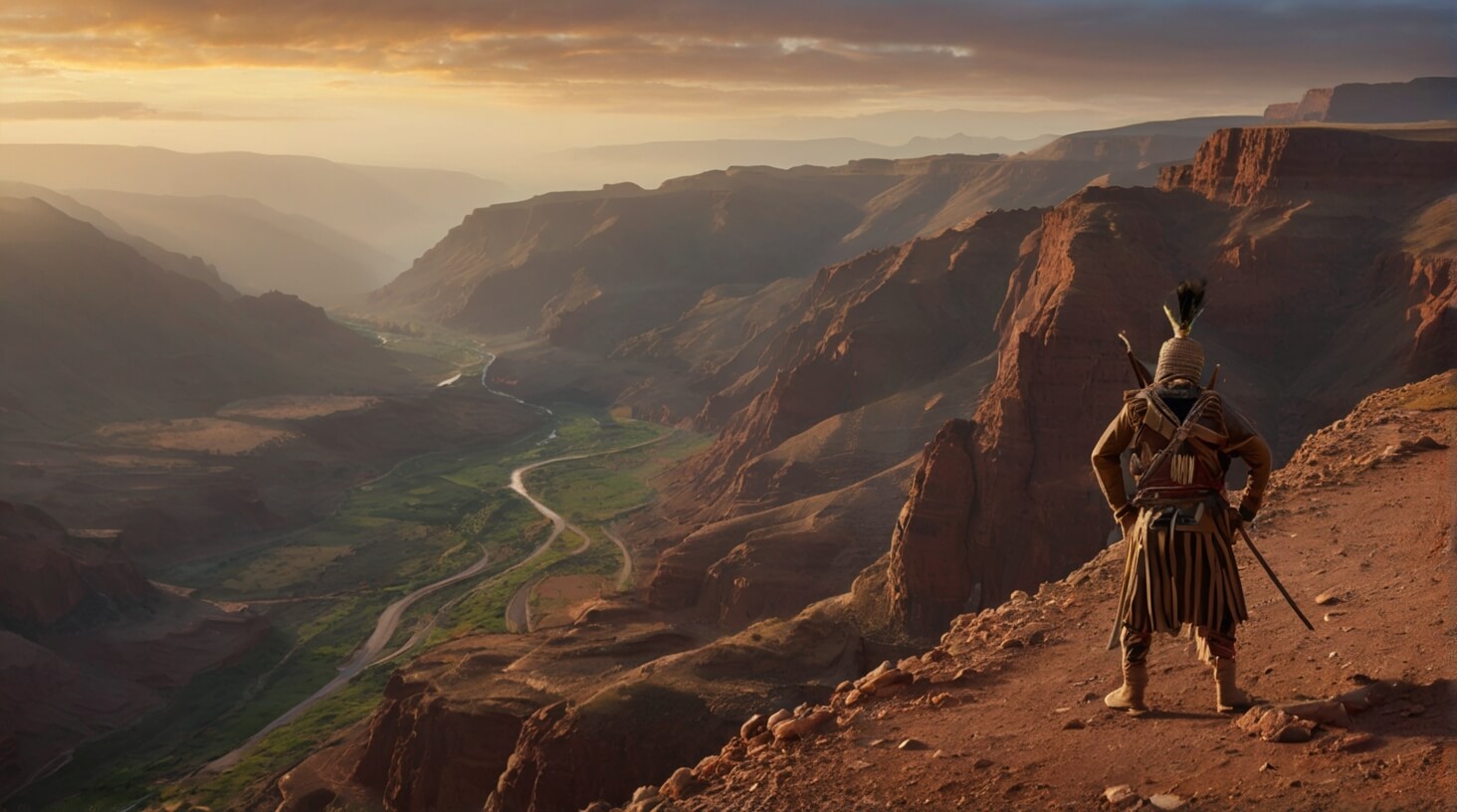
The Dades Gorges have echoed with the clash of swords and the cries of warriors more times than the stars in the sky. You’ve stumbled upon a treasure trove of history, where every turn in the serpentine gorges reveals a new chapter of bravery and strategy. From the indomitable Berber resistance to the gritty French colonial skirmishes, these battles are not just tales of conquest and defeat. They are the very fabric that has woven the rich tapestry of the region’s identity. As you stand on the precipice of uncovering these stories, you’ll find that each battle holds secrets waiting to be unlocked, promising insights into the resilience and ingenuity of the human spirit.
Examining the Berber resistance in the Dades Gorges reveals a steadfast refusal to yield to foreign dominion, showcasing a pivotal chapter in the region’s history. This narrative isn’t just about battles fought on rugged terrains; it’s a testament to cultural resilience and the power of tribal alliances.
You’d find that the Berbers of Dades Gorges didn’t just resist because they could; they did so because their way of life, their freedom, was under threat. Their resistance was not a mere reaction but a proactive assertion of identity and autonomy. Through strategic alliances among tribes, they fortified their defenses, turning the Gorges into an indomitable fortress of freedom.
Cultural resilience played a crucial role. The Berbers weren’t just fighting with weapons; they were also wielding their rich cultural heritage as a shield against assimilation. Their language, traditions, and social structures were integral to their resistance, embedding a sense of unity and purpose across the tribes.
The alliances between tribes were not merely tactical; they were a profound demonstration of solidarity. This unity in diversity was their greatest weapon. Each tribe brought its unique strengths to the table, creating a formidable force that could adapt and thrive in the face of external pressures.
Analyzing this chapter of the Berbers’ history, you’re not just uncovering a tale of resistance; you’re witnessing a narrative of empowerment. It teaches you that in the quest for freedom, it’s not just the battles that count, but the spirit with which you fight them. The Berber resistance in Dades Gorges is a powerful reminder of the strength found in unity and the enduring power of cultural identity.
Almoravid Conquest
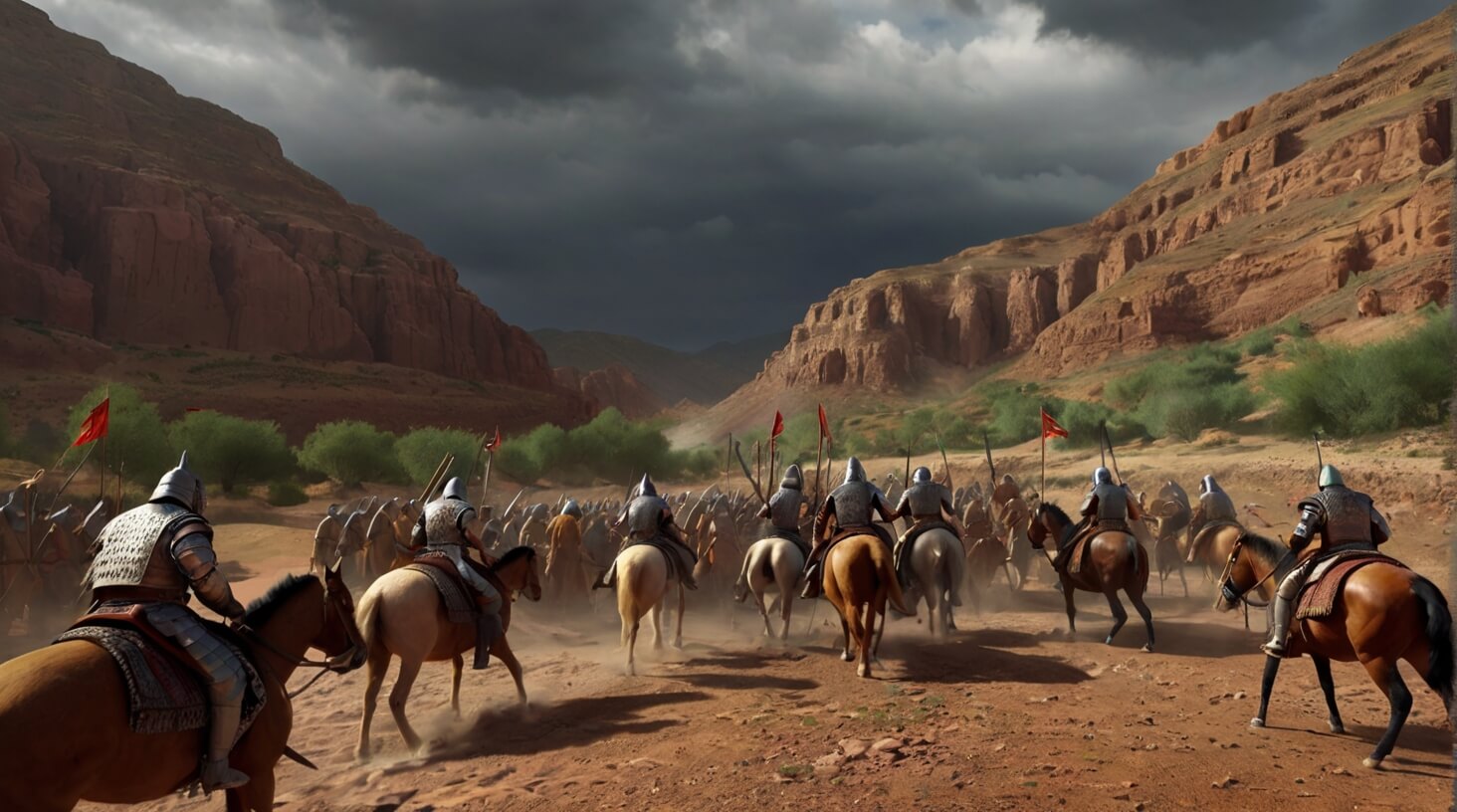
While the Berber tribes of Dades Gorges demonstrated unparalleled resilience and unity against threats to their way of life, the Almoravid conquest introduced a new era of challenges and transformations in the region. You’ll find that this period wasn’t just about military conquest; it was a time of significant cultural and religious shifts that left a lasting impact on the landscape and the people.
The Almoravids, themselves a Berber dynasty, embarked on a mission to spread their version of Islam, which led to profound religious reforms. You’d notice how their zeal for purifying the faith affected local practices, pushing for a more orthodox interpretation of Islam. This wasn’t just about prayer and belief; it seeped into every aspect of life, changing the social fabric of Dades Gorges.
Moreover, the Almoravid architectural influence reshaped the region’s skyline. Here’s what stood out:
- Construction of fortresses and military posts: These not only served as defensive structures but also as symbols of Almoravid power and control.
- Introduction of new irrigation techniques: Almoravid expertise in water management brought about agricultural advancements, bolstering the region’s economy.
- Expansion of mosques and religious schools: This reinforced the importance of Islam in daily life and education, aligning with their broader goals of religious reform.
Under the Almoravids, Dades Gorges experienced a blend of continuity and change. While the local Berber identity remained strong, the impositions of new religious and architectural norms marked the beginning of a transformative era, setting the stage for the complex historical tapestry the region is known for today.
The Saadian Dynasty’s Stand
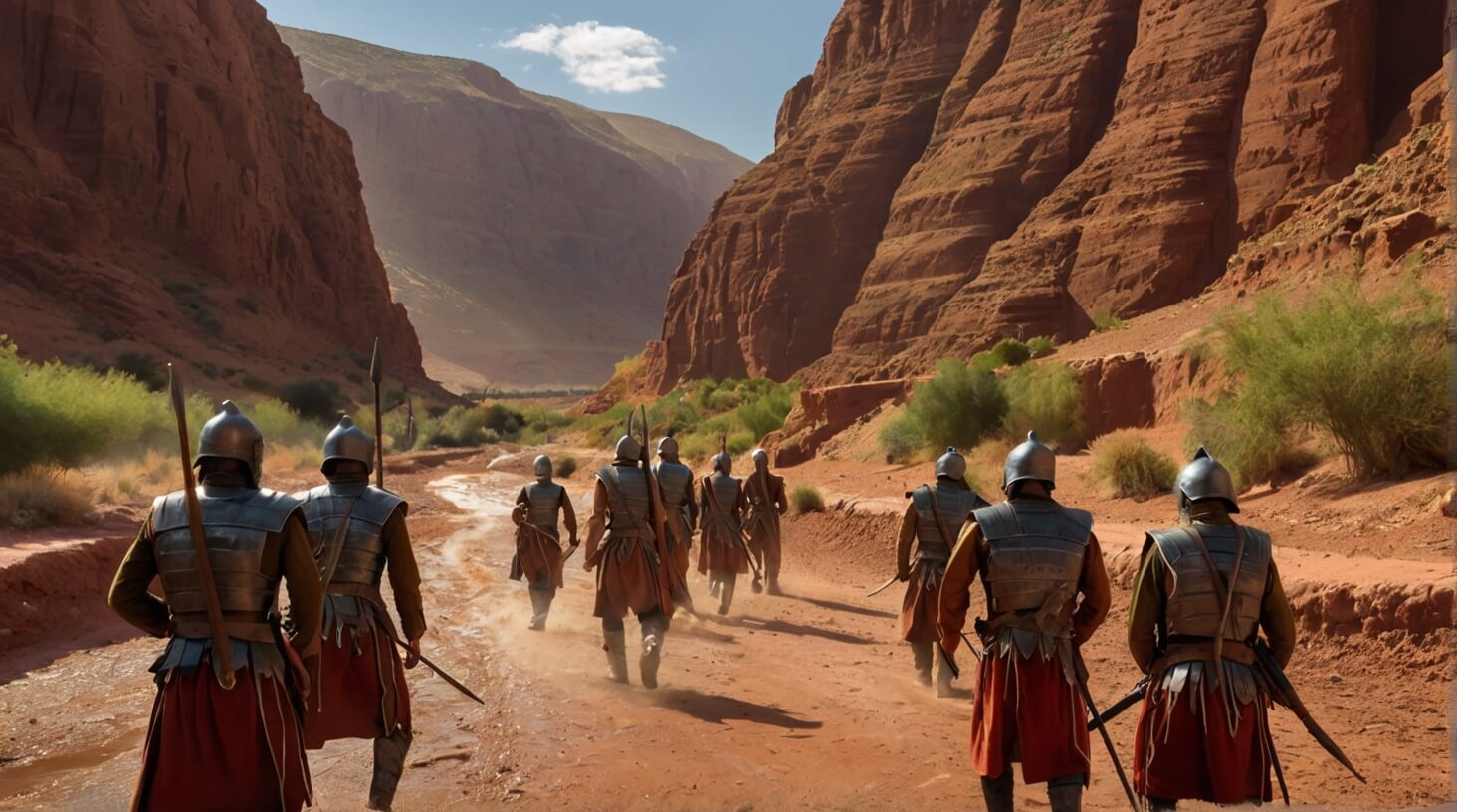
The Saadian Dynasty, emerging in the 16th century, marked a pivotal era for Dades Gorges, ushering in strategic military victories and profound cultural revitalization. You’ll find, during this time, the Saadians didn’t just focus on expanding their empire; they significantly enhanced trade routes and left a lasting impact through Saadian architecture, which still whispers tales of their grandeur and strategic acumen.
| Aspect | Details | Impact on Dades Gorges |
| Military Might | Leveraged strategic location for defense and control. | Ensured sovereignty and peace. |
| Trade Routes | Expanded and secured vital trade links. | Boosted economy and connectivity. |
| Saadian Architecture | Introduced sophisticated architectural techniques. | Beautified and fortified the region. |
The Saadians’ mastery in architecture wasn’t just about aesthetics; it was a statement of power, a symbol of stability, and a beacon for cultural renaissance. Their fortifications along Dades Gorges served dual purposes: protecting the trade routes vital for the prosperity of their realm and asserting their dominance over the region.
Moreover, by securing and enhancing these trade routes, the Saadians didn’t only enrich themselves but also facilitated a flow of ideas, goods, and cultures, connecting Dades Gorges to the broader world. This era of prosperity under the Saadian rule brought about a sense of freedom, not just in terms of economic liberation but also in the cultural exchanges that flourished.
As you delve into the history of Dades Gorges under the Saadian Dynasty, it’s evident that their stand wasn’t merely about territorial control. It was a comprehensive strategy that encompassed military, economic, and cultural dimensions, crafting a legacy that resonates to this day.
French Colonial Skirmishes

Building on the rich legacy left by the Saadian Dynasty, Dades Gorges soon faced new challenges with the onset of French colonial skirmishes in the region. You might wonder how these confrontations unfolded and what implications they held for the local populace striving for freedom. The French, armed with elaborate military strategies, sought to cement their control, altering the socio-political landscape significantly. Here’s an analytical look into the skirmishes that marked this era:
- Advanced Military Tactics: The French utilized superior weaponry and strategic fortifications, aiming to suppress any form of resistance. Their approach wasn’t just brute force; it involved psychological warfare and divide-and-rule tactics to weaken local alliances.
- Resistance Movements: The indigenous people, inspired by their desire for autonomy, employed guerrilla tactics, leveraging their intricate knowledge of the terrain. Their resistance was a testament to their resilience and unyielding spirit in the face of colonial impact.
- Colonial Impact: Beyond the immediate military confrontations, the French colonial presence brought about significant changes in governance, economy, and culture. While introducing modern infrastructure, it also disrupted traditional lifestyles, leading to a complex legacy of progress and exploitation.
Analyzing these skirmishes, you grasp the nuanced dynamics between colonial powers and indigenous resistance. The military strategies employed by the French were met with spirited defiance, underscoring a clash of ideologies rooted in the desire for freedom. The colonial impact, though mixed, left an indelible mark on Dades Gorges, shaping its path towards the future.
The 1933 Rebellion
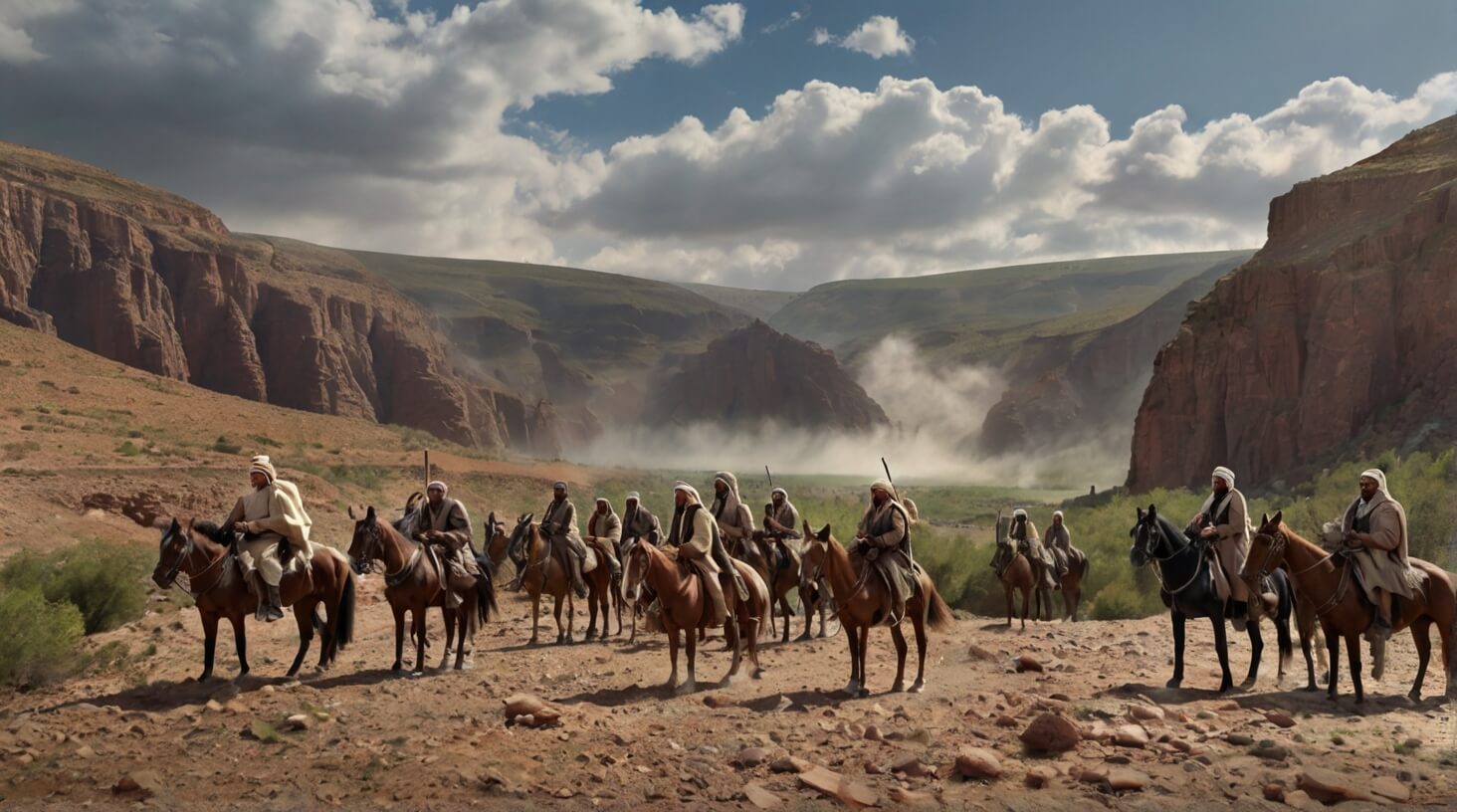
Dades Gorges’ 1933 Rebellion marked a pivotal moment, as local resistance intensified against French colonial rule, showcasing a strategic shift in the fight for autonomy. Rebel leaders, understanding the terrain’s advantage, employed guerrilla tactics that baffled the French forces. These tactical strategies weren’t just about engaging in combat; they were deeply rooted in the psychology of resistance, aiming to inspire a broader movement for freedom.
The rebels, adept in navigating the rugged landscapes of Dades Gorges, executed ambushes and hit-and-run tactics that maximized their mobility and minimized their vulnerabilities. This approach allowed them to strike swiftly and vanish before the French could mount a coordinated response. The rebel leaders’ deep knowledge of the local geography played a crucial role in these operations, turning the natural environment into a formidable ally.
Moreover, the rebel leaders fostered a sense of unity and purpose among their ranks, which was instrumental in sustaining the rebellion. They understood that the struggle was not just against an external oppressor but also for the dignity and self-determination of their people. This message resonated across Dades Gorges, galvanizing support and drawing more fighters to their cause.
The 1933 Rebellion in Dades Gorges is a testament to the power of tactical ingenuity and leadership in the face of overwhelming odds. It reminds you that the quest for freedom often demands both courage and cunning, and that even in the darkest times, there exists the potential to challenge tyranny and aspire for a better future.
Related Articles
Evolution of Society in Dades Gorges
Step into Dades Gorges' evolving society, where ancient traditions and modern changes weave a compelling story of cultural transformation.
Traditional Music Origins in Dades Gorges
Discover the beating heart of Dades Gorges through its traditional music, where ancient rhythms meet modern influences.
Impact of Geography on Dades Gorges Culture
Uncover how Dades Gorges' dramatic landscapes shape its unique cultural identity, influencing everything from architecture to festivals.