
Lahsen
A passionate explorer weaving tales of the majestic landscapes and cultural treasures nestled within the rugged beauty of Morocco’s Dades Gorges.
Historical Roots of Kasbahs
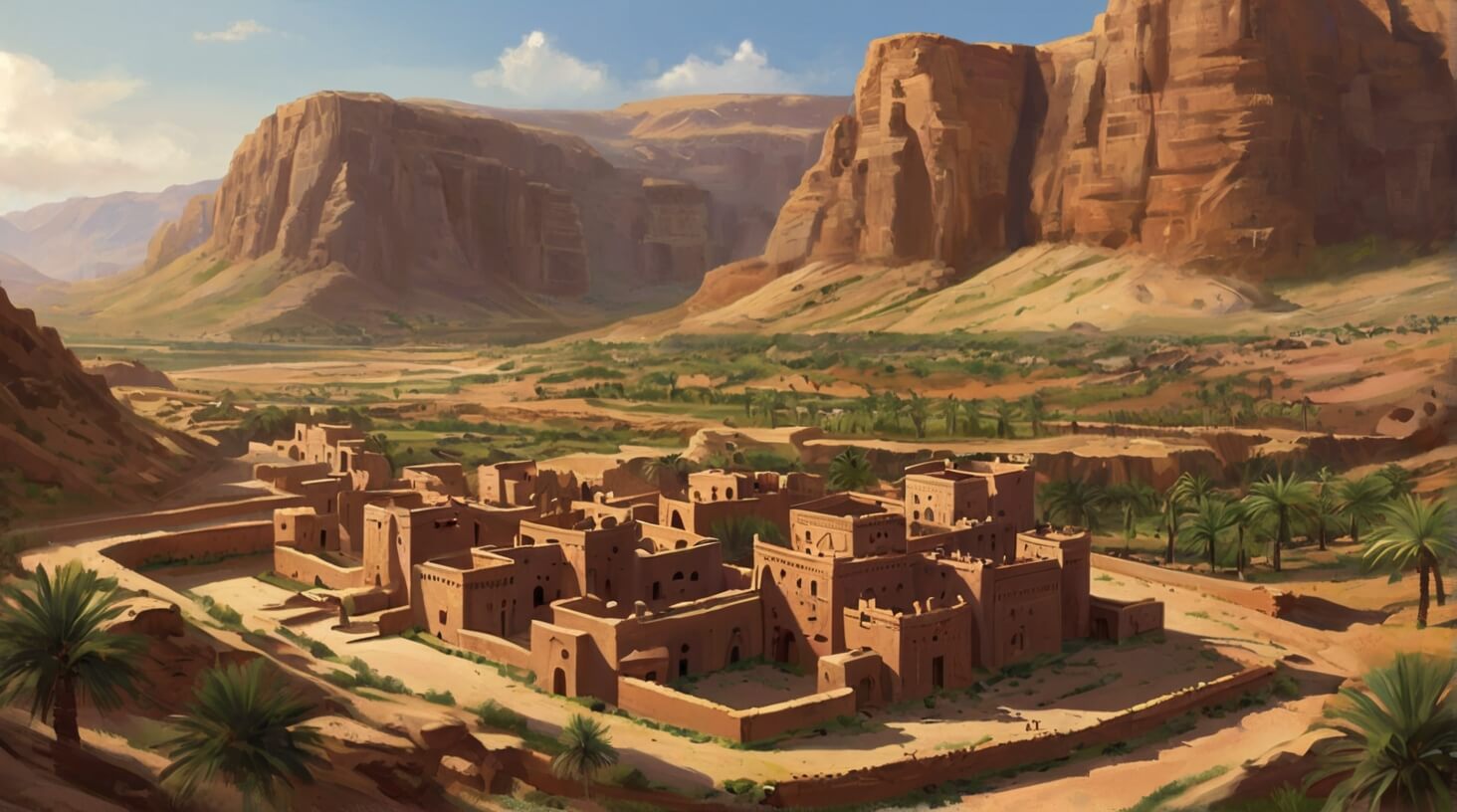
Nearly 90% of tourists visiting the Dades Gorges are captivated by its unique architectural landscape, a testament to its cultural significance. You’re likely familiar with the striking visuals of kasbahs and ksars that dot the region, but have you ever pondered the stories these structures tell? From the ancient Berber building techniques to the symbolism etched in stone and earth, each element holds a narrative waiting to be uncovered. As we explore these architectural marvels, consider how they’re not just relics of the past but living embodiments of tradition and resilience, inviting you to ponder their place in preserving cultural identity.
Kasbahs, as enduring symbols of resilience and architectural ingenuity, have roots deeply entrenched in the social and defensive exigencies of historical Berber communities. These fortified structures, often constructed from the very earth on which they stand, embody a profound connection to the land and an ingenious adaptation to the harsh environments of North Africa. You’ll find that kasbahs were not merely homes but pivotal in the orchestration of trade routes and military strategy, serving as bastions of commerce and guardians of the valuable caravans that traversed the desert.
The strategic placement of kasbahs along ancient trade routes enabled them to act as crucial nodes in a vast network of commerce that connected the African interior with the Mediterranean and beyond. This wasn’t just about economics; it was a matter of survival. Control over these routes meant access to wealth, information, and power. The kasbahs’ towering walls and robust fortifications speak to their role in military strategy, offering protection against invaders and serving as a refuge for the community in times of conflict.
Analyzing the kasbahs from an ethnographic lens, you’ll discover that they are more than architectural achievements; they are a testament to the Berber’s deep understanding of their environment and their ability to thrive within it. Through their design and function, kasbahs facilitated not only the flow of goods but also the exchange of cultures and ideas, cementing their place in the history and heart of Berber society. In your quest for freedom, understanding the kasbah is to appreciate the resilience and ingenuity that freedom demands.
Ksars: Architectural Marvels

While kasbahs stand as enduring symbols of resilience within Berber culture, ksars represent another layer of architectural marvel, embodying community life and collective security in their design. You’ll find these granaries and fortified villages perched atop hills, their earthen architecture blending seamlessly with the landscape, a testament to a symbiotic relationship between the people and their environment.
Ksars restoration projects have become pivotal in preserving these historical sites. You’re witnessing a revival, where restoration efforts not only aim to conserve the physical structure but also breathe life into the ancient communal spirit that ksars represent. This delicate balance between preservation and modernization underscores the community’s resilience, ensuring that ksars remain not just relics of the past but living symbols of a rich cultural heritage.
The impacts of tourism on ksars cannot be overstated. As you explore these architectural marvels, you’re part of a growing awareness and appreciation for Berber culture. However, this influx of visitors brings a double-edged sword. On one hand, it fosters economic opportunities, encouraging local communities to invest in the preservation of their ksars. On the other, it poses challenges to maintaining the authenticity and integrity of these sites. Responsible tourism, therefore, becomes crucial. It’s about experiencing these marvels while respecting their cultural significance and supporting sustainable practices that ensure ksars can be appreciated by future generations.
In understanding ksars, you’re delving into a world where architecture is more than just buildings. It’s a reflection of communal life, security, and the enduring spirit of the Berber people, inviting you to appreciate the freedom woven into the very fabric of their culture.
Berber Building Techniques

Exploring Berber building techniques unveils a rich tapestry of ingenuity and adaptation, deeply rooted in the cultural and environmental landscapes of North Africa. You’ll find that Berbers have long mastered the art of creating structures that not only withstand the harsh desert climate but also embody a deep respect for their natural surroundings through sustainable material sourcing and innovative construction methods.
| Aspect | Description | Impact |
| Material Sourcing | Local materials such as mud, stone, and palm wood. | Reduces environmental footprint and enhances structural integration with the landscape. |
| Construction Challenges | Extreme temperatures and scarce water supply. | Promotes inventive cooling techniques and water conservation practices. |
| Design Philosophy | Communal living spaces and fortification elements. | Fosters community cohesion and protection against invaders. |
| Roofing Techniques | Flat roofs made with mud and supported by palm beams. | Facilitates rainwater harvesting and provides additional living space. |
| Walls | Thick mud or stone walls with minimal openings. | Offers insulation against heat and cold, preserving internal temperature. |
These techniques demonstrate not only a profound understanding of the challenges posed by the North African environment but also a commitment to freedom through self-sufficiency and resilience. By sourcing materials locally, Berber builders minimize their reliance on distant markets, ensuring that their communities can sustain themselves independently. Moreover, the construction challenges they face have led to a culture of innovation, where every building decision is a testament to their ability to adapt and thrive in a landscape that many would find unforgiving. It’s this blend of practicality and independence that has allowed Berber architecture not just to survive but to flourish, offering lessons in sustainability and autonomy that resonate far beyond the Dades Gorges.
Symbolism in Stone and Earth

Delving into the Berber architecture of the Dades Gorges reveals a profound layer of symbolism, where every stone and swath of earth carries cultural narratives deeply embedded in the community’s identity. You’ll find that the builders didn’t just erect structures; they wove a rich tapestry of beliefs and values into the very fabric of their creations. The use of geometric motifs isn’t merely for aesthetic pleasure but resonates with the community’s philosophy and cosmology, offering a glimpse into a worldview where harmony and balance prevail.
The natural integration of the architecture within the rugged landscape of the Dades Gorges isn’t an accident. It’s a deliberate choice, reflecting a deep respect for the land and an understanding of humanity’s place within the natural world. This integration goes beyond physical appearance, imbuing the structures with a sense of belonging that’s both palpable and profound. You’re not just looking at buildings; you’re witnessing a dialogue between culture and nature that has been ongoing for centuries.
These structures, with their earthen colors that seem to rise organically from the ground, and their geometric patterns mirroring the stars above, speak of a people who’ve found their freedom not by dominating their environment but by becoming an integral part of it. This architectural tradition, rich in symbolism and grounded in a philosophy of coexistence, offers valuable insights into how freedom can be conceived not as isolation, but as interconnectedness and mutual respect.
Preserving Tradition Through Architecture

The architecture of Dades Gorges serves not only as a testament to the community’s ingenuity but also as a vessel for preserving its ancestral traditions and cultural identity. You’re embarking on a journey where every structure tells a story, intertwining the past with the present, highlighting a community’s dedication to keeping their heritage alive amid modern influences and sustainability challenges.
As you delve deeper, you’ll notice how the traditional Kasbahs and Ksars, with their earthen construction, stand resilient against the test of time and the encroachment of modernity. These architectural marvels aren’t just homes; they’re a declaration of identity, a resistance against the homogenization that often accompanies globalization. It’s a battle, not with weapons, but with bricks and mortar, wisdom and traditions.
The integration of modern influences while maintaining the essence of traditional architecture showcases a community’s adaptability. Yet, it’s not without its sustainability challenges. The delicate balance between preserving the old and embracing the new demands innovation, a deep understanding of ecological balance, and a commitment to sustainability principles. You’re witnessing a community’s effort to ensure their architectural practices don’t just survive but thrive, contributing to a sustainable future.
This approach to preserving tradition through architecture encourages a dialogue between generations, ensuring that the wisdom of the ancestors isn’t lost but is instead passed down, adapted, and revered. It’s a testament to the strength and resilience of the Dades Gorges community, a vivid reminder that in their quest for freedom, they’ve found a way to anchor themselves firmly to their roots while navigating the winds of change.
Related Articles

Preservation of History in Dades Gorges
Traversing the timeless beauty of Dades Gorges, uncover how its preservation battles against modern threats, inviting a reflection on its future legacy.

Traditional Clothing Styles of Dades Gorges
Uncover the vibrant traditional clothing styles of Dades Gorges, where each piece tells a unique story of heritage and craftsmanship.

Historical Battles Fought in Dades Gorges
Step into Dades Gorges, where historical battles whisper tales of bravery and strategy, leaving secrets of the past just waiting to be unveiled.