Culture
Culture
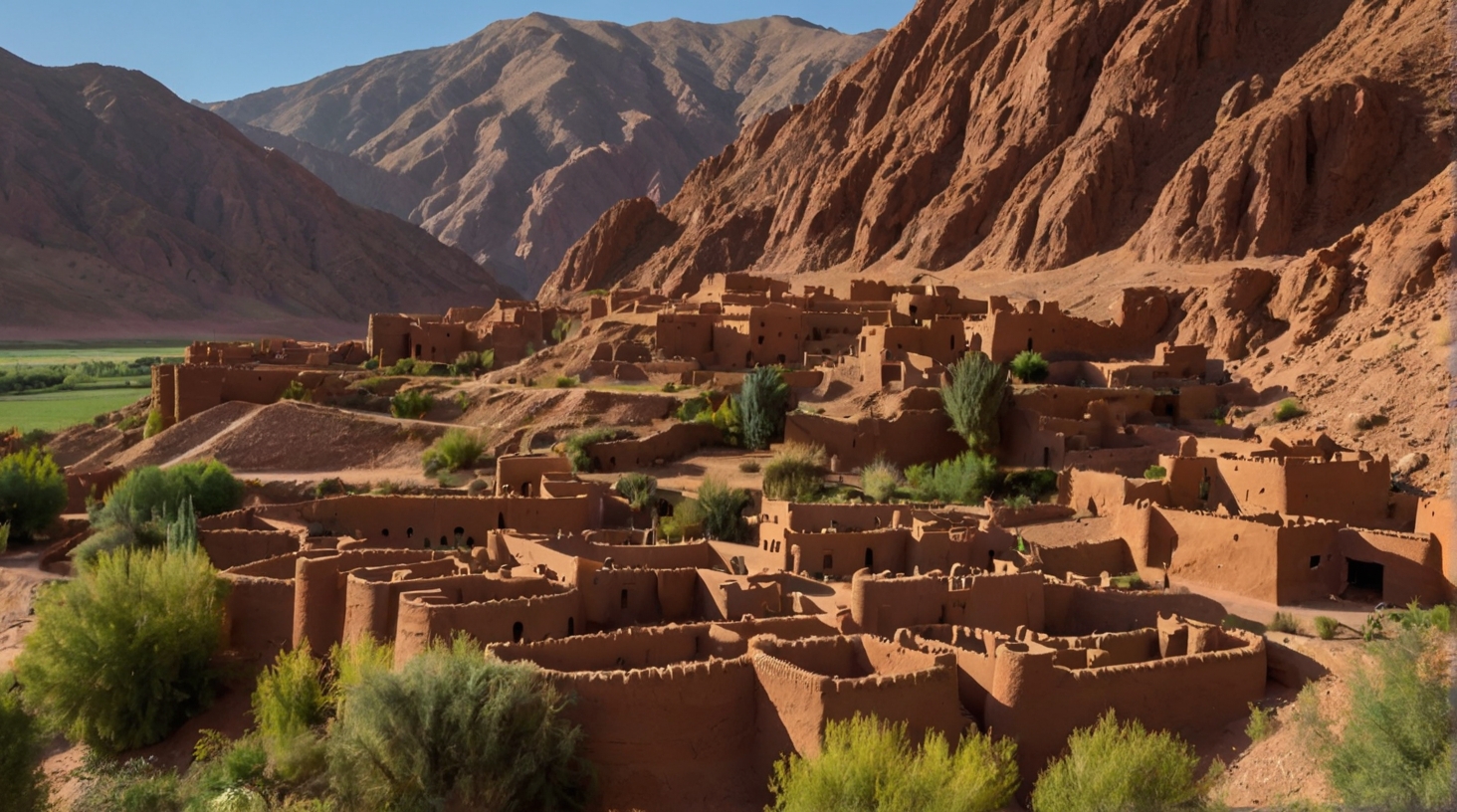
The Dades Valley, located in the High Atlas Mountains of Morocco, has been inhabited for thousands of years, with evidence of human presence dating back to prehistoric times. The culture of the Dades Valley has been shaped by various historical influences, including indigenous Berber traditions, Islamic conquests, and interactions with neighboring cultures.
1. **Berber Heritage**: The indigenous Berber people have inhabited North Africa, including the Dades Valley region, for millennia. Berber culture is characterized by its distinctive language, Tamazight, as well as its traditional customs, music, and architecture. Berbers have historically practiced agriculture, animal husbandry, and trade in the region.
2. **Islamic Influence**: With the Islamic conquest of North Africa in the 7th century, the Dades Valley, like much of Morocco, gradually adopted Islam as its dominant religion and culture. Islamic traditions and values became integrated into local customs, shaping various aspects of daily life, including religious practices, governance, and art.
3. **Historical Significance**: The Dades Valley has played a strategic role throughout history due to its location along trade routes connecting the Sahara Desert with the Mediterranean coast. Its fertile valleys and oases provided crucial resources for traders and travelers crossing the region, leading to the establishment of settlements and fortifications along these routes.
4. **Architecture**: Traditional Berber architecture in the Dades Valley is characterized by its use of local materials such as adobe, stone, and palm wood. Kasbahs, fortified mud-brick structures, dot the landscape and serve as symbols of the region’s cultural heritage. These structures often feature intricate geometric patterns and decorations influenced by Islamic art.
5. **Cultural Practices**: The cultural practices of the Dades Valley reflect a blend of Berber traditions and Islamic customs. Festivals, music, and storytelling are important aspects of community life, providing opportunities for socialization and the preservation of cultural identity. Traditional Berber clothing, cuisine, and craftsmanship also contribute to the richness of the region’s cultural heritage.
6. **Modern Challenges**: In recent years, the Dades Valley has faced challenges such as environmental degradation, economic changes, and cultural globalization. Efforts to preserve and promote traditional Berber culture have been undertaken through initiatives aimed at sustainable tourism, cultural education, and community development.
Overall, the culture of the Dades Valley is a testament to the resilience and adaptability of its people in the face of historical changes and contemporary challenges, while still maintaining strong connections to their rich cultural heritage.
Traditions
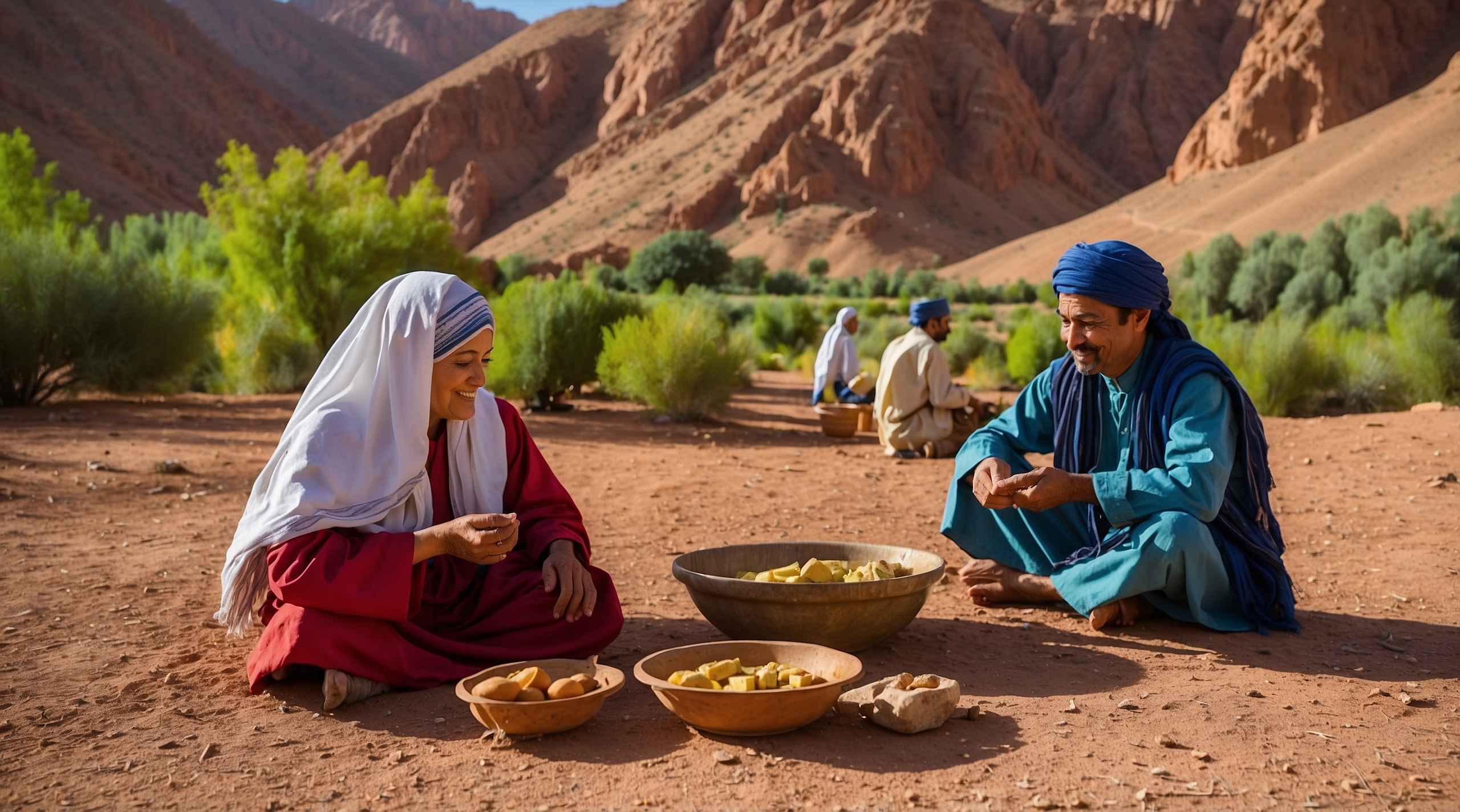
The Dades Valley, also known as the Dades Gorges or Dadès Gorges, is a stunning geological formation located in the High Atlas Mountains of Morocco. The valley is renowned for its breathtaking landscapes, rugged terrain, and rich cultural heritage. The traditions of the Dades Valley are deeply rooted in Berber culture, as the region has been inhabited by Berber tribes for centuries. Here’s a brief overview of the history and traditions of the Dades Valley:
1. **Berber Heritage**: The Dades Valley has been inhabited by Berber tribes for thousands of years. The Berbers are indigenous people of North Africa, known for their distinct language, customs, and traditions. They have a rich oral tradition, passing down stories, legends, and customs from generation to generation.
2. **Agricultural Practices**: Agriculture has long been a way of life in the Dades Valley. Despite the harsh and arid environment, Berber communities have developed sophisticated irrigation systems, including terraced fields and falaj (underground water channels), to cultivate crops such as wheat, barley, fruits, and vegetables.
3. **Nomadic Pastoralism**: In addition to agriculture, many Berber families in the Dades Valley traditionally practiced nomadic pastoralism, herding sheep, goats, and camels. Nomadic tribes would move seasonally with their livestock in search of grazing land, water sources, and shelter. This lifestyle played a significant role in shaping the cultural identity of the region.
4. **Cultural Celebrations and Festivals**: The Berber people of the Dades Valley celebrate a variety of cultural festivals and events throughout the year. These festivities often involve music, dance, traditional attire, and culinary delights. One of the most famous festivals is the Imilchil Marriage Festival, where Berber tribes gather to celebrate and arrange marriages.
5. **Architecture and Craftsmanship**: The architecture of the Dades Valley reflects the traditional building techniques and materials used by the Berber people. Many homes and structures are constructed from local materials such as mud, stone, and wood, blending harmoniously with the natural surroundings. Berber artisans are also known for their craftsmanship, producing intricate carpets, textiles, pottery, and jewelry.
6. **Hospitality and Community Bonding**: Hospitality is a cornerstone of Berber culture, and visitors to the Dades Valley can expect warm welcomes and generous hospitality from local residents. Sharing meals, stories, and experiences fosters a sense of community and strengthens social bonds within Berber families and villages.
Overall, the traditions of the Dades Valley are deeply intertwined with the natural environment, reflecting the resilience, resourcefulness, and cultural richness of the Berber people who call this region home. Despite modernization and changing times, many of these traditions continue to be cherished and passed down through generations, preserving the unique heritage of the Dades Valley.
Festivals
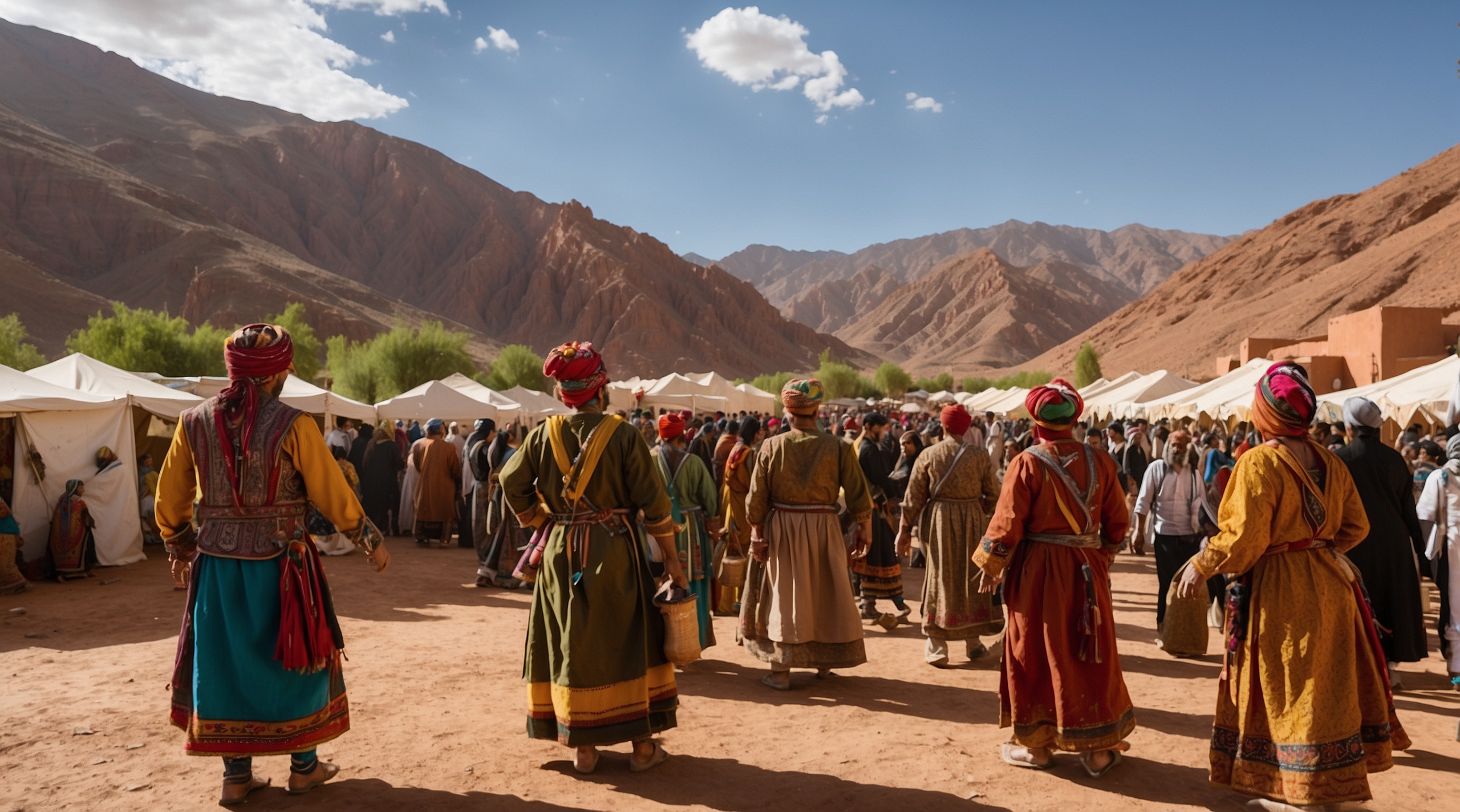
The Dades Valley, also known as the Valley of the Roses, is located in the High Atlas Mountains of Morocco. The festivals held in this region are often tied to the local culture, traditions, and natural phenomena. While specific information about festivals in the Dades Valley may vary depending on the sources and the communities involved, here is a general overview of the types of festivals that might be celebrated in the region:
1. **Rose Festival**: The most famous festival in the Dades Valley is the Rose Festival, celebrated annually in May. This festival typically coincides with the blooming of the Damask roses that are cultivated in the valley. During the festival, locals and visitors come together to celebrate the rose harvest with music, dancing, parades, and various cultural activities. The festival often includes the crowning of a Rose Queen, traditional music performances, rose picking competitions, and the preparation of rose-based products such as rose water and rose oil.
2. **Amazigh Festivals**: The Berber or Amazigh people are the indigenous inhabitants of North Africa, including Morocco. Throughout the year, various Amazigh festivals are celebrated in the Dades Valley, highlighting different aspects of their culture, including music, dance, food, and traditional crafts. These festivals often coincide with significant events in the agricultural calendar, such as harvest festivals or celebrations marking the beginning of the planting season.
3. **Eid al-Fitr and Eid al-Adha**: As in the rest of Morocco, the Islamic festivals of Eid al-Fitr (celebrated at the end of Ramadan) and Eid al-Adha (celebrated during the Hajj pilgrimage) are important occasions in the Dades Valley. During these festivals, families come together to pray, feast, exchange gifts, and engage in charitable activities. Markets may be particularly lively during these times, with people shopping for new clothes, food, and gifts.
4. **Cultural and Arts Festivals**: In recent years, there has been a growing interest in organizing cultural and arts festivals in various parts of Morocco, including rural areas like the Dades Valley. These festivals often feature a diverse range of activities, including live music performances, art exhibitions, theater productions, film screenings, workshops, and seminars. They aim to promote local talent, foster cultural exchange, and attract tourists to the region.
Overall, festivals in the Dades Valley are an integral part of the local culture and heritage, providing opportunities for communities to come together, celebrate their traditions, and share their way of life with visitors from around the world. Each festival carries its own unique significance, reflecting the rich diversity and history of the region.
Architecture
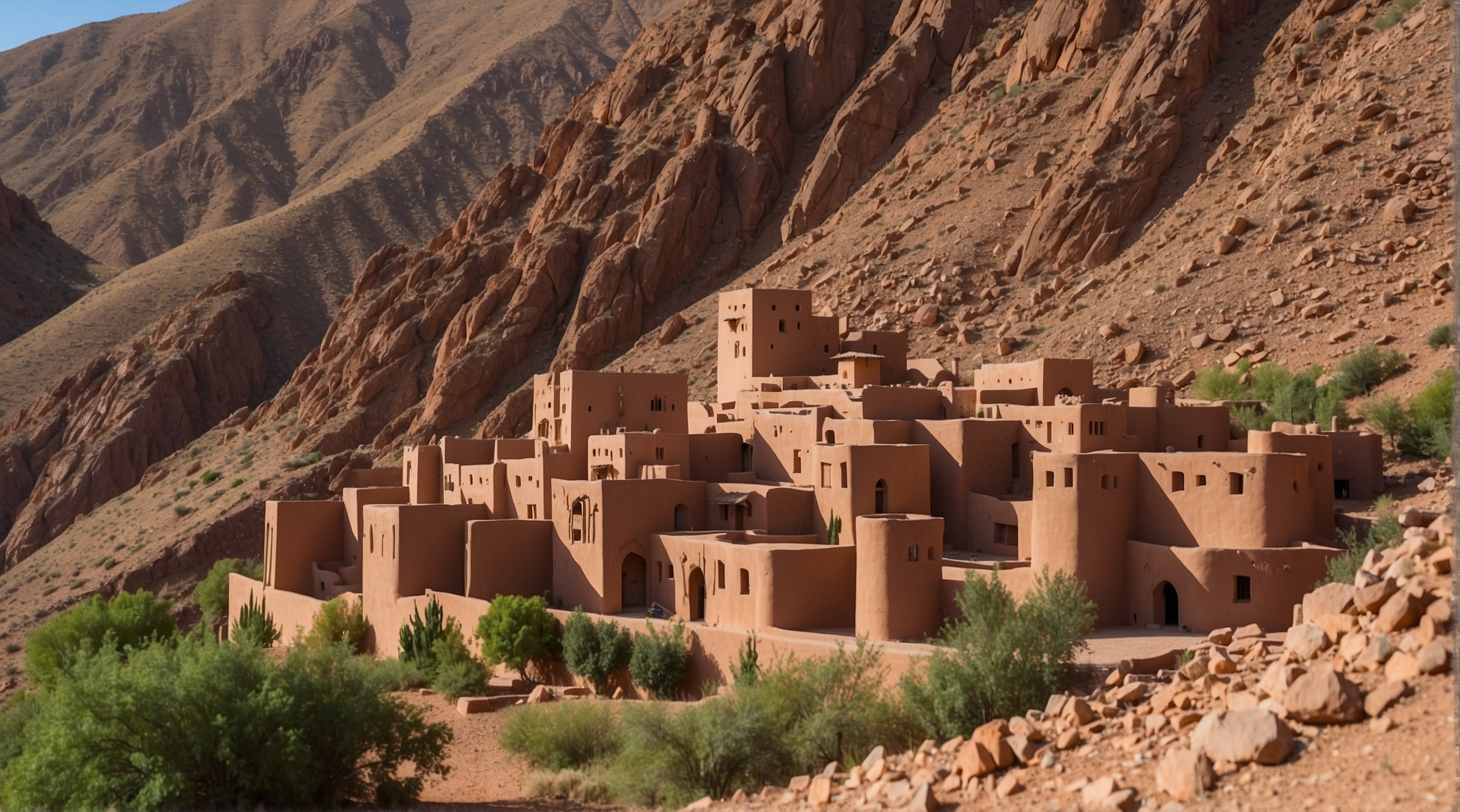
The Dades Valley, located in the High Atlas Mountains of Morocco, boasts a rich architectural heritage shaped by its unique geographic and cultural context. While I don’t have specific details on the entire history of Dades Valley architecture, I can provide you with an overview based on general knowledge of Moroccan architecture and the context of the region.
1. Berber Influence: The architecture of the Dades Valley, like much of Morocco, has been influenced significantly by the indigenous Berber people who have inhabited the region for centuries. Berber architecture often utilizes local materials such as adobe, stone, and wood, blending harmoniously with the natural landscape.
2. Traditional Berber Dwellings: Historically, Berber dwellings in the Dades Valley were typically constructed using mud-brick (adobe) or stone. These structures often featured flat roofs, small windows, and thick walls to provide insulation against the region’s harsh climate, including hot summers and cold winters.
3. Kasbahs and Ksour: Throughout the Dades Valley and surrounding areas, you can find kasbahs and ksour, fortified villages or citadels built primarily from rammed earth and mud-brick. These structures served as defensive strongholds against external threats and often housed multiple families or served as trading posts along ancient caravan routes.
4. Architectural Features: Traditional Dades Valley architecture is characterized by its simplicity, functionality, and use of local materials. Decorative elements such as geometric patterns, ornate wooden carvings, and colorful tiles are common, reflecting Berber artistic traditions and Islamic design influences.
5. Adaptation to Environment: The architecture of the Dades Valley reflects a deep understanding of the local environment and climate. Buildings are designed to maximize natural ventilation, minimize solar heat gain, and conserve water resources. Flat roofs are often used for rainwater harvesting, with cisterns or underground storage systems to collect and store water for household use.
6. Contemporary Trends: While traditional Berber architecture still exists in the Dades Valley, contemporary influences and modern building techniques have also made their mark. In recent years, there has been a growing interest in sustainable and eco-friendly construction practices, with some architects and designers incorporating traditional techniques with modern innovations to create environmentally sensitive and culturally authentic buildings.
Overall, the architecture of the Dades Valley reflects a rich tapestry of cultural heritage, environmental adaptation, and artistic expression, making it a fascinating subject of study and exploration.
Local Cuisine
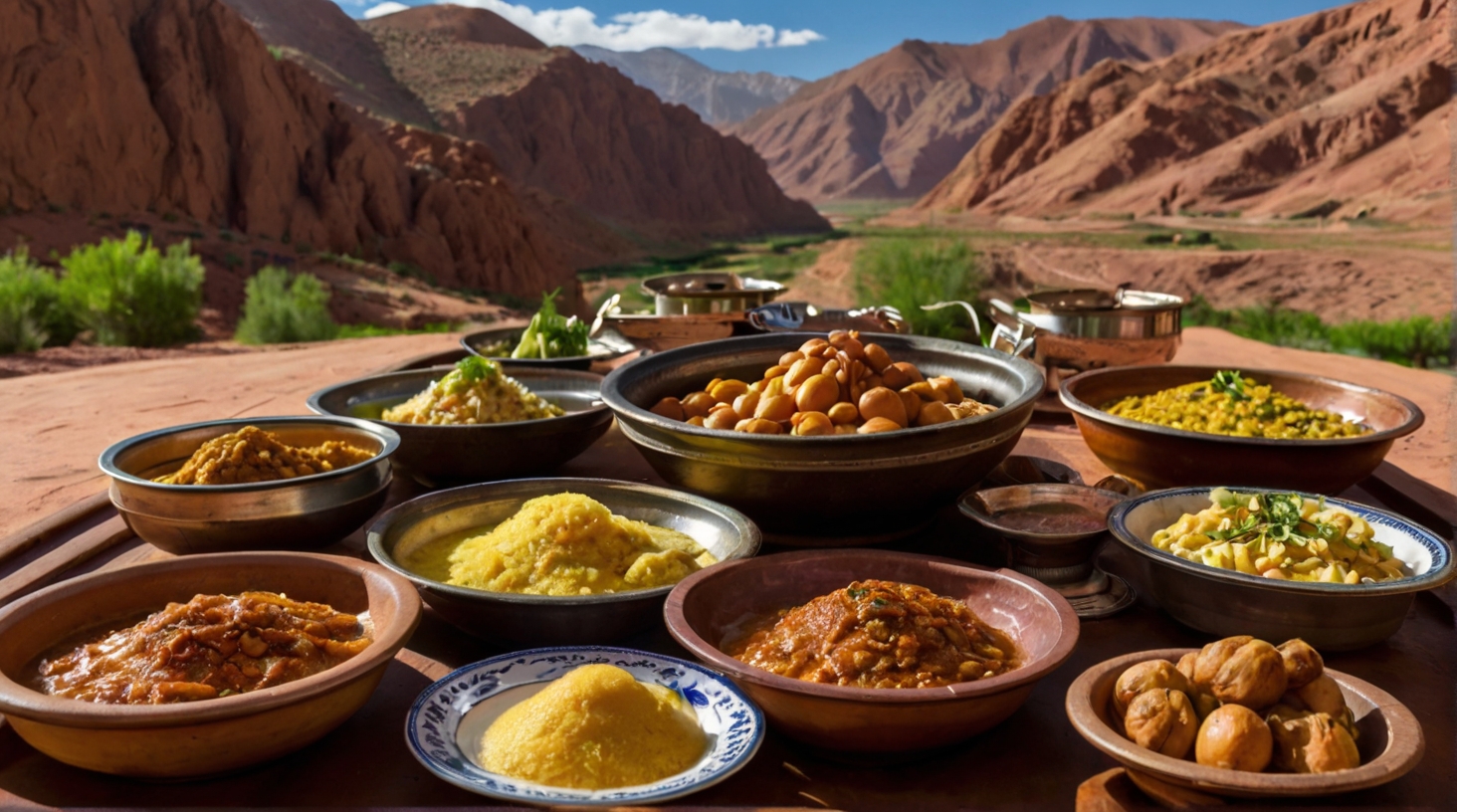
The Dades Valley, located in the High Atlas Mountains of Morocco, boasts a rich culinary tradition that reflects the region’s history, geography, and cultural influences. Here’s an overview of the history of Dades Valley local cuisine:
1. **Geographical Influence**: The Dades Valley is characterized by its rugged terrain, fertile oases, and the Dades River, which flows through the valley. The geography of the region plays a significant role in shaping the local cuisine, as it determines the types of ingredients that are readily available.
2. **Berber Heritage**: The Berber people are indigenous to North Africa, including Morocco, and have inhabited the region for thousands of years. Their traditional culinary practices heavily influence the cuisine of the Dades Valley. Berber cuisine emphasizes the use of locally sourced ingredients such as grains, vegetables, fruits, and dairy products.
3. **Nomadic Traditions**: Historically, many Berbers in the Dades Valley were semi-nomadic or pastoralists, relying on livestock for sustenance. As a result, meat, particularly lamb and goat, features prominently in Dades Valley cuisine. Traditional Berber dishes like tagine (slow-cooked stews), couscous, and mechoui (whole roasted lamb or goat) are common in the region.
4. **Influence of Arab and Andalusian Cultures**: Over the centuries, Morocco has been influenced by various civilizations, including the Arabs and the Andalusians. These influences have left their mark on Moroccan cuisine, including that of the Dades Valley. Spices such as cumin, coriander, cinnamon, and saffron are integral to many dishes, adding depth and complexity to the flavors.
5. **Incorporation of Local Ingredients**: The Dades Valley’s fertile oases support the cultivation of a variety of fruits and vegetables, including dates, olives, figs, almonds, and citrus fruits. These ingredients are frequently used in both savory and sweet dishes. Dates, in particular, are a staple of the region and are often incorporated into desserts or enjoyed on their own.
6. **Culinary Traditions and Festivals**: Throughout the year, various culinary traditions and festivals take place in the Dades Valley, celebrating the harvest seasons and local specialties. These events provide an opportunity for communities to come together, share meals, and preserve traditional cooking methods and recipes.
7. **Modern Influences**: While traditional dishes remain popular, modern influences such as tourism and globalization have also impacted the culinary landscape of the Dades Valley. Visitors to the region may find a blend of traditional Berber cuisine with international flavors and cooking techniques.
Overall, the cuisine of the Dades Valley reflects the region’s rich history, cultural diversity, and the bounty of its natural surroundings. It continues to evolve while maintaining its deep-rooted traditions and flavors.