Geology
Formation
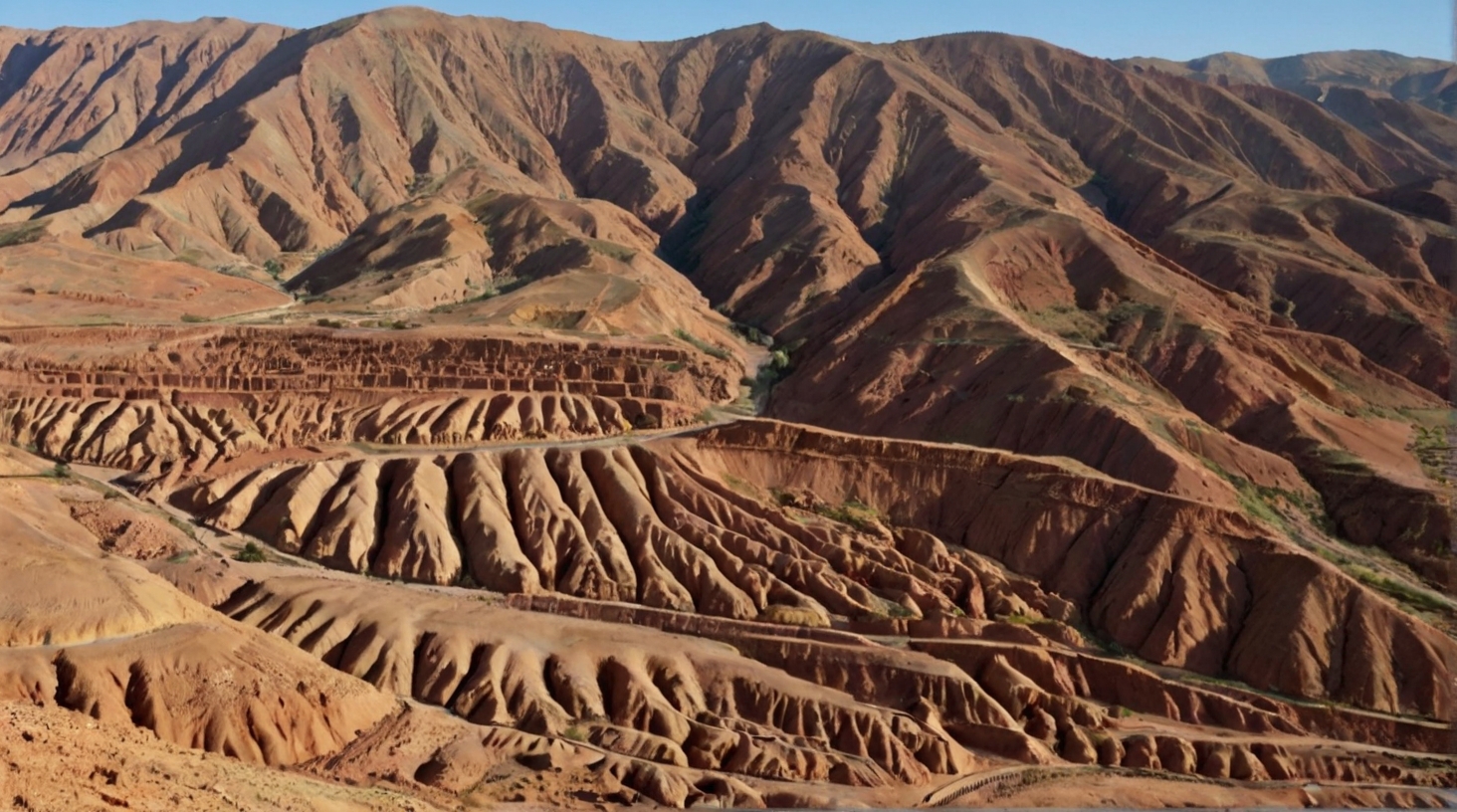
The Dades Valley was formed over millions of years through the erosive forces of water and wind. The region’s unique geology, characterized by sedimentary rock formations, has been sculpted into dramatic landscapes, including deep canyons, towering cliffs, and narrow gorges. The Dades River, which flows through the valley, has played a significant role in shaping the terrain over time.
Rock Layers
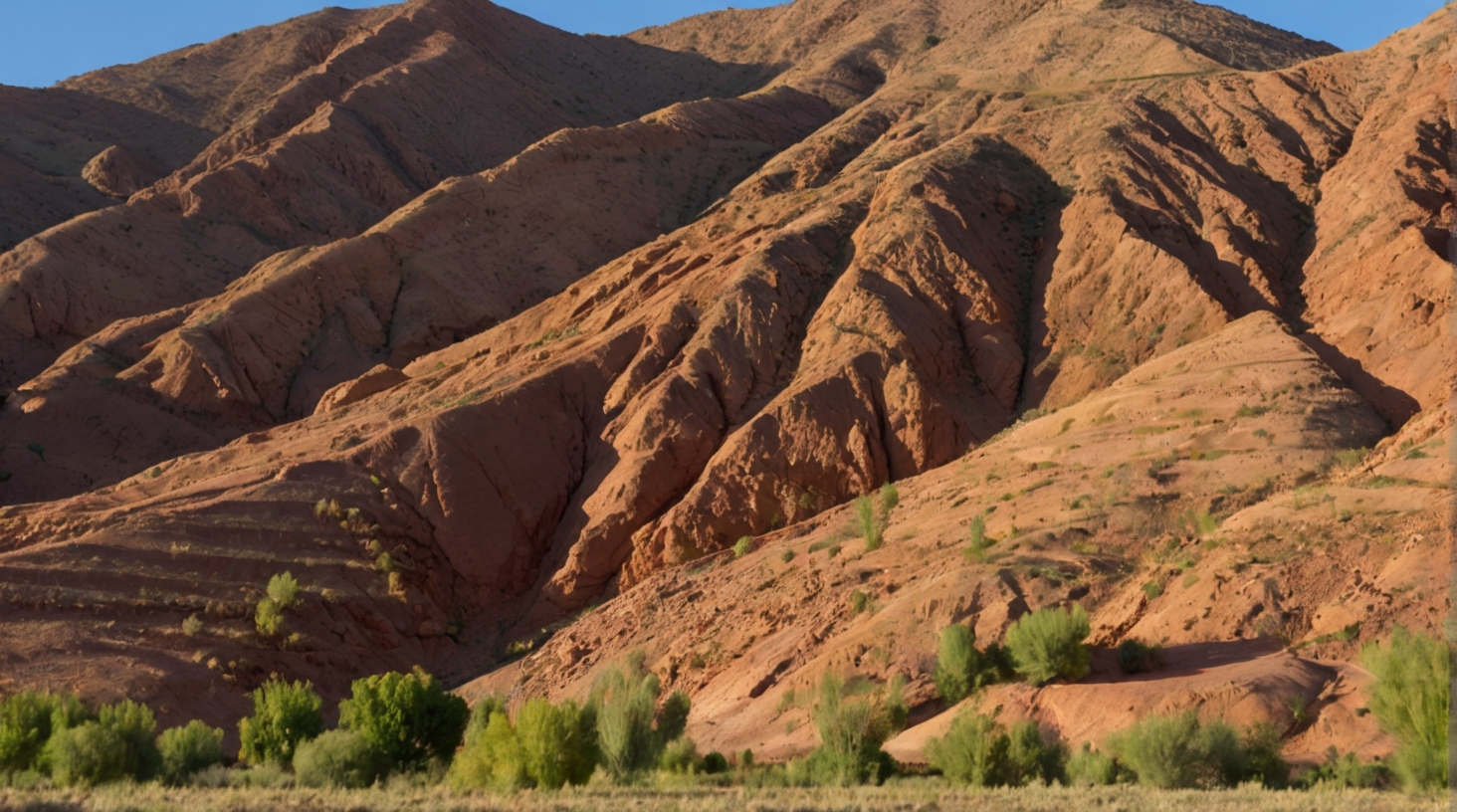
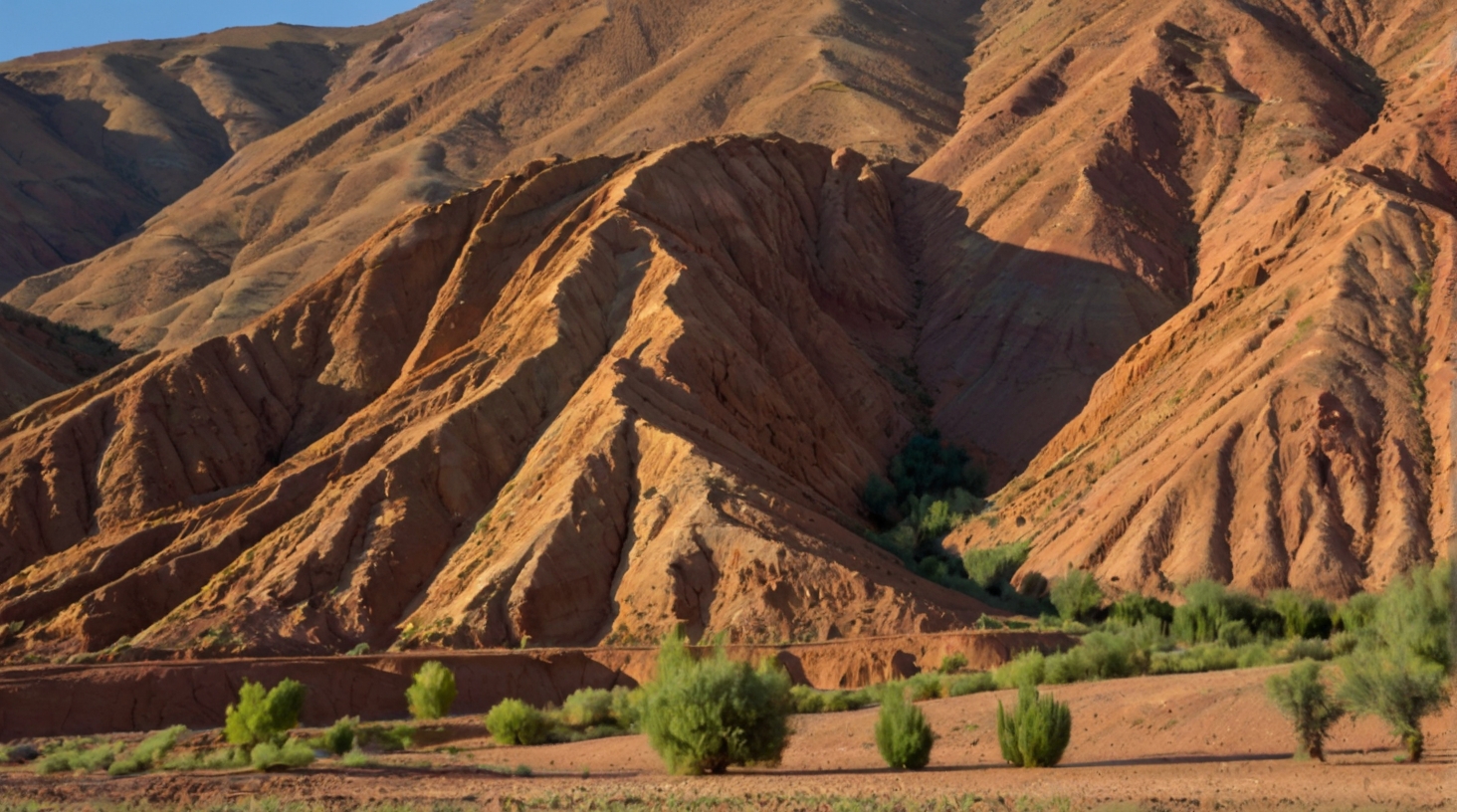
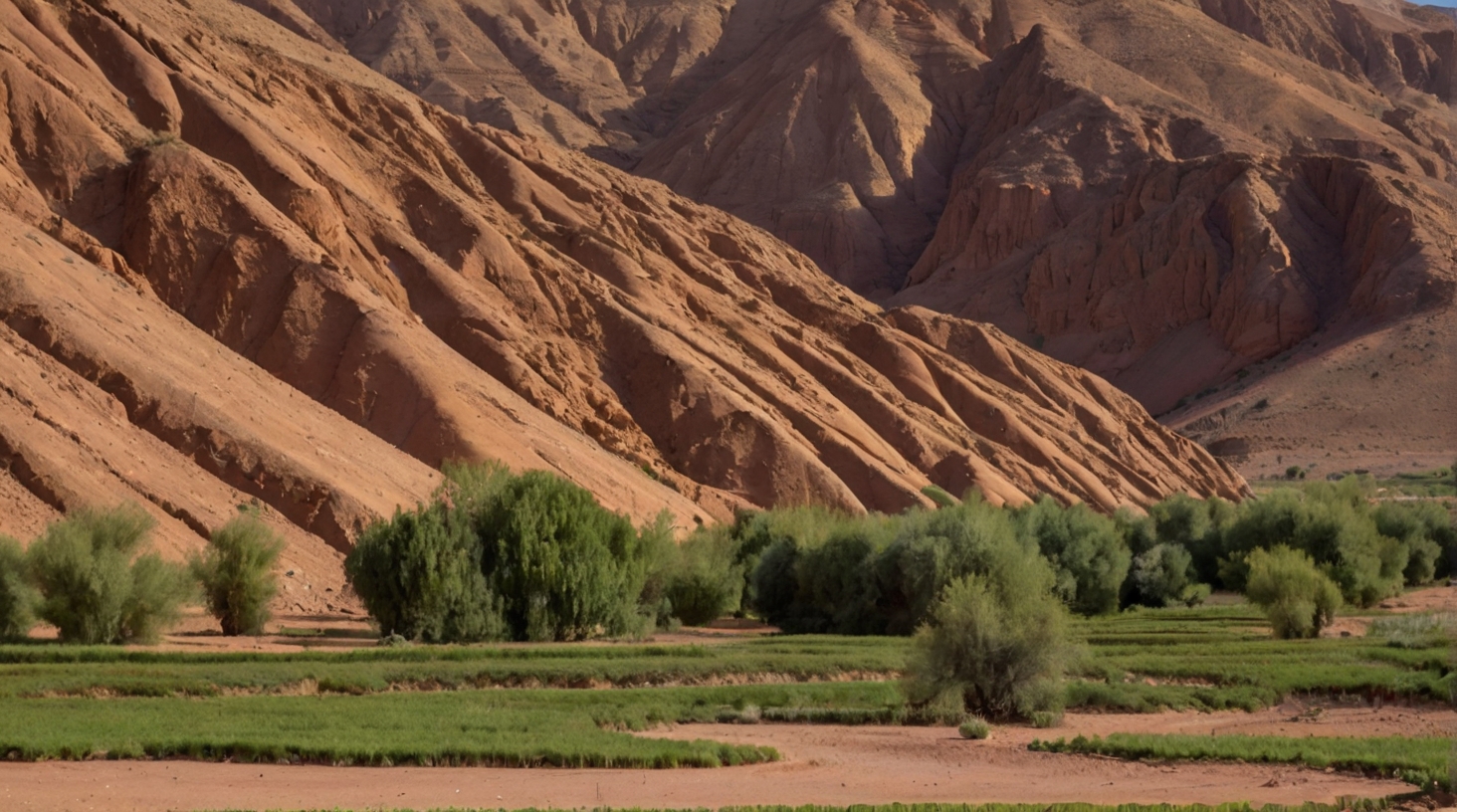
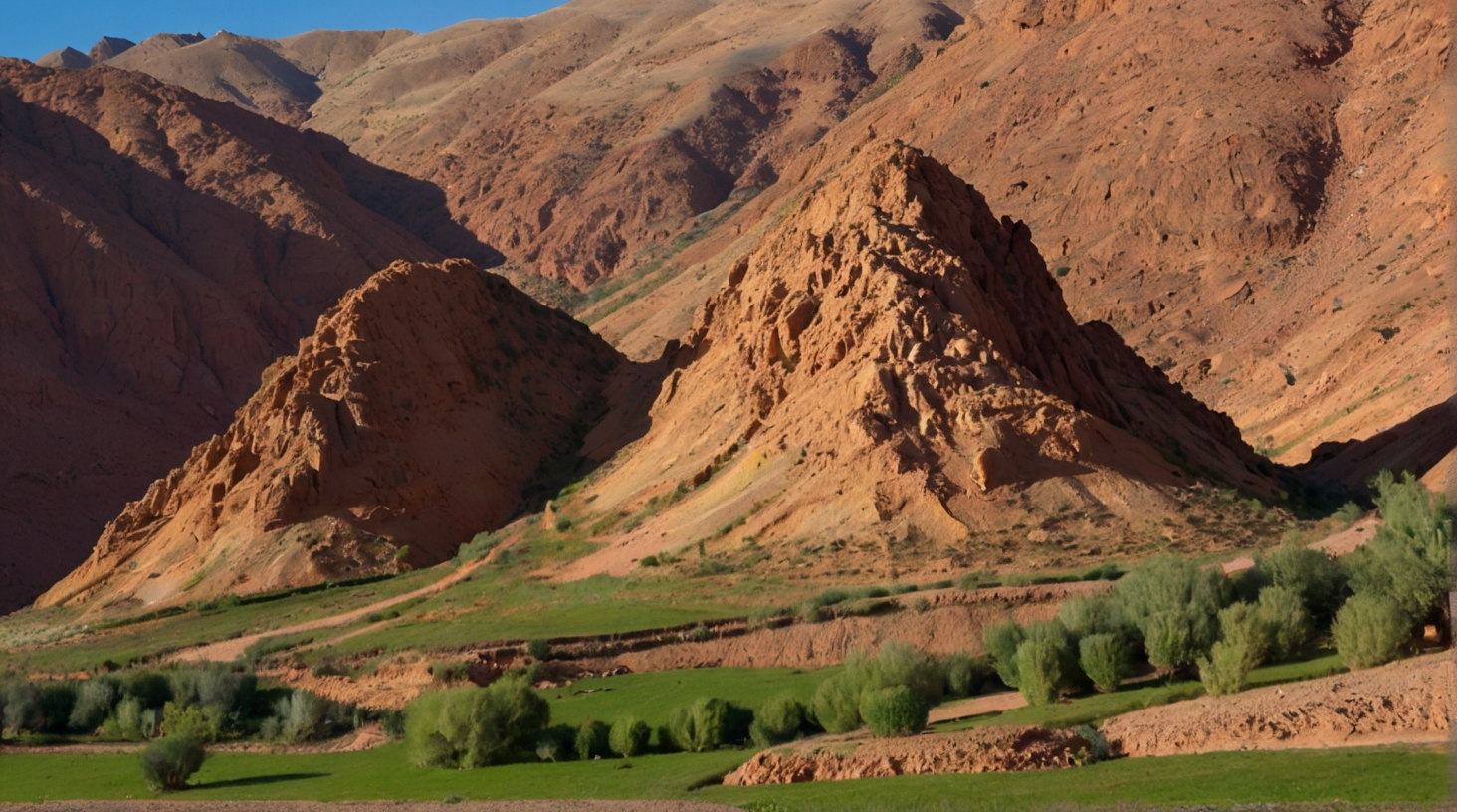
The Dades Valley, also known as the Dadès Gorges or Gorges du Dadès, is located in the Atlas Mountains of Morocco. Geologically, the area is characterized by sedimentary rock formations, primarily limestone and sandstone.
These rock layers have been formed over millions of years through various geological processes such as sedimentation, compaction, and uplift. The landscape of the Dades Valley showcases impressive rock formations, cliffs, and gorges carved out by the Dadès River over time.
The sedimentary rock layers found in the Dades Valley often display distinct strata, revealing the geological history of the region. Fossils are sometimes found within these layers, offering insights into the ancient environments and life forms that once inhabited the area.
Overall, the geography of the Dades Valley is shaped by the interplay of geological forces, erosion by water, wind, and the unique tectonic activity of the Atlas Mountains, resulting in a visually stunning and geologically significant landscape.
Geological Features
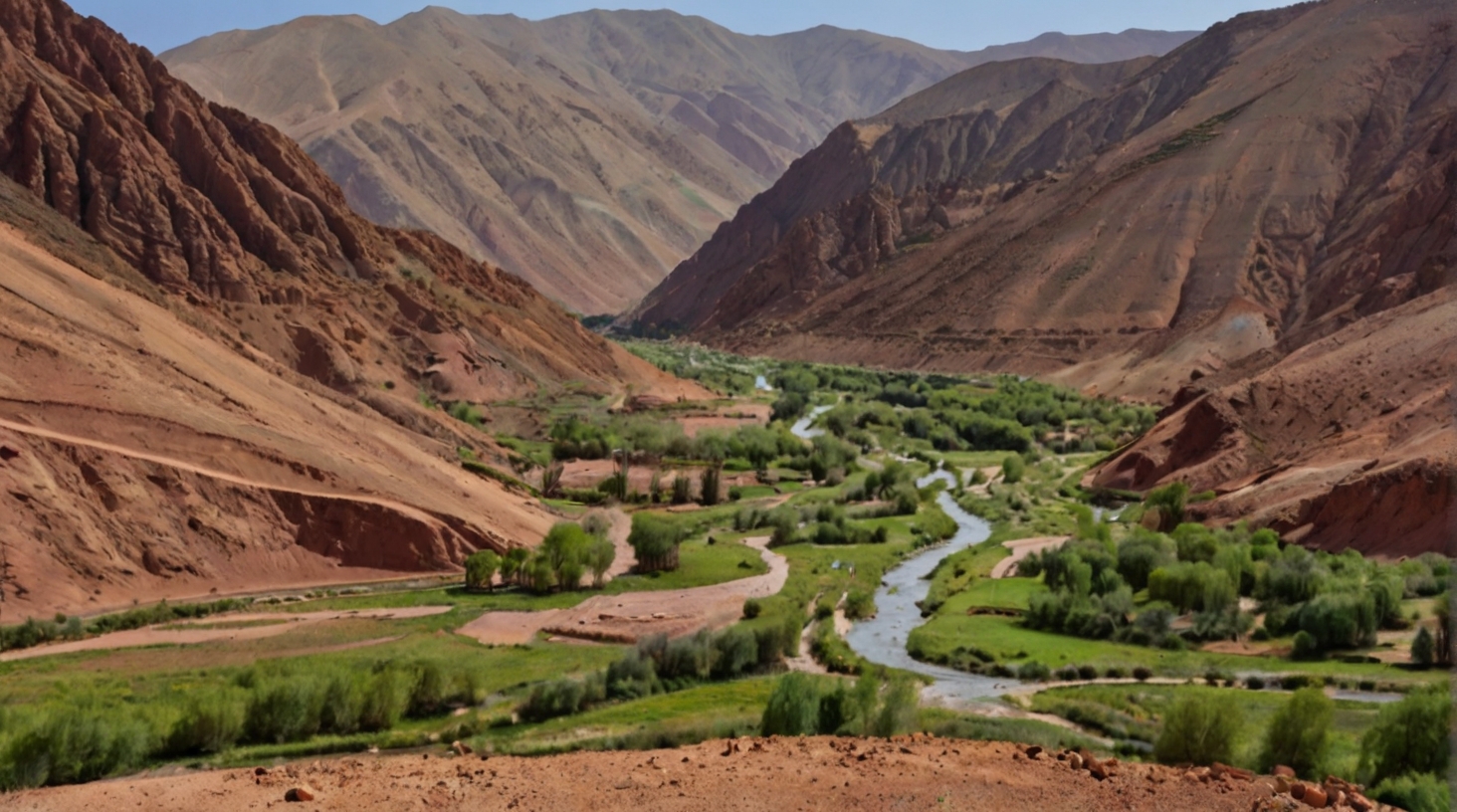
The Dades Valley, also known as the Dadès Gorges or Dades Gorge, is located in the High Atlas Mountains of Morocco. This region is characterized by dramatic geological features shaped by the forces of erosion and tectonic activity over millions of years. Here are some key geological features of the Dades Valley:
1. **Gorges and Canyons**: The Dades Valley is renowned for its stunning gorges and canyons, carved out by the Dades River over millennia. These gorges feature towering cliffs of limestone and sandstone, with narrow passages and steep drops creating breathtaking landscapes.
2. **Rock Formations**: The geology of the Dades Valley includes a variety of rock formations, including sedimentary rocks such as limestone, sandstone, and shale. These rocks display intricate patterns and colors, ranging from vibrant reds and oranges to subtle earth tones.
3. **Fault Lines**: The High Atlas Mountains, including the Dades Valley, are part of a tectonically active region where the African and Eurasian tectonic plates converge. As a result, the area is marked by fault lines and geological folds, which have contributed to the formation of the rugged terrain seen in the valley.
4. **Erosional Features**: Erosion has played a significant role in shaping the landscape of the Dades Valley. The action of water, wind, and ice over millions of years has sculpted the cliffs and rock formations, creating intricate shapes and patterns in the landscape.
5. **Geological Diversity**: The Dades Valley is home to a diverse range of geological features, including natural arches, caves, and rock pinnacles. These formations provide habitats for diverse flora and fauna and attract visitors from around the world to admire their natural beauty.
Overall, the geological features of the Dades Valley make it a unique and captivating destination for geologists, nature enthusiasts, and travelers seeking to explore Morocco’s natural wonders.