
Lahsen
A passionate explorer weaving tales of the majestic landscapes and cultural treasures nestled within the rugged beauty of Morocco's Dades Gorges.
Geological Formation
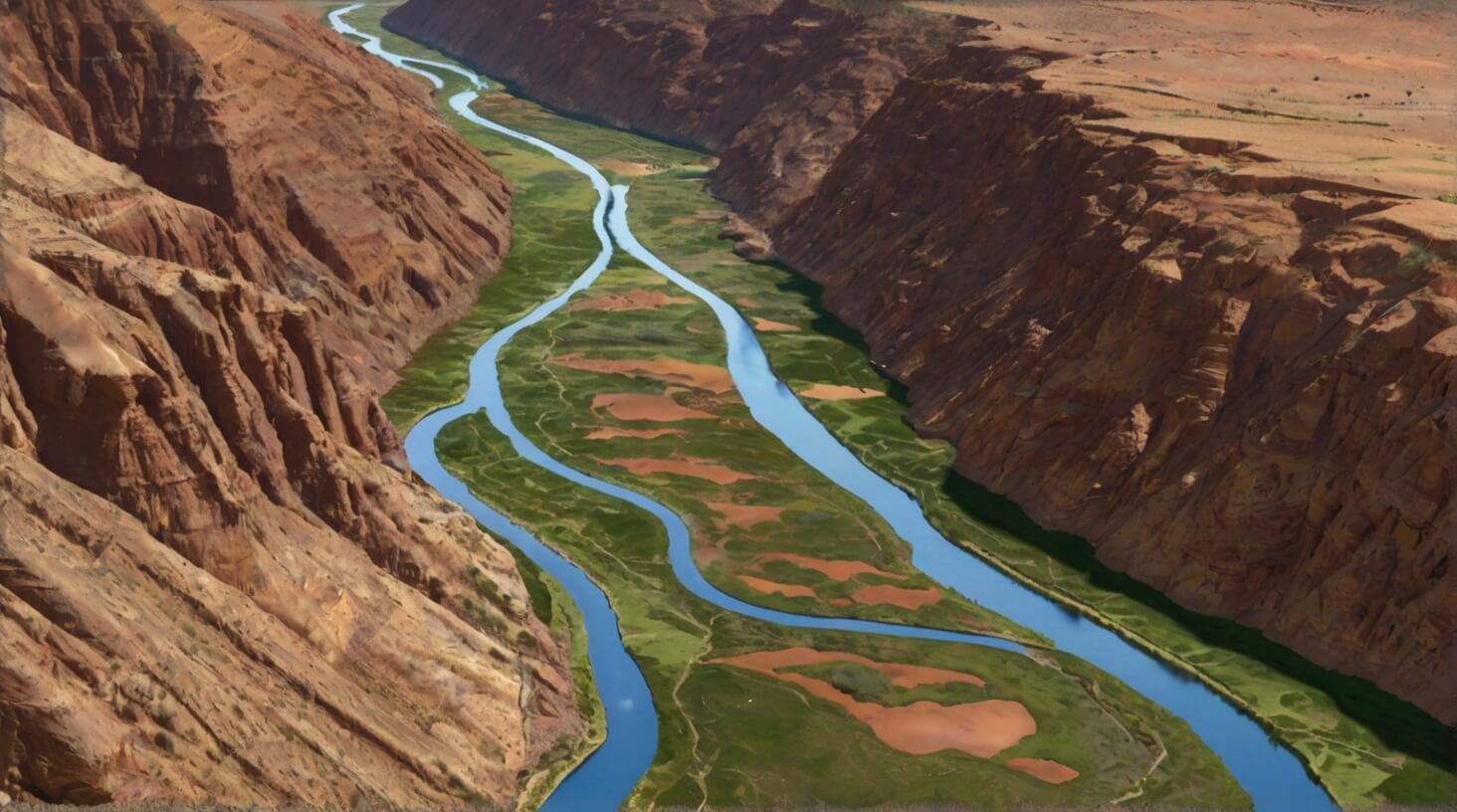
Did you know that the geological formations of Dades Gorges date back over 400 million years? This stunning Moroccan canyon holds not just natural beauty, but a rich tapestry of human history as well. From the early Berber settlements that found solace and strategy in its walls, to its silent witness of the bustling Silk Road trade, Dades Gorges offers a unique glimpse into the past. The architectural marvels and historical conflicts etched into its landscape tell tales of cultural fusion and resilience. But what secrets do its ancient paths still hold? You’ll find the layers of its history as captivating as the gorges themselves.
The geological formation of Dades Gorges unfolds over millions of years, shaped by the relentless forces of water and wind eroding the limestone and dolomite rocks. You’re witnessing a natural masterpiece, a testament to the power of natural processes that sculpt the earth. The intricacies of this landscape are not just a feast for the eyes but a narrative written in stone, detailing the earth’s ancient past.
Diving into the details, the rock layers of Dades Gorges reveal a chronological story of sedimentation that occurred under vast seas, followed by the uplifting forces that raised these sediments into towering cliffs. These layers, each distinct in composition and age, are like pages in a book, each telling a part of the gorges’ long history. The erosion patterns, notably the work of water, have carved deep valleys and sculpted the jagged peaks that define the gorges today. Water’s erosive power, combined with wind, has meticulously shaped the landscape over eons, creating the breathtaking vistas you see.
Analyzing these patterns offers insights into climatic changes, geological processes, and the dynamic nature of earth’s surface. It’s a reflection of the freedom inherent in nature’s processes, unconstrained by human timelines and expectations. The gorges stand as a monument to the earth’s resilience and its ability to create through destruction, a cycle of renewal that’s both relentless and exquisite.
Understanding the geological formation of Dades Gorges isn’t just about appreciating its beauty. It’s about recognizing the timeless dance between the earth’s foundational elements, a dance that has been ongoing for millions of years and continues to shape the world today.
Early Berber Settlements
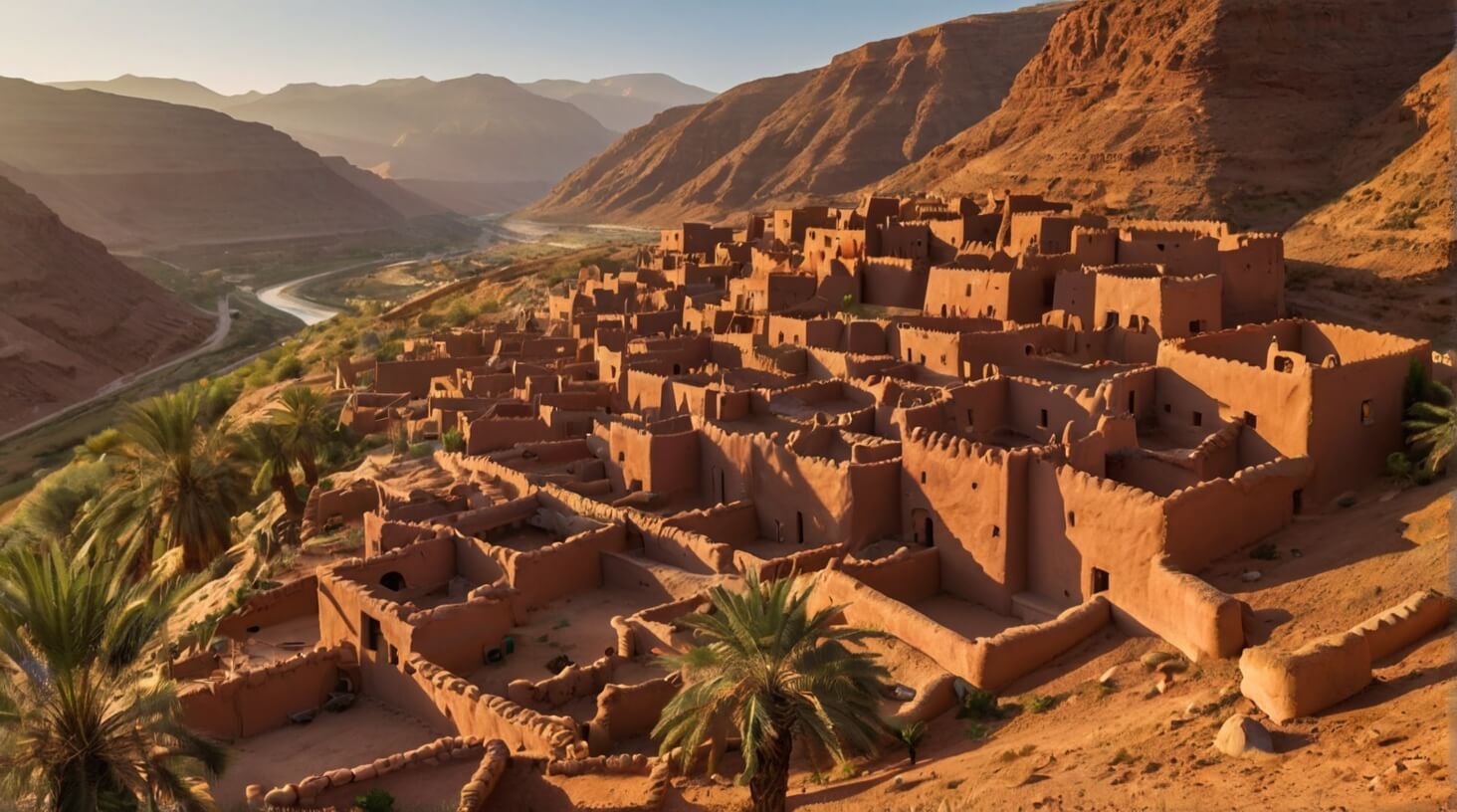
Delving into the early Berber settlements, it’s crucial to understand that these communities, deeply rooted in the rugged terrain of Dades Gorges, have been intricately woven into the fabric of this ancient landscape for millennia. The Berbers, or Amazigh as they identify themselves, have not only adapted to the challenging environment but have also thrived, developing sophisticated agricultural techniques that stand as a testament to their ingenuity and resilience.
The adaptation strategies of the Berbers to the arid climate of the Dades Gorges are particularly noteworthy. They developed an advanced irrigation system, known as ‘khettara’, which efficiently managed scarce water resources to support agriculture. This innovation allowed them to cultivate the land effectively, growing crops such as barley, olives, and almonds, which became staples of their diet. The agricultural techniques they employed were a blend of practicality and respect for the land, embodying a harmonious relationship with their environment.
Moreover, Berber rituals and cultural practices are deeply entwined with their agricultural lifestyle. Seasonal festivals, often centered around harvests, reflect a profound connection with the earth and its cycles. These rituals are not merely ceremonial; they reinforce community bonds and the transmission of traditional knowledge across generations.
The early Berber settlements in Dades Gorges are a remarkable example of human resilience and adaptation. Their enduring legacy, manifested through agricultural techniques and rituals, provides valuable insights into the symbiotic relationship between humans and their environment. As stewards of their land, the Berbers have preserved a way of life that continues to fascinate and inspire.
Silk Road Influence

While exploring the ancient Berber settlements’ adaptability and cultural depth, it’s crucial to consider how the Silk Road’s tendrils extended even into the secluded enclaves of Dades Gorges, reshaping economic and cultural landscapes. The Silk Road, a network of trade routes connecting the East and West, facilitated not only the exchange of goods but also ideas, technologies, and cultural practices. Dades Gorges, with its strategic location, became an incidental yet pivotal waypoint for traders and travelers. This interaction brought about a significant cultural exchange that enriched the local Berber communities.
| Aspect | Influence on Dades Gorges | Examples |
| Economic Impact | Diversification of local economy | Introduction of new trade goods such as silk and spices |
| Cultural Exchange | Integration of foreign customs | Adoption of Asian and Middle Eastern cooking techniques |
| Technological Transfer | Improvement in local crafts | Use of advanced weaving techniques |
The economic impact was immediate, as the introduction of new, exotic goods like silk, spices, and precious metals into the local market diversified the traditional agrarian economy. This not only increased the wealth of local traders but also introduced the Berbers to a plethora of foreign goods, fostering a cosmopolitan atmosphere within these mountain recesses.
Cultural exchange was equally profound. Through interactions on these trade routes, the Berbers of Dades Gorges absorbed elements from distant cultures, including culinary practices, languages, and artistic expressions. This exchange was a two-way street, with Berber culture also spreading outward along the Silk Road.
Technological transfer, particularly in the realms of agriculture and craftsmanship, saw the introduction of new tools and techniques. This not only improved local production efficiencies but also elevated the artistic and cultural expressions within the community.
Architectural Marvels
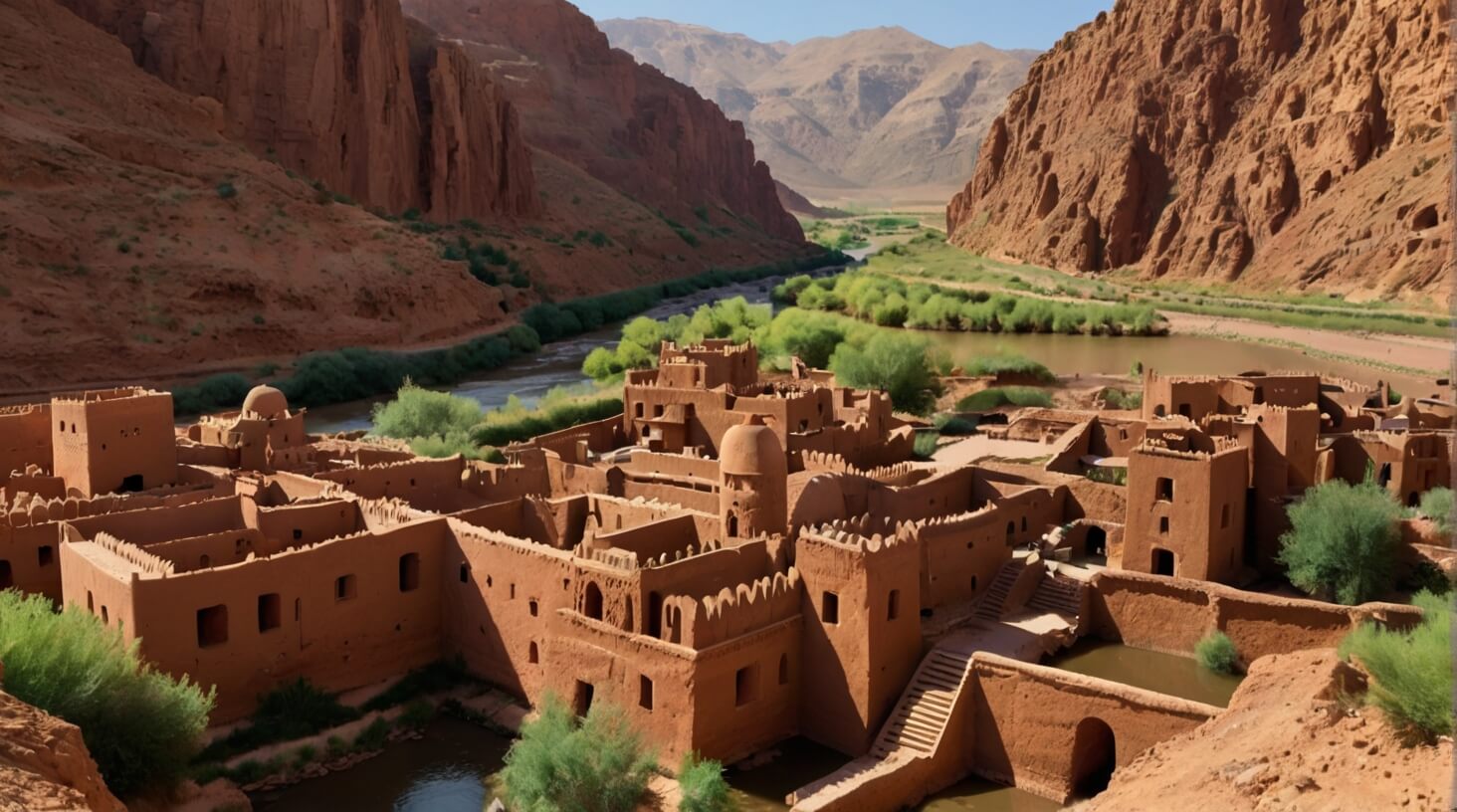
Amidst the rugged landscapes of Dades Gorges, you’ll discover architectural marvels that serve as a testament to the ingenuity and resilience of the ancient Berber people. The kasbahs and ksars, traditional earthen homes fortified for protection, showcase a deep understanding of construction techniques adapted to the harsh desert environment. These structures, built from locally-sourced materials such as mud bricks and palm wood, not only blend seamlessly into the natural landscape but also offer natural insulation against the extreme temperatures prevalent in the region.
The design of these architectural feats is not merely functional but also embodies the cultural richness and social dynamics of the Berber communities. The compactness of ksars, often perched on strategic high ground, speaks volumes about the communal lifestyle and the need for security that characterized ancient Berber society. Meanwhile, the intricate decorative motifs found in some kasbahs reflect a profound appreciation for beauty and craftsmanship, highlighting a sophisticated culture that thrived in an unforgiving landscape.
Nevertheless, these architectural marvels face significant preservation challenges today. The very materials that once ensured their sustainability now contribute to their vulnerability. Mud bricks, while ideal for insulation, require regular maintenance to withstand the erosive forces of wind and rain. The preservation of these structures is further complicated by the modernization push, which often overlooks the value of traditional construction techniques in favor of more contemporary, less sustainable building methods.
Historical Conflicts
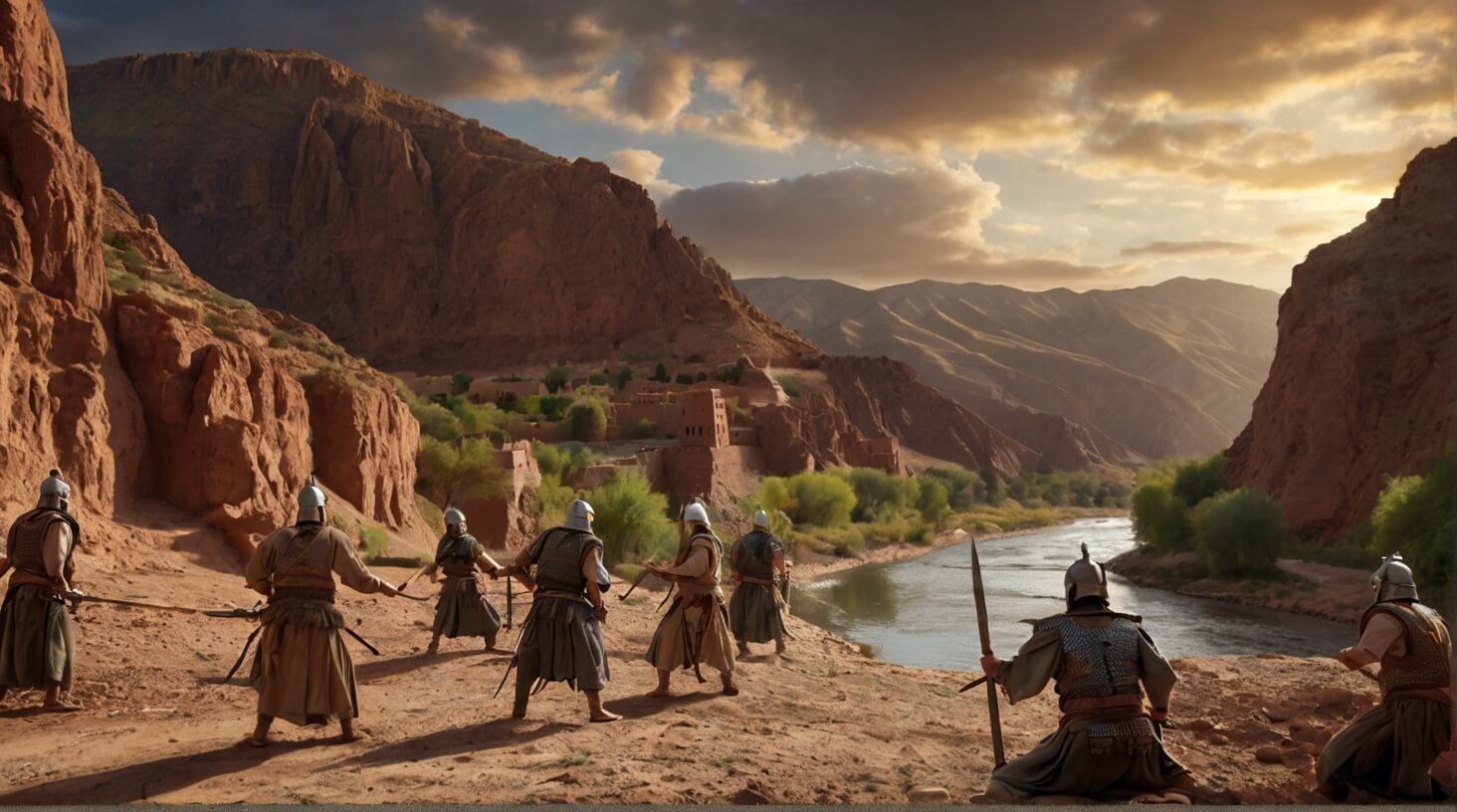
The historical narrative of Dades Gorges is also marked by periods of conflict, which played a pivotal role in shaping the region’s sociopolitical landscape and its architectural heritage. You’ll find that the area’s strategic location attracted various powers, keen on controlling its routes and resources.
| Era | Conflict |
| Roman Invasions | Romans sought to extend their North African territories into Dades Gorges, facing resistance from indigenous Berber tribes. |
| Almoravid Expansion | The Almoravid dynasty pushed into the region, incorporating it into their expanding Islamic empire and introducing new architectural styles and irrigation techniques. |
| Berber Revolts | Local Berber tribes periodically rebelled against foreign and centralized powers, striving to maintain their autonomy and cultural practices. |
| French Colonization | The French encountered stiff resistance in Dades Gorges during their attempt to establish control over Morocco, leading to significant military engagements. |
| Independence Struggle | The struggle for Moroccan independence saw Dades Gorges as a site of guerrilla warfare against colonial forces, epitomizing the quest for freedom. |
Analyzing these conflicts, you’ll notice a pattern of external imposition met with resilient local resistance. The Roman invasions introduced the region to the broader Mediterranean geopolitical dynamics, yet the local tribes’ resistance ensured their cultural continuance. Similarly, the Almoravid expansion, while integrating Dades Gorges into the Islamic world, sparked a synthesis of architectural and agricultural innovations with indigenous practices. Each conflict, while bringing turmoil, also catalyzed change, influencing the region’s architectural evolution and fortifying its inhabitants’ desire for sovereignty. This historical backdrop of conflict underscores the region’s longstanding struggle for autonomy, shaping a legacy of resilience and architectural ingenuity.
Cultural Fusion
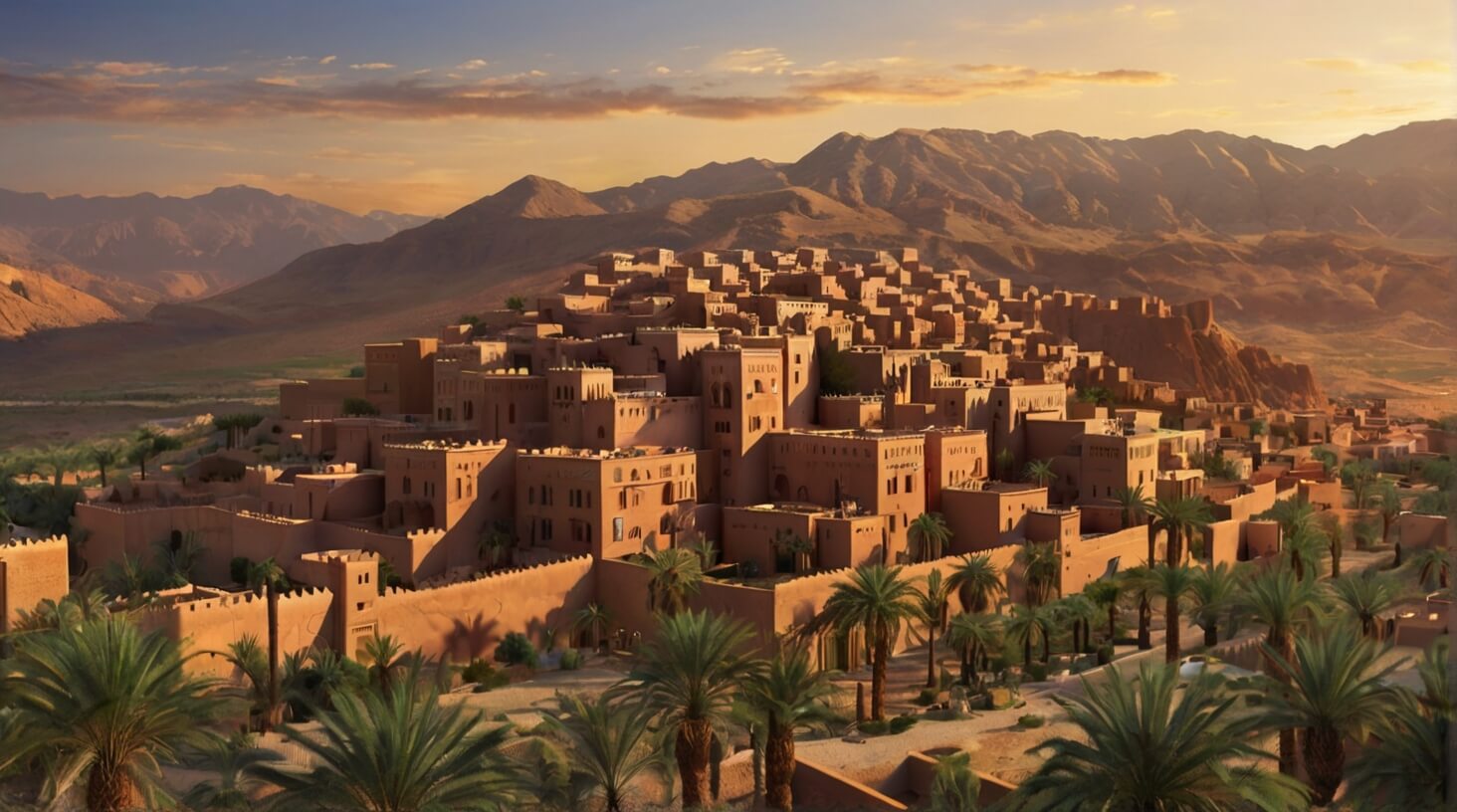
Dades Gorges has witnessed a remarkable synthesis of cultures, as historical conflicts have paved the way for an intricate tapestry of architectural and agricultural practices unique to the region. This melding of influences has not only shaped the physical landscape but also the very essence of local identity, manifesting in a diverse culinary evolution and a fusion of art styles that celebrate the region’s rich heritage.
When you delve deeper into the cultural fusion of Dades Gorges, several key elements stand out:
- Architectural Wonders: The architecture in Dades Gorges is a testament to the confluence of indigenous Berber craftsmanship with Islamic and colonial influences. The Kasbahs and Ksours, with their ornate decorations and strategic designs, reflect a blend of functionality and aesthetic appeal born from centuries of cultural intermingling.
- Agricultural Innovations: The agricultural practices in the Gorges are a direct result of adapting to the harsh landscape while incorporating techniques from various cultures. This includes the sophisticated irrigation systems known as ‘khettaras’ and terraced farming, which underscore a legacy of ingenuity and cooperation.
- Culinary Evolution: The region’s cuisine is a palate-pleasing testament to cultural fusion, incorporating spices and methods from Arabic, African, and Mediterranean traditions. This has given rise to a unique culinary identity that’s both diverse and distinctly local.
- Artistic Expressions: Art styles in Dades Gorges blend Amazigh symbols with Arabic calligraphy and Saharan motifs, creating a visual narrative that encapsulates the region’s history of cultural exchanges.
Analyzing these elements, it’s clear that the cultural fusion within Dades Gorges isn’t merely a byproduct of historical conflicts but a deliberate and cherished cultivation of diversity that resonates with those who value freedom and uniqueness in cultural expression.
Modern Rediscovery

Exploring the cultural fusion of Dades Gorges reveals its profound impact, yet it’s the region’s modern rediscovery that highlights its enduring allure and significance in contemporary times. The modern exploration of Dades Gorges has been a testament to human curiosity and the desire for freedom, embodying both the challenges and rewards of uncovering the past within a present context.
| Aspect | Description |
| Exploration Challenges | Navigating the rugged terrain and preserving delicate ecosystems while accommodating researchers and tourists. |
| Technological Advances | Utilization of satellite imagery and drones for mapping and understanding inaccessible areas. |
| Tourism Impact | Boosting local economies while ensuring the sustainability of natural resources and cultural heritage. |
| Conservation Efforts | Implementing strategies to protect the area’s biodiversity and historical sites from the adverse effects of climate change and human activity. |
| Academic Contributions | Enriching our understanding of ancient civilizations and their interactions with the environment through interdisciplinary research. |
These efforts underscore the intricate balance between discovering and preserving Dades Gorges. The challenges of exploration, from logistical difficulties to the need for sensitive integration of modern technology, mirror the broader struggle for freedom in the face of nature’s imposing limits. Similarly, the impact of tourism speaks to a universal quest for connection and understanding, driving both economic growth and the imperative to safeguard the gorge’s timeless beauty for future generations.
In essence, the modern rediscovery of Dades Gorges encapsulates a dynamic interplay of exploration, conservation, and cultural appreciation, offering insights into the enduring human spirit’s quest for knowledge and freedom.